Fencing can be easily damaged by persistent stress, exposure to weather, and repeated impacts over time. Consequently, you may observe curved boards, rust spots, or loose fittings, which undermine overall performance.
In addition, these problems not only minimize security but also add to the maintenance workload in the long term. As a result, a high frequency of repair might interfere with the usage and increase the costs in the long run.
However, the structural and material decisions determine the durability and reliability of wire fences. Performance can be more predictable when you pay attention to the wire thickness, quality of the coating, and the design of the panels.
Moreover, a well-integrated system minimizes vulnerable spots and enhances stability. Therefore, with the right combination of features, fencing can maintain strength and function for years.
This article describes the key factors that contribute to the durability and reliability of wire fencing.
1. Heavy Duty Wire Configuration
Wire configuration has a direct effect on structural strength when it comes to the evaluation of wire fencing. Particularly, heavier wires are more resistant to pressure, impact, and daily wear. Such resistance is significant in those places where fencing is exposed to frequent physical contact.
Additionally, there are several high-performance systems where two horizontal wires support one vertical wire. Due to such a setup, the force is spread evenly instead of being concentrated in one location. The panel, therefore, keeps its shape despite an increase in pressure.
Moreover, heavy-gauge wires are more resistant to damage and tampering. Thus, this increased strength adds durability and security.
In the long run, this design minimizes the chances of deformation, ensuring the fence looks and works in a similar manner.
2. Advanced Coating Protection Layers
The quality of coating defines the degree of environmental resistance of fencing. When not properly coated, steel surfaces may easily corrode in the presence of moisture and air. Consequently, such corrosion undermines the structure and reduces its lifespan.
In order to solve this problem, a multi-layer coating system enhances the long-term protection. To begin with, galvanization provides a protective layer of zinc on the surface of the steel. Then, the bonding between the metal and the outer coating is reinforced with an adhesion layer. Finally, a coating layer of powder gives additional protection against environmental exposure.
Due to this multi-layered design, the surface is not damaged even during extreme weather conditions. Moreover, the coating does not chip and peel over time.
Consequently, this protection reduces maintenance needs and helps preserve both strength and appearance.
3. High Panel Rigidity and Structural Stability
Rigidity of the panel is one of the factors that keep the fence structure intact over time. Lack of stiffness in panels can make them bend under pressure or move because of frequent physical stress. Consequently, the deformation and misalignment of the panels undermine the overall system.
However, reinforced panel designs enhance stability throughout the fence line. In particular, the double-wire construction enhances horizontal stiffening, which minimizes bending. Consequently, the panel remains straight and in proper position with supporting posts.
Moreover, rigid panels are more resistant to external forces like wind and impact. Due to this ability, the load on connection points can be considerably minimized.
Consequently, the fence maintains its structural integrity even under challenging conditions.
4. Secure Mesh Design and Anti-Climb Features
Mesh design affects both strength and security. If spacing is too wide, the structure may lose rigidity and become easier to manipulate. On the other hand, controlled spacing improves resistance and creates a more secure barrier.
For instance, a well-balanced mesh design reduces footholds, which makes climbing more difficult. At the same time, thicker wires increase resistance against cutting attempts. Therefore, this combination ensures that the fence performs as both a boundary and a protective structure.
Furthermore, consistent panel spacing improves load distribution. Because of this consistency, weak spots that could fail under pressure are minimized. As a result, the fence delivers reliable performance without requiring additional reinforcement.
5. Integrated Post and Bracket System
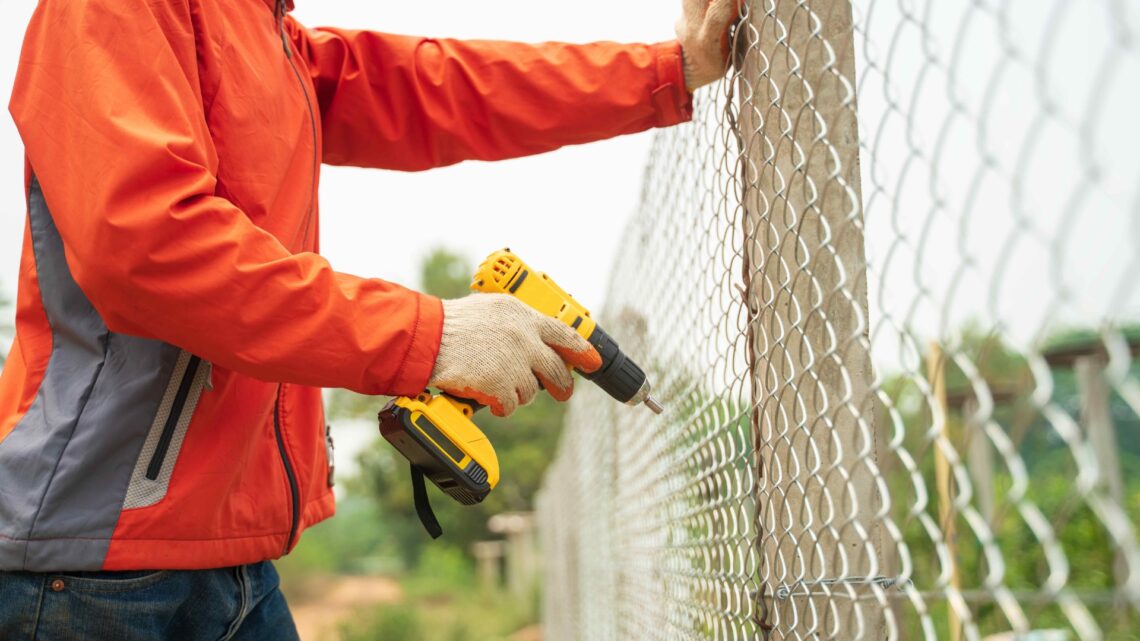
Strong panels alone cannot ensure durability without proper support. In fact, the connection between panels and posts plays a critical role in maintaining stability. If these connections are weak, the entire system can shift or loosen over time.
To prevent this issue, an integrated post-and-bracket system improves overall strength by securely fastening panels in place. Specifically, brackets hold the panels against the posts, reducing movement at the connection points. As a result, this stability prevents misalignment and uneven stress distribution.
In addition, proper fastening methods ensure that each component functions as part of a cohesive system. Therefore, this coordination minimizes gaps and weak areas.
Over time, the fence maintains its structure even under continuous use and environmental pressure.
6. Proper Dimensions and Installation Flexibility
Dimensions influence how effectively fencing fits different environments. Standard panel widths ensure consistent coverage, while multiple height options support varying security needs. As a result, planning becomes more structured, and installation remains uniform across the area.
Moreover, accurate sizing reduces the need for on-site adjustments, which improves alignment and load distribution. This precision helps maintain structural balance over time. In addition, installation flexibility enhances both safety and usability.
Furthermore, panels can be positioned with the tines facing upward or downward, depending on specific requirements. Therefore, this adaptability allows the fencing system to meet functional needs without affecting strength or long-term performance.
Bottomline
Durability and reliability in wire fencing depend on multiple factors working together. A strong wire configuration improves resistance, while an advanced coating protects against environmental damage. At the same time, rigid panels and secure mesh design enhance stability and safety.
In addition, a well-integrated support system ensures consistent alignment and reduces structural stress. Proper dimensions and installation flexibility further support long-term performance.
Therefore, when these elements are combined effectively, the fencing system maintains strength and reduces maintenance requirements. By focusing on these factors, you can ensure consistent and dependable performance over time.