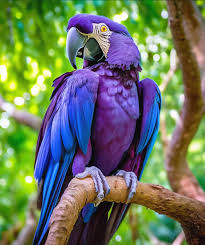
Interest in a purple macaw for sale has grown rapidly among exotic bird enthusiasts and collectors. Macaws are already admired for their intelligence, striking appearance, and strong personalities, and the idea of a purple-colored macaw makes them even more intriguing. However, before considering the purchase of such a rare bird, it is important to understand what a purple macaw truly is, whether it exists naturally, legal and ethical considerations, care requirements, and how to ensure responsible ownership.
This article provides a complete guide to help potential buyers make informed and ethical decisions.
Is There Really a Purple Macaw?
One of the most important things to clarify is that there is no naturally occurring macaw species that is fully purple. When people refer to a “purple macaw,” they are usually describing one of the following:
- A rare color mutation in certain macaw species
- A macaw with violet or purplish tones under specific lighting
- A crossbreed or hybrid macaw with unusual coloration
- Digitally enhanced or misleading images used in advertisements
Some macaws, such as certain blue or red species, may display purplish hues in their feathers depending on genetics and light reflection. However, buyers should be cautious of sellers claiming to offer a completely purple macaw, as this can be misleading.
Why Purple Macaws Are So Desirable
Macaws are among the most visually impressive parrots in the world. Their large size, long tails, expressive eyes, and vibrant plumage make them highly sought after. The idea of a purple macaw adds an element of exclusivity and rarity, which attracts collectors and experienced bird owners.
People interested in a purple macaw for sale are often drawn to:
- Unique and rare coloration
- High intelligence and trainability
- Strong bonding with owners
- Social and affectionate personalities
However, rarity alone should never be the only reason to purchase an exotic bird.
Legal and Ethical Considerations
Before purchasing any macaw, especially one advertised as rare or unusual, it is essential to understand the legal and ethical implications.
Wildlife Protection Laws
Most macaw species are protected under international wildlife regulations. Many fall under CITES (Convention on International Trade in Endangered Species), meaning their sale and transport are strictly regulated. Buyers must ensure that the bird:
- Was bred in captivity
- Comes with legal documentation
- Is not taken from the wild
Buying illegally traded birds contributes to habitat destruction and species decline.
Ethical Breeding
Responsible breeders prioritize the health, genetics, and well-being of their birds. Avoid sellers who cannot provide:
- Breeding history
- Veterinary records
- Proof of legal ownership
If a seller claims to have a purple macaw for sale but cannot explain the genetics or provide documentation, it is a major red flag.
Personality and Behavior of Macaws
Macaws are known for their intelligence and emotional depth. They are not passive pets and require daily interaction and stimulation.
Common traits include:
- High intelligence and problem-solving skills
- Strong emotional bonding with owners
- Loud vocalizations
- Playful and curious behavior
Macaws can live 50 years or more, making them a lifelong commitment rather than a short-term pet.
Care Requirements for a Macaw
Whether a macaw has rare coloration or not, its care requirements remain the same and are demanding.
Housing
Macaws need a large, sturdy cage with space to stretch their wings. Daily out-of-cage time is essential for mental and physical health.
Diet
A balanced diet includes:
- High-quality pellets
- Fresh fruits and vegetables
- Nuts and seeds in moderation
Improper nutrition can lead to serious health problems.
Social Interaction
Macaws are highly social birds. Without regular interaction, they can develop behavioral issues such as feather plucking or aggression.
Mental Stimulation
Toys, puzzles, and training sessions help keep macaws mentally engaged and emotionally healthy.
Health and Veterinary Care
Macaws require specialized avian veterinary care. Regular check-ups are crucial for detecting early signs of illness.
Common health concerns include:
- Respiratory infections
- Nutritional deficiencies
- Beak and feather disorders
When considering a purple macaw for sale, always ask for recent veterinary health records.
Cost of Owning a Rare Macaw
The price of a macaw marketed as “purple” can be extremely high due to perceived rarity. However, the purchase price is only a fraction of the total cost.
Ongoing expenses include:
- Large cage and accessories
- High-quality food
- Veterinary care
- Toys and enrichment items
Potential owners should budget for long-term care rather than focusing only on the initial price.
How to Avoid Scams When Searching for a Purple Macaw for Sale
Unfortunately, rare exotic animals are often used in online scams. Protect yourself by following these guidelines:
- Avoid sellers who only communicate through messaging apps
- Never send money without verified documentation
- Request live video of the bird
- Research the breeder or seller thoroughly
- Be skeptical of prices that seem too good to be true
A genuine breeder will welcome questions and provide transparency.
Is a Purple Macaw Right for You?
Owning a macaw—regardless of color—is a serious responsibility. These birds require time, patience, financial stability, and long-term commitment. A macaw should never be purchased solely for its appearance or rarity.
If your interest in a purple macaw for sale is driven by admiration and a willingness to provide lifelong care, it may be worth exploring reputable breeders who specialize in ethical macaw breeding. If not, consider supporting conservation efforts or visiting aviaries where these birds are properly cared for.
Conclusion
The idea of a purple macaw for sale is captivating, but it is essential to approach such offers with knowledge and caution. Truly purple macaws do not exist as a natural species, and many listings rely on exaggeration or misinformation. Responsible ownership means prioritizing legality, ethics, and the bird’s well-being above rarity or appearance.
By educating yourself, choosing reputable breeders, and committing to proper care, you can ensure that your interest in exotic birds supports conservation rather than exploitation. A macaw’s true beauty lies not just in its color, but in its intelligence, personality, and the bond it shares with its human companion.