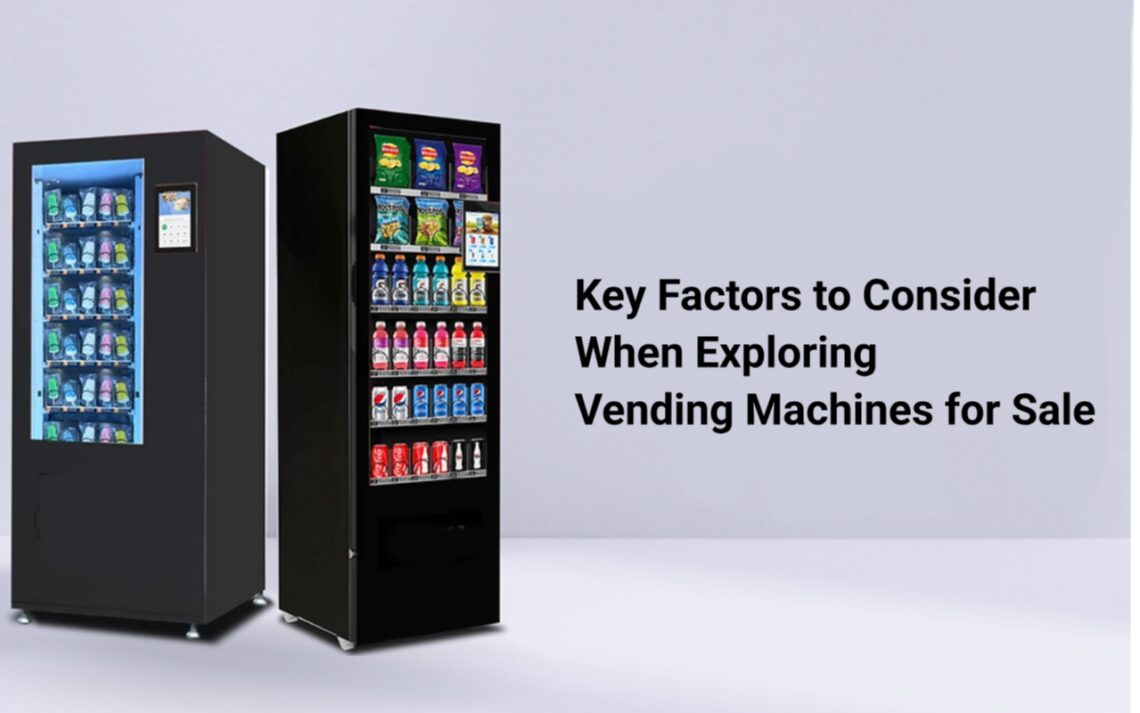
Purchasing decisions should account for product type, location requirements, payment capabilities, and long-term maintenance costs beyond initial purchase price. Vending machines for sale range from basic snack dispensers at $2,000-$3,000 to sophisticated fresh food units exceeding $15,000, with specifications varying significantly based on intended use. New machines come with manufacturer warranties (typically 1-2 years on components) and current technology including cashless payment systems and remote monitoring. Used machines cost 40-60% less but may lack modern payment options, require immediate repairs, or have outdated refrigeration systems with higher energy consumption. The total cost of ownership calculation needs to include machine price, delivery and installation, location commission fees, insurance, regular maintenance, product costs, and potential upgrade expenses over a 5-7 year operational lifespan.
Machine Types and Product Categories
Snack machines handle shelf-stable items like chips, cookies, and candy bars. These require minimal maintenance and suit most locations. Combination machines offer both snacks and cold beverages in a single unit, maximizing product variety in limited space. Cold drink machines include refrigeration units for sodas, water, and energy drinks. Fresh food machines need advanced refrigeration maintaining temperatures between 2-4°C with monitoring systems ensuring food safety compliance. Coffee vending machines represent a specialized category using bean-to-cup systems or pre-packaged pods, requiring water connections and regular cleaning. Specialized machines for items like electronics, PPE, or pharmaceutical products exist but serve niche markets. Matching machine type to location demographics and expected demand prevents overspending on unnecessary features.
Payment System Requirements
Basic coin and note acceptors still function but increasingly feel outdated to consumers. Card readers accepting EFTPOS, credit cards, and contactless payments have become standard expectations. Mobile payment integration (Apple Pay, Google Pay) particularly matters in locations with younger demographics. QR code payment systems connecting to digital wallets offer low-cost alternatives to full card reader installations. Each payment option adds to machine cost. A basic coin-operated machine might cost $2,500 while the same unit with full cashless payment capabilities runs $4,000-$5,000. However, industry data shows cashless machines generate 20-35% higher sales because consumers aren’t limited by available change.
Capacity and Service Frequency
Machine capacity directly affects service frequency and labor costs. A 30-selection snack machine in a high-traffic office building might need restocking twice weekly. A 45-selection unit reduces this to weekly visits. Larger capacity machines cost more upfront but reduce ongoing labor expenses. Calculate expected sales volume based on location foot traffic to determine appropriate size. Oversized machines in low-traffic locations tie up capital in excess inventory. Undersized machines in busy areas frustrate customers with frequent stockouts and require excessive servicing trips. Beverage machines typically hold 300-600 cans or bottles. Fresh food units have limited capacity (20-40 items) due to space needed for refrigeration systems and product packaging sizes.
Energy Consumption and Operating Costs
Refrigerated machines consume significantly more electricity than ambient temperature units. A typical cold drink machine uses 3,000-4,000 kWh annually, costing $600-$900 in electricity at Australian commercial rates. Snack machines without refrigeration use under 1,000 kWh annually ($200-$250 in energy costs). Newer machines with LED lighting and efficient compressors reduce consumption by 20-30% compared to models over 10 years old. Energy Star rated machines qualify for potential tax incentives and lower operating costs. Some locations pass electricity costs to operators through site agreements, significantly affecting profitability. Calculate energy costs when comparing machines because a cheaper used machine with old refrigeration might cost more over three years than a efficient new unit.
New Versus Used Equipment
New machines provide current technology, full warranties, and predictable service lives. Manufacturers typically support new models with parts availability and technical support for 10+ years. Used machines require careful inspection of refrigeration systems, payment mechanisms, and structural condition. A $4,000 used machine needing $1,500 in immediate repairs and lacking cashless payments might represent worse value than a $6,000 new unit. However, well-maintained used machines from reputable sellers can provide good value for operators on tight budgets or testing new locations. Request service records, test all functions including payment systems and refrigeration, and factor in upgrade costs for missing features like card readers. Inspection by a qualified technician costs $150-$300 but prevents expensive mistakes on larger purchases.