Basement finishing projects are one of the most common ways homeowners add usable space and value to a property. Whether transforming an unfinished basement into a living area, office, or rental unit, these projects involve a combination of light demolition, framing, electrical work, and finishing. While much of the focus is placed on design and construction details, waste removal is a critical piece that directly affects how smoothly the project progresses.
Basements present unique challenges compared to other renovation areas. Limited access, confined spaces, and the need to transport debris through the home all make waste handling more complex. Without a clear plan, materials can pile up quickly, slowing down crews and creating unnecessary obstacles.
For contractors, understanding what to plan for before renting a dumpster helps ensure that basement finishing projects remain efficient, organized, and on schedule.
Basement Projects Generate More Debris Than Expected
Even when a basement starts as an unfinished space, preparing it for finishing work often requires removing existing materials. Old framing, insulation, drywall remnants, flooring, and miscellaneous clutter are commonly cleared out before construction begins.
As the project progresses, additional debris is generated from cutting materials, installing systems, and unpacking supplies. Common waste includes drywall scraps, lumber offcuts, packaging, and outdated fixtures.
Because basement finishing often combines cleanup with new construction, debris accumulates steadily rather than all at once. Contractors who underestimate this volume may find themselves dealing with cluttered workspaces that slow progress.
Planning for consistent waste removal helps keep the project moving efficiently from start to finish.
Access Is the Biggest Challenge
One of the defining characteristics of basement projects is limited access. Unlike exterior demolition or open interior renovations, all debris must be transported through stairways, narrow hallways, or small entry points.
This creates a logistical challenge that affects how waste is handled throughout the project.
Contractors should evaluate:
- The primary path for removing debris
- The distance between the basement and the dumpster
- Potential obstacles such as tight turns or low ceilings
- Areas that need protection during material transport
Efficient access planning reduces the time and effort required to move debris out of the basement and into a disposal container.
Improving access routes can significantly increase productivity.
Protecting the Home During Debris Removal
Because debris must pass through finished areas of the home, protecting floors, walls, and doorways is essential. Contractors often overlook how much wear and tear repeated trips can cause during a basement project.
Using protective coverings such as floor runners or temporary barriers helps prevent damage to surfaces that are not part of the renovation.
Keeping debris removal organized also reduces the risk of accidental damage.
A well-planned removal path ensures that materials move efficiently from the basement to the dumpster without creating additional work later.
Protecting the home is an important part of maintaining professionalism and client satisfaction.
Choosing the Right Dumpster Size for Ongoing Work
Basement finishing projects typically generate a moderate but consistent volume of debris. Selecting the right container size is important to avoid disruptions.
A container that is too small may fill quickly, requiring frequent pickups that interrupt workflow. A container that is too large may take up unnecessary space in a residential setting.
Contractors should consider:
- The amount of initial cleanup required
- The expected volume of construction debris
- The duration of the project
Working with providers such as Waste Removal USA helps contractors determine the most appropriate container size based on project scope.
Choosing the right size supports efficient waste management throughout the project.
Strategic Placement Matters More in Residential Settings
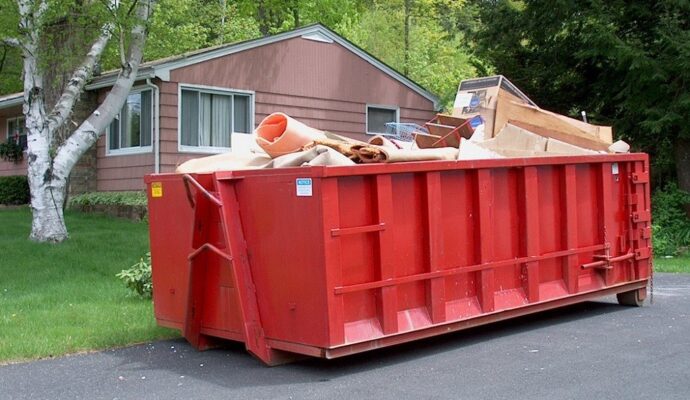
Dumpster placement in residential projects must balance convenience with accessibility. For basement projects, the container should be placed as close as possible to the primary debris exit point.
However, placement must also account for:
- Driveway space and load capacity
- Access for delivery and pickup trucks
- Avoiding interference with homeowner access
- Maintaining safe walkways for workers
Proper placement reduces the distance debris must be carried, which is especially important when transporting materials up from a basement.
Efficient placement saves time and reduces physical strain on workers.
Managing Debris in Tight Interior Spaces
Basement projects often involve confined work areas where space is limited. Allowing debris to accumulate inside the basement can quickly make the environment difficult to work in.
Contractors should remove materials regularly rather than letting them build up.
Keeping the basement clear allows crews to:
- Move tools and materials more easily
- Work more efficiently in tight spaces
- Maintain better organization
Regular removal prevents clutter from slowing down progress.
An organized workspace is essential for maintaining productivity in basement renovations.
Reducing Labor with Direct Disposal
Transporting debris from a basement already requires additional effort compared to other areas of the home. Double handling of materials can significantly increase labor time.
When debris is staged inside before removal, workers must handle it multiple times. Carrying materials directly to a dumpster eliminates this inefficiency.
Direct disposal helps:
- Reduce unnecessary labor
- Speed up cleanup tasks
- Maintain a consistent workflow
Minimizing handling is especially important in basement projects where access is limited.
Efficiency in debris removal supports overall project performance.
Coordinating Waste Removal with Project Phases
Basement finishing projects move through several phases, each generating different types of debris. Initial cleanup and framing produce larger materials, while later stages generate smaller scraps and packaging.
Coordinating waste removal with these phases helps ensure that the container remains useful throughout the project.
For example, early phases may require more frequent debris removal, while later phases produce less waste.
Aligning waste management with project stages keeps the site organized and prevents unnecessary buildup.
Consistent coordination supports smoother transitions between phases.
Monitoring Weight from Dense Materials
Basement projects may involve materials such as concrete, tile, or older construction components that add weight to disposal containers. Even if the container is not full, heavy materials can affect hauling.
Contractors should be mindful of how these materials are loaded and distribute weight evenly within the container.
Understanding weight considerations helps prevent delays and ensures that debris can be removed without complications.
Balancing volume and weight is key to effective waste management.
Maintaining Safety During the Project
Carrying debris up and out of a basement presents safety challenges. Workers must navigate stairs, tight spaces, and potentially uneven surfaces while handling materials.
Keeping pathways clear and removing debris regularly reduces the risk of accidents.
A clean and organized environment allows workers to move more safely and efficiently.
Safety is especially important in basement projects where confined spaces can increase risk.
Proper waste handling contributes to a safer jobsite.
Avoiding Last-Minute Cleanup Delays
One of the most common mistakes in basement finishing projects is leaving too much cleanup for the end. This can create a large, time-consuming task that delays project completion.
Managing waste throughout the project helps avoid this issue.
By removing debris consistently, contractors can reduce the workload during the final stages and complete the project more efficiently.
Avoiding a last-minute cleanup rush supports better scheduling and smoother project wrap-up.
Improving Overall Project Efficiency
Waste removal may not be the most visible part of a basement finishing project, but it has a direct impact on how efficiently the work is completed.
When debris is managed properly, crews can focus on construction tasks without interruption. Work areas remain clear, materials are easier to handle, and the project progresses more smoothly.
Efficient waste management also contributes to a more professional jobsite, which can improve client confidence and satisfaction.
Treating waste removal as a core part of project planning leads to better results.
Basement finishing projects require careful planning, especially when it comes to waste removal. Limited access, confined spaces, and ongoing debris generation make dumpster planning an essential part of the process.
For contractors, understanding what to consider before renting a dumpster helps ensure that debris is managed efficiently throughout the project. From choosing the right container size to coordinating placement and removal, each decision plays a role in maintaining an organized and productive jobsite.
By planning ahead and integrating waste management into the overall project strategy, contractors can complete basement finishing projects more efficiently while minimizing delays and maintaining a clean, safe work environment.
Read More: 1100 Litre Waste Bin: Smart Solutions for Commercial and Residential Use