Have you ever felt tired of screens, traffic, and the constant buzz of notifications? Many people reach that point every year and start looking for a quiet place to breathe. For thousands of Americans, that search leads to a tent, a campfire, and places like Gatlinburg near the Smoky Mountains. Camping has become more than a hobby. It is a reset button for people who want nature, space, and a slower pace of life.
A Break From a Hyperconnected World
Life today rarely slows down. Phones vibrate with work messages at night, social media feeds update every second, and even vacations often turn into photo shoots instead of real rest. Camping offers something surprisingly rare: the ability to disconnect without feeling like you are missing out.
Many people now treat camping as a digital detox. According to recent outdoor recreation reports, participation in camping has grown steadily since the pandemic, when people realized crowded indoor spaces were not always ideal. A quiet campsite replaces notifications with wind through trees and the crackle of a fire.
Ironically, escaping technology has become a trend shared widely online. Friends post pictures of tents under starry skies and suddenly the idea spreads. Yet the real value appears once the phone signal fades and the forest becomes the loudest thing around you.
The Simple Joy of Mountain Campgrounds
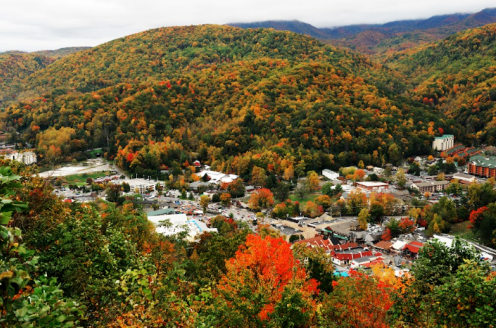
The appeal of camping grows stronger when the location itself feels timeless. In the Smoky Mountains region, many travelers discover the charm of camping in Gatlinburg TN because it offers a rare mix of mountain wilderness and easy access to town amenities.
Greenbrier Campground sits along the Little Pigeon River and gives campers a peaceful base close to the national park. Visitors can choose riverside RV sites or tent areas shaded by tall trees, while still remaining minutes from hiking trails and local attractions. The campground offers practical comforts like full hookups, clean bathhouses, and a camp store.
For nature lovers who want convenience without sacrificing scenery, spots like this solve the balance perfectly. You fall asleep to the sound of moving water instead of highway noise, yet groceries, restaurants, and trailheads remain within a short drive.
Nature Becomes the Main Entertainment
Modern entertainment usually involves screens, subscriptions, and crowded venues. Camping flips that idea completely by turning the outdoors into the activity itself. A sunrise hike, skipping stones across a river, or watching fog lift off the mountains becomes the highlight of the day.
In places like the Great Smoky Mountains National Park, wildlife sightings add to the experience. Black bears, elk, and wild turkeys move through forests that have remained largely unchanged for centuries. Visitors often bring binoculars or simple field guides to learn about local plants and animals.
Families also rediscover simple games around campgrounds. Card decks, frisbees, and storytelling around the fire replace television. Those moments feel surprisingly memorable because they require presence rather than passive watching.
A Health Boost That Feels Effortless
Spending time outdoors does more than provide fresh air. Studies from environmental health researchers show that time in nature lowers stress levels, improves sleep, and helps people focus better. Camping encourages movement naturally without the pressure of a structured workout.
Hiking trails, river walks, and setting up camp all involve physical activity that feels purposeful instead of forced. Even small tasks like collecting firewood or cooking outside keep people moving throughout the day.
Mental health benefits matter just as much. Natural scenery has a calming effect on the brain, which explains why many therapists recommend outdoor time as part of stress management. A weekend in the woods often leaves campers feeling mentally lighter and physically refreshed.
Camping Fits the New Travel Economy
Travel habits have shifted over the past few years. Many people now prefer flexible and affordable trips instead of expensive resorts or crowded tourist packages. Camping fits perfectly into this trend.
A campsite usually costs far less than a hotel room, and gear can last for years once purchased. Families can travel with coolers and simple cooking equipment rather than relying on restaurants for every meal.
The rise of remote work has also changed how people camp. Some travelers bring laptops and portable Wi-Fi hotspots, working during the day and exploring trails in the evening. It creates a lifestyle blend where productivity and outdoor adventure exist side by side.
Campfires Create Real Social Moments
Ironically, some of the best conversations happen when there is no Wi-Fi. Campfires tend to draw people together in ways that living rooms rarely do anymore.
Friends share stories while roasting marshmallows, neighbors from nearby campsites introduce themselves, and children learn to tell jokes that do not involve a screen. These social moments feel more authentic because they are not filtered through apps or notifications.
Even strangers sometimes bond quickly at campgrounds. Someone might offer extra firewood or recommend a hiking trail nearby. Small interactions like these remind people that community can form easily when distractions disappear.
Practical Tips for a Smooth Camping Trip
Successful camping starts with good preparation. Packing the right gear keeps small problems from turning into frustrating setbacks.
Begin with the essentials: a weather-resistant tent, sleeping bags suited to local temperatures, and a portable stove or grill. Bring layered clothing because mountain weather can change quickly, especially near areas like the Smoky Mountains.
Food planning also helps. Simple meals such as foil-wrapped vegetables, grilled burgers, or pre-made sandwiches keep cooking easy. A cooler with ice packs preserves ingredients and reduces trips into town.
Finally, follow basic campground etiquette. Store food securely to avoid wildlife encounters, keep noise levels low at night, and leave the site cleaner than you found it. These habits protect both nature and fellow campers.
Why the Outdoors Feels More Meaningful Now
Camping has always existed, but it feels especially relevant today. In a world shaped by digital overload, crowded cities, and fast-moving news cycles, nature provides a rare sense of balance.
The outdoors reminds people that not everything needs to move quickly. Rivers flow at their own pace, trees grow slowly, and night skies reveal stars that urban lights usually hide.
That perspective often changes how travelers see daily life after returning home. Problems that felt overwhelming in the city shrink slightly after a weekend surrounded by mountains and quiet forests.
Camping offers more than scenery. It restores attention, strengthens relationships, and reconnects people with the natural world that modern life often hides. For nature lovers seeking a true escape, a simple campsite still delivers one of the most powerful travel experiences available.