If you live in an older Tacoma home, a drain that backs up “again” is usually a sign of an underlying system issue, not bad luck. Temporary fixes like plunging or store-bought chemicals can move symptoms around, but they rarely remove the true cause. Below are the most common reasons older homes experience recurring backups, plus practical ways to diagnose and prevent them—insights often echoed by commercial plumbing experts from Spartan Plumbing Inc. when evaluating repeat drainage problems.
1. Aging Drain and Sewer Pipe Materials
Many older homes were built with pipe materials that naturally deteriorate over time:
- Cast iron can corrode from the inside, creating rough surfaces that grab debris and slow flow.
- Clay (vitrified) sewer lines can shift at joints and crack, especially after decades of ground movement.
- Older fiber/conduit-style pipes (sometimes found in mid-century systems) can deform, creating chronic restrictions.
When the interior of a pipe gets rough, narrowed, or misaligned, it doesn’t take much paper, grease, or hair to trigger repeat clogs.
2. Tree Root Intrusion
Tacoma’s mature landscaping is beautiful, and roots love drain lines. Sewer and side sewer joints, tiny cracks, and imperfect connections leak moisture and nutrients. Roots follow that signal, then grow into the pipe, creating a living net that catches waste and paper.
3. “Bellies,” Sags, or Shifted Pipes
A belly is a low spot in a drain line where water sits instead of flowing steadily. In older homes, settlement over time can create a sag in the yard sewer line or even under the slab/crawl space. Standing water becomes a trap for solids, which builds up until the line repeatedly blocks.
4. Scale Buildup and Interior Pipe Narrowing
In older metal pipes, mineral deposits, grease residue, and soap scum can gradually build up. Over time, the “effective diameter” of the pipe shrinks. A line might still drain on low-use days but back up during normal peak usage (showers, laundry, dishwasher) because the pipe simply can’t move water fast enough.
5. Partial Blockages in the Main Line (Not the Fixture)
When one sink backs up, the clog is often local. But when more than one fixture is affected, especially the lowest drains in the home (tub, shower, floor drain), the problem is frequently in the main drain or sewer line.
Older homes also may have smaller-diameter lines or long runs with multiple turns. A partial obstruction can behave like a “recurring clog generator,” catching debris until it blocks again.
6. Grease and “Flushable” Products That Aren’t Actually Flushable
Even in perfect pipes, grease is a repeat offender. It cools, sticks to pipe walls, and traps food particles and sludge. In older, rougher pipes, it builds faster. “Flushable” wipes, paper towels, feminine products, and excessive toilet paper are also frequent causes of recurring backups because they don’t break down like toilet paper.
7. Poor Venting or Vent Blockages
Drain systems rely on venting to balance air pressure. If vents are blocked (debris, nests, or internal collapse in older vent stacks), drains may gurgle, empty slowly, or “burp” water. While vent issues don’t always cause a full backup on their own, they can worsen clogs and make the system more sensitive to normal use.
8. STormwater or Groundwater Getting Into Old Sewer Connections
Older properties sometimes have improper connections where stormwater, like downspouts, yard drains, or groundwater infiltration, finds its way into the drain/sewer system. During Tacoma’s wet periods, excess water can overflow a compromised line, particularly one with root intrusion, sags, or cracks, leading to unexpected backups.
How to Pinpoint the Cause (Without Guessing)
If backups keep returning, a systematic approach saves time and money:
- Note which fixtures are affected.
- One fixture = likely a local branch clog.
- Multiple fixtures or lowest drains = likely main line issue.
- Track timing and triggers.
- Only during rain? Think infiltration/overload.
- After laundry or long showers? Think restricted main line or belly.
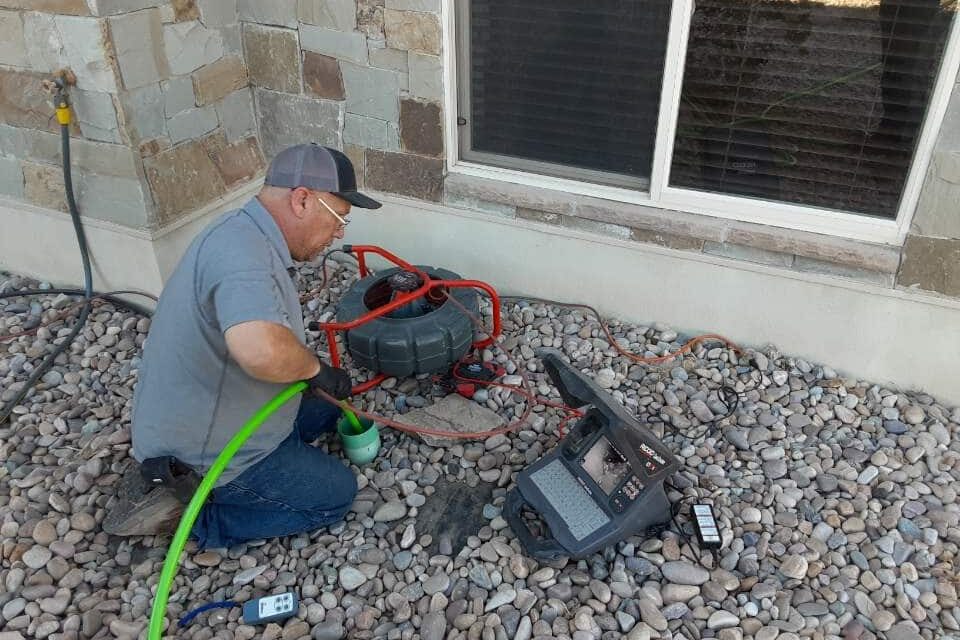
- Consider a sewer camera inspection. A camera can confirm root intrusion, cracks, offsets, bellies, and heavy buildup—so you fix the cause, not just the symptom.
Prevention Tips That Actually Reduce Recurrence
- Keep grease out of drains. Wipe pans before washing; dispose of grease in the trash.
- Avoid wipes and “flushable” products. If it’s not toilet paper, don’t flush it.
- Use strainers in showers and kitchen sinks to catch hair and food.
- Schedule proactive maintenance if your home has a known root-prone line (especially older clay).
- Address drainage around the home (gutters/downspouts directed away) to reduce saturated soil and infiltration risk.
Read More: Can Plumbing Installation Help Prevent Future Leaks?
When It’s Time to Bring in a Professional
If backups recur, affect multiple fixtures, or coincide with rain, you’re likely dealing with a main line or sewer condition that needs proper diagnosis. Persistent backups can lead to water damage, contamination concerns, and costly cleanup, so it’s worth investigating early.
Spartan Plumbing Inc.
760 107th St S, Tacoma, WA 98444
(253)655-9925