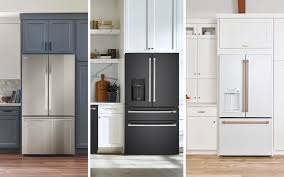
A pigeon pair fridge from Winnings consists of two separate full-height refrigerator and freezer columns installed side by side, each measuring 600-760mm wide and 2,000mm tall, providing 300-400 liters of dedicated refrigerator space alongside 200-300 liters of dedicated freezer capacity with independent temperature controls and door configurations that let you customize installation based on kitchen workflow and aesthetic preferences. Unlike combination units that lock you into a specific refrigerator-to-freezer ratio, pigeon pair setups let you adjust the balance based on actual usage, accommodate changing family needs, and create visual symmetry in kitchen design where built-in appliances frame cooking areas or anchor island ends. The configuration has gained popularity in larger kitchens where space allows separation of refrigeration functions and where homeowners want professional-level food storage capacity.
Understanding the pigeon pair concept
The term “pigeon pair” comes from having a matching set, like twin children of different genders. In refrigeration, it means two separate appliances designed to look identical from the outside but serve different functions inside. One column is all refrigerator, the other all freezer.
This differs from standard french door or side-by-side models where both functions share a single cabinet with fixed proportions. If you need more freezer space, you’re stuck with whatever ratio the manufacturer decided. Pigeon pairs let you choose based on how you actually use your kitchen.
Some households need massive freezer capacity for bulk shopping or meal prep. Others barely use the freezer beyond ice and frozen vegetables. With separate columns, you match the capacity to your needs rather than compromising. You could even install two refrigerator columns if you wanted, or two freezers, though most people go with one of each.
The visual impact matters too. Two matching columns create a built-in look even if they’re freestanding units. The symmetry works aesthetically in ways that standard refrigerator shapes don’t. Kitchen designers often use pigeon pairs to flank cooking ranges or frame prep areas.
Installation flexibility and space planning
Standard combination refrigerators come in specific widths like 900mm or 1,200mm, which might not fit your available space perfectly. Pigeon pair columns give you more options because each column is narrower and you control the spacing between them.
A typical setup uses two 600mm columns with a small gap or positioned right next to each other for a total width around 1,200-1,220mm. But you could space them apart with cabinetry in between, or position them on opposite sides of the kitchen if that works better for your workflow.
The installation height matters because these columns typically stand 2,000-2,100mm tall, which means they often need to be built into cabinetry or positioned where ceiling height accommodates them. You can’t just slide them under standard 2,100mm ceiling heights in some homes without planning for clearance.
Each column operates independently with its own power supply. This means you need two electrical outlets, which requires planning during kitchen design. The outlets need positioning where they’re accessible but hidden once the units are in place.
Weight becomes a consideration too. Each column weighs 90-120 kilograms empty, and fully loaded you’re looking at 150-180 kilograms. The flooring needs to support this weight without sagging, and if you’re installing on an upper floor, structural capacity should be verified.
Capacity advantages over combination units
Here’s where pigeon pairs really shine. A standard 1,200mm wide french door or side-by-side fridge might offer 500 liters total with 350 liters refrigerator and 150 liters freezer. Pigeon pair columns in the same width can provide 350 liters refrigerator and 250 liters freezer, or even 400/200 if you choose larger refrigerator and smaller freezer columns.
The extra freezer capacity changes what you can store. Bulk meat purchases, prepared meals, large ice cream containers, and frozen ingredients that usually don’t fit suddenly have space. If you bake and freeze items or store garden produce, the additional capacity becomes really useful.
Refrigerator capacity benefits too. Full-height columns offer 5-7 shelves instead of the 3-4 in most combination units. The shelf spacing adjusts to accommodate tall items like wine bottles or large beverage containers. You get more door storage for condiments and dairy products.
The separation also means better organization. In a combination unit, you’re constantly rearranging refrigerator items to fit new groceries. With a dedicated column, you have enough space to maintain consistent organization that doesn’t get disrupted every shopping trip.
Independent operation and efficiency benefits
Having separate refrigerator and freezer units means each operates at its optimal temperature without compromise. Combination units sometimes run the refrigerator section cooler than ideal to ensure the freezer stays cold enough, or vice versa. Separate columns avoid this issue entirely.
Each Liebherr column has its own compressor and temperature control system. If one unit needs service, the other keeps working. You won’t lose all your food if one appliance fails, which provides peace of mind and practical backup.
Energy consumption for two separate columns roughly equals a single large combination unit of similar total capacity. The compressors are smaller and run more efficiently for their specific tasks rather than managing different temperature zones within one cabinet.
The NoFrost technology in both columns eliminates frost buildup independently. Air circulation patterns optimize for either refrigeration or freezing specifically rather than compromising for both functions.