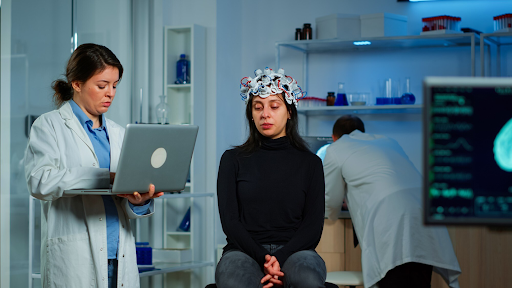
Depression is a complex and often debilitating mental health condition that affects mood, motivation, sleep, concentration, and overall quality of life. While many people benefit from antidepressant medication and psychological therapy, others continue to struggle despite trying multiple treatment options. For these individuals, TMS treatment for depression offers an alternative approach that is both evidence-based and non-invasive. Also known as rTMS treatment (repetitive Transcranial Magnetic Stimulation), this therapy has gained recognition for its ability to target specific brain regions involved in mood regulation.
Understanding the full range of benefits associated with TMS can help individuals make informed decisions about whether it may be suitable for their mental health journey.
A Non-Invasive and Drug-Free Approach
One of the most significant benefits of TMS treatment for depression is that it is completely non-invasive. The procedure does not require surgery, implants, or anaesthesia. Instead, a magnetic coil is placed against the scalp, delivering controlled magnetic pulses to targeted areas of the brain. These pulses stimulate nerve cells in regions associated with mood control.
Unlike antidepressant medications, TMS does not circulate through the bloodstream. This means it avoids many systemic side effects that medications can cause, such as weight gain, nausea, fatigue, sexual dysfunction, or emotional blunting. For individuals who have struggled with medication side effects, this drug-free aspect can be particularly appealing.
Effective for Treatment-Resistant Depression
Many individuals considering rTMS treatment have already tried one or more antidepressants without achieving sufficient relief. Treatment-resistant depression can be discouraging and emotionally exhausting. TMS provides a different mechanism of action by directly stimulating specific neural circuits rather than altering neurotransmitter levels throughout the brain.
Research has shown that TMS can significantly reduce depressive symptoms in people who have not responded adequately to medication. For some, it leads to remission; for others, it results in substantial symptom reduction that improves daily functioning and quality of life. This makes it a valuable option when traditional approaches have not delivered desired results.
Targeted Brain Stimulation
Another major advantage of rTMS treatment is its precision. The therapy typically targets the left dorsolateral prefrontal cortex, an area of the brain known to be underactive in many individuals with depression. By stimulating this region, TMS helps restore more balanced neural activity.
Because the treatment focuses on a specific area, it does not affect the entire brain. This targeted approach contributes to its favourable safety profile and reduces the likelihood of widespread cognitive side effects. It also reflects a more modern understanding of depression as a condition involving disrupted neural networks rather than simply a chemical imbalance.
Minimal and Manageable Side Effects
Compared to other advanced treatments such as electroconvulsive therapy (ECT), TMS treatment for depression has a relatively mild side effect profile. The most common side effects include temporary scalp discomfort, mild headaches, or tingling sensations at the treatment site. These effects often diminish after the first few sessions as the body adjusts.
Serious side effects, such as seizures, are rare when proper screening and clinical guidelines are followed. Importantly, TMS does not typically cause memory loss or confusion, which are sometimes associated with other neurological interventions. This safety profile makes it suitable for many individuals who might otherwise hesitate to pursue alternative treatments.
No Sedation and No Downtime
TMS sessions are performed on an outpatient basis and generally last between 20 and 40 minutes, depending on the protocol used. Patients remain awake and alert throughout the session and can drive themselves home or return to work immediately afterward.
There is no need for recovery time, hospital admission, or post-procedure monitoring beyond routine observation. For individuals balancing work, family, and personal responsibilities, this convenience makes TMS a practical treatment option.
Gradual and Sustained Improvement
Many people undergoing TMS treatment for depression begin to notice gradual improvements over the course of several weeks. Early changes may include better sleep, increased energy, improved focus, or reduced emotional heaviness. Mood improvements often become more noticeable as the treatment progresses.
While results vary between individuals, some experience long-lasting benefits even after completing the initial treatment course. In cases where symptoms return, maintenance sessions may help preserve improvements. The potential for sustained symptom relief is one of the key reasons rTMS treatment continues to gain acceptance in mental health care.
Can Be Integrated with Other Therapies
TMS does not necessarily replace existing treatments. In many cases, it is used alongside psychotherapy or medication management. Combining approaches can enhance overall effectiveness by addressing depression from multiple angles.
For example, as TMS improves mood and cognitive clarity, individuals may find it easier to engage in psychological therapy or adopt healthy lifestyle changes. This integrated approach supports both neurological and psychological aspects of recovery.
Preserves Cognitive Function
One concern people often have about brain-based treatments is potential cognitive impairment. Unlike some interventions that may temporarily affect memory or concentration, rTMS treatment is not typically associated with cognitive decline. In fact, some patients report improved concentration and mental sharpness as depressive symptoms lessen.
Preserving cognitive function while improving mood is a significant advantage, particularly for individuals who rely on mental performance for work or study.
Suitable for Those Who Cannot Tolerate Medication

Some individuals are unable to take antidepressants due to medical contraindications, pregnancy considerations, or severe side effects. Others prefer to avoid long-term medication use. TMS treatment for depression offers an alternative for these individuals, providing therapeutic benefit without the systemic exposure associated with pharmaceuticals.
While medication remains effective for many people, having a non-drug option expands the range of accessible treatments.
Evidence-Based and Clinically Recognised
rTMS treatment is supported by extensive clinical research and is approved in many countries as a treatment for major depressive disorder. Its increasing availability in specialised mental health clinics reflects growing confidence in its effectiveness and safety.
Professional guidelines often recommend TMS for individuals who have not responded to at least one or two antidepressant trials. This endorsement reinforces its role as a legitimate and validated treatment option rather than an experimental approach.
Encourages Hope and Engagement in Recovery
Perhaps one of the most meaningful benefits of TMS treatment for depression is the sense of renewed hope it can provide. For individuals who have tried multiple therapies without success, discovering another evidence-based option can restore optimism.
The structured nature of TMS sessions—often delivered daily over several weeks—also creates a consistent treatment routine. This regular engagement can reinforce commitment to recovery and provide a supportive clinical environment.
Final Thoughts
TMS treatment for depression offers a range of benefits, including its non-invasive nature, minimal side effects, targeted brain stimulation, and effectiveness for treatment-resistant cases. As a form of rTMS treatment, it provides a scientifically supported alternative for individuals seeking relief beyond traditional medication and therapy alone.
While outcomes differ from person to person, many individuals experience meaningful improvements in mood, energy, and overall functioning. Careful screening, realistic expectations, and guidance from qualified mental health professionals are essential to achieving the best possible results.
For those struggling with persistent depressive symptoms, TMS represents a promising and increasingly accessible pathway toward recovery and improved quality of life.