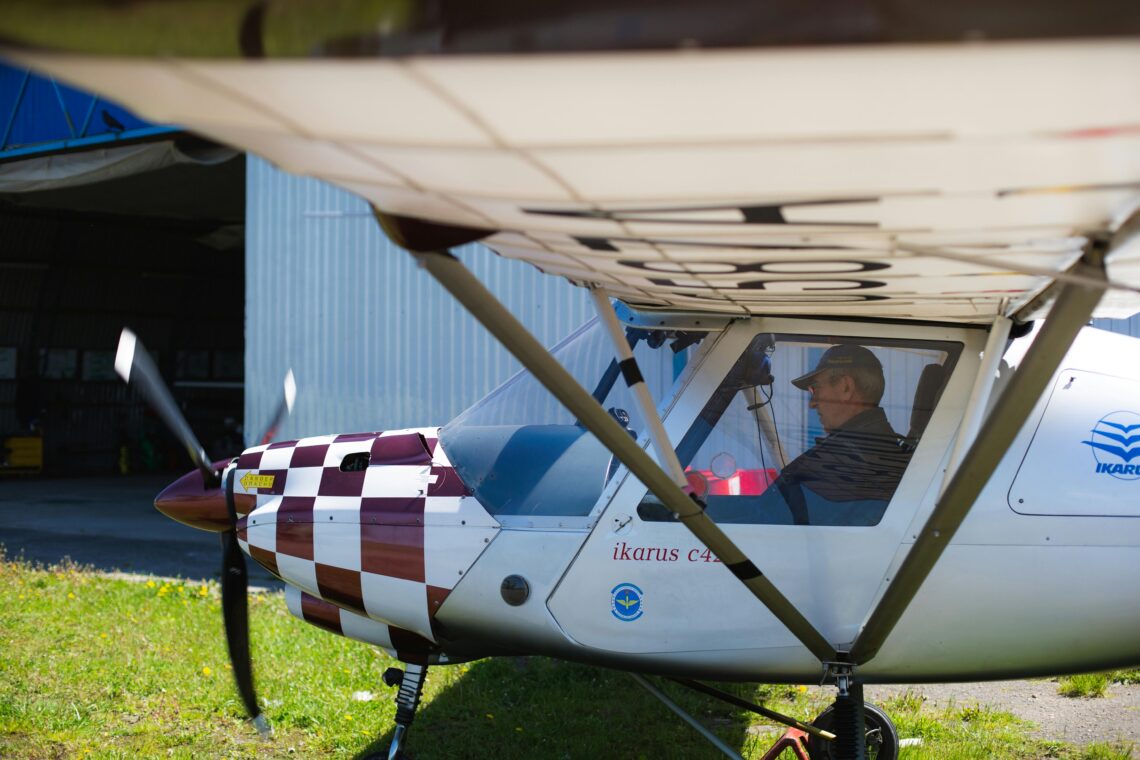
The world of aviation technology stands as one of humanity’s most impressive achievements, a beautiful marriage of physics, engineering, and sheer innovation that’s made flight not just possible, but remarkably safe and efficient. From those early, daring days of powered flight to the sophisticated aircraft systems we rely on today, aviation technology has transformed dramatically to meet the ever-growing demands of modern air travel. Whether you’re someone who gets excited watching planes take off, an aspiring pilot with dreams of the cockpit, or simply curious about what keeps these massive machines airborne, understanding the fundamental technologies behind aviation offers genuinely fascinating insights into this complex field. This guide breaks down the essential components and systems that make aviation possible, offering a clear window into the technology that literally connects our world through the skies.
The Foundation of Flight Systems
At the heart of every aircraft sits a carefully integrated collection of systems working together in perfect harmony to achieve controlled flight. The primary flight control systems, ailerons for roll control, elevators for pitch adjustment, and rudders for yaw management, respond to pilot inputs and translate human decisions into precise aircraft movements. It’s like an intricate dance between machine and operator. Modern fly-by-wire systems have completely revolutionized this relationship by replacing traditional mechanical linkages with electronic signal transmission, which provides enhanced safety features and dramatically improved flight characteristics.
Navigation and Communication Technology
Aviation’s remarkable ability to operate safely in all weather conditions relies heavily on advanced navigation and communication systems that work tirelessly behind the scenes. GPS technology has fundamentally transformed how aircraft navigate, providing precise positioning information that enables efficient routing and accurate approaches to airports worldwide, even in challenging conditions. The Automatic Dependent Surveillance-Broadcast system allows aircraft to transmit their position, velocity, and identification to ground stations and other aircraft, creating a comprehensive, real-time picture of airspace traffic. VHF radios facilitate critical communication between pilots and air traffic controllers, ensuring coordinated operations in even the busiest airspace.
Engine Technology and Propulsion Systems
The engines powering modern aircraft represent absolute pinnacles of mechanical engineering, converting fuel into thrust with remarkable efficiency and reliability that would’ve seemed impossible just decades ago. Turbofan engines dominate commercial aviation, using a large fan at the front to move vast quantities of air around the engine core, creating thrust while maintaining impressive fuel efficiency. The compression, combustion, and expansion cycles within jet engines occur thousands of times per minute, generating the tremendous power needed to propel massive aircraft through the air at hundreds of miles per hour. Engine monitoring systems constantly track parameters like temperature, pressure, and vibration, instantly alerting crews to any deviations from normal operations before they become problems.
Avionics and Cockpit Technology
The cockpit serves as the aircraft’s command center, the nerve center where pilots interact with sophisticated avionics systems that manage everything from initial flight planning to continuous system monitoring throughout the journey. Glass cockpit displays have completely replaced traditional analog instruments, presenting flight information through high-resolution screens that can be customized for different phases of flight, giving pilots exactly the information they need when they need it. The Flight Management System serves as the aircraft’s computer brain, calculating optimal routes, managing fuel consumption with precision, and automating many routine tasks that once demanded constant pilot attention. Autopilot systems can actually control the aircraft through most phases of flight, reducing pilot workload and enhancing safety during those long-duration operations where fatigue could become a factor.
Maintenance and Safety Systems
Behind every successful flight stands a rigorous maintenance program ensuring aircraft systems operate within strict specifications, because in aviation, “close enough” simply isn’t good enough. Preventive maintenance schedules dictate precisely when components must be inspected, tested, or replaced, following manufacturer guidelines and regulatory requirements that leave nothing to chance. Non-destructive testing methods allow technicians to examine critical structures without causing damage, identifying potential issues before they ever become safety concerns. Modern aircraft include extensive built-in test equipment that continuously monitors system health, recording faults and anomalies for maintenance review and analysis. The precision required in aviation maintenance demands specialized equipment and highly trained personnel who understand the absolutely critical nature of their work. When performing precision measurements and diagnostics, aviation professionals rely on tool calibration near me to ensure their testing equipment maintains the accuracy standards required for flight-critical systems. From routine inspections to major overhauls, the maintenance infrastructure supporting aviation ensures that technical standards remain uncompromised throughout an aircraft’s entire operational life.
Weather Technology and Flight Operations
Understanding and responding to weather conditions represents a critical aspect of aviation technology, since atmospheric phenomena significantly impact both flight safety and operational efficiency. Meteorological systems provide real-time weather data to dispatchers and pilots, enabling informed decision-making about routes and departure times that can make or break a flight schedule. Satellite imagery reveals large-scale weather patterns developing across continents, helping forecasters predict conditions hours or even days in advance with impressive accuracy. Aircraft weather radar actively scans the flight path ahead, detecting precipitation intensity and turbulence potential so crews can adjust their route accordingly.
Future Trends in Aviation Technology
The aviation industry continues to evolve at a breathtaking pace, with emerging technologies promising to completely reshape how we think about flight in the coming decades. Electric and hybrid-electric propulsion systems are being developed to dramatically reduce emissions and operating costs for shorter routes, potentially revolutionizing regional air travel. Artificial intelligence applications are enhancing predictive maintenance capabilities in ways that seemed like science fiction just years ago, identifying potential failures before they occur and preventing costly delays. Advanced materials like carbon fiber composites are creating stronger, lighter airframes that improve fuel efficiency and performance while reducing environmental impact.
Conclusion
Aviation technology encompasses a truly vast array of systems and disciplines that work together in remarkable harmony to make safe, efficient flight possible every single day. From the fundamental aerodynamic principles that generate lift to the sophisticated electronic systems managing modern aircraft, every component plays a crucial role in aviation’s ongoing success story. Understanding these technologies provides genuine appreciation for the engineering achievements that enable millions of people to travel by air safely every day, something we often take for granted until we really stop to think about it. As technology continues advancing at an accelerating pace, the future of aviation promises even more impressive capabilities, building on the solid foundation of innovation that’s defined this industry since those first tentative flights over a century ago.