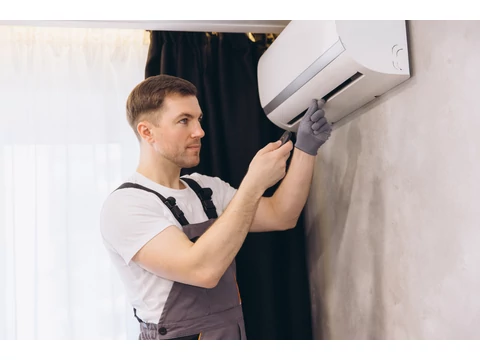
HVAC noise is more than an annoyance; it can signal airflow restrictions, loose components, vibration transfer, or mechanical wear that slowly reduces system performance. Homeowners often describe rattling vents, humming walls, booming start-ups, or a constant whir that makes bedrooms and workspaces uncomfortable. In many cases, the equipment is functioning, but the way it is installed, supported, and tuned allows sound to travel through framing, ductwork, or refrigerant lines. HVAC contractors play a key role in reducing noise by diagnosing its sources, separating normal operating sounds from warning signs, and applying mechanical and airflow fixes that quiet the system without sacrificing comfort. Noise control becomes a practical form of system health management, not just a cosmetic adjustment.
Quieter Systems Through Better Setup
Pinpointing Noise Sources With Real Diagnostics
Reducing HVAC noise starts with identifying whether the sound is generated by the equipment itself or amplified by the building’s vibration. Contractors listen for the timing of noise events, such as whether the sound occurs at start-up, during steady operation, during blower ramp-up, or during system shutdown. They inspect the air handler or furnace cabinet for loose panels, missing screws, and contact points that create buzzing. They also check the outdoor unit’s mounting surface, fan blade condition, and refrigerant line routing because vibration can travel through copper lines into the structure. Ductwork is examined for oil-canning, metal flexing, and rattling connections that respond to pressure changes. This diagnostic approach prevents random part swapping and narrows the fix to the real contributor, whether it is mechanical wear, airflow turbulence, or vibration transfer. When the source is correctly identified, noise reduction becomes predictable rather than a matter of trial and error.
2. Blower and Motor Adjustments That Reduce Sound
Blower operation is a common contributor to indoor noise, especially when fan speed settings do not match the duct system’s resistance. If the blower is pushing too hard against restrictive ducts or a clogged filter, the system can produce a loud rushing sound at returns and registers, and the cabinet may resonate. Contractors test static pressure to determine whether airflow is being forced through a system that cannot accept it quietly. During Furnace repair service calls, they often find that a blower was set to a higher speed after a previous service visit, which can increase noise without improving comfort. By adjusting fan speeds, confirming proper filter sizing, and correcting return air limitations, contractors lower turbulence and reduce the volume of airflow-related sound. They also inspect motor mounts and bearings, since worn bearings can produce whining or grinding that increases over time. Proper blower tuning creates a quieter baseline and improves overall system balance.
3. Ductwork Design and Vibration Control Strategies
Ducts can act like a speaker system, carrying and amplifying noise when poorly supported or improperly sized. Contractors reduce noise by addressing both the structure and the airflow behavior within the duct network. Loose hangers, long unsupported runs, and rigid connections near the air handler can transmit vibration into ceilings and walls. Adding supports, tightening joints, and using vibration-isolating connectors help prevent the duct system from acting like a drum. Airflow noise is also influenced by duct sizing and transitions; sharp turns and tight reductions increase turbulence, creating a hiss or roar that becomes noticeable at vents. Contractors may recommend resizing certain runs, improving transitions, or adding turning vanes where airflow direction changes abruptly. These changes reduce pressure spikes and smooth airflow, which quiet the system while helping air reach rooms more evenly.
4. Outdoor Unit Placement and Vibration Isolation
Outdoor equipment noise often becomes a problem when the unit is installed too close to living spaces, mounted on an unstable pad, or connected with line sets that press against framing. Contractors evaluate whether the condenser is level, whether the fan is balanced, and whether the cabinet is secure. Even small issues, like a slightly bent fan blade or a loose top grille, can create a rhythmic vibration that travels through the pad and into the structure. Contractors may install isolation pads, adjust mounting points, and ensure refrigerant lines are supported and not touching siding or joists. They also check for debris or coil blockage that forces the fan and compressor to work harder, potentially increasing operating noise. By addressing placement and isolation, contractors reduce the low-frequency hum and vibration that homeowners often feel more than they hear, especially at night when ambient noise is low.
5. Maintenance, Wear Prevention, and Sound Over Time
Noise reduction is closely tied to maintenance, as many sounds are early indicators of wear. A rattling panel can evolve into persistent vibration, while a humming motor can signal electrical strain or declining bearings. Contractors reduce long-term noise by keeping components clean and tight, and by operating them within normal load ranges. Cleaning coils helps fans move air more efficiently, reducing strain and sound. Lubrication and alignment checks help moving parts operate smoothly, and inspections catch loose mounts before they become loud. Contractors also look for airflow restrictions that make the system work harder than necessary, which increases sound output and shortens component life. When maintenance is consistent, the system remains quieter because it does not need to push against unnecessary resistance or compensate for neglected mechanical issues. Over time, quiet operation becomes a sign that the system is balanced and healthy, not just “less annoying.”
HVAC contractors reduce equipment noise by combining mechanical inspection, airflow testing, and vibration control rather than relying on quick fixes. They identify where sound begins, tune blower operation to match the duct system, reinforce and refine ductwork to reduce turbulence, and isolate outdoor equipment so vibration does not travel into living spaces. Maintenance also plays a major role, because many noises are early warnings of wear or imbalance that can be corrected before they escalate. When noise is addressed at the source, comfort improves immediately, and the system often runs more smoothly and reliably. Quiet HVAC operation is not only about peace and quiet; it reflects a system working in harmony with the home.