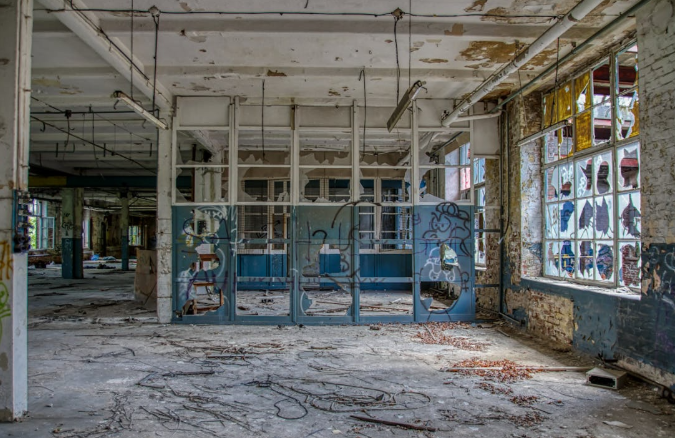
We agree — older buildings and wall structures have a unique charm. Unfortunately, they are riddled with hidden hazards, such as lead-based paint and asbestos. These materials were commonly used in construction products for decades. As the risks became known, the production and usage of such hazardous products were banned.
But if you’re planning to renovate an older structure or believe you’ve already been exposed to it, it’s important to know the dangers that might lie beneath the surface. This guide covers the risks of hazardous materials in older wall structures so you can take safety precautions and timely action:
Hazardous Materials Found in Older Buildings
Here are four hazardous materials that can be found in older buildings:
Asbestos
Asbestos was known for its durability and heat resistance. This is why it was a common material in insulation, ceiling tiles, floor tiles, plaster, drywall joint compound, exterior siding, and stucco. Asbestos in plaster walls meant making the building fire-resistant.
Unfortunately, people weren’t aware of the severe risks of asbestos exposure. The EPA banned asbestos in 1978, but it’s still out there.
When people disturb old buildings for renovation, the particles can become airborne and cause a myriad of fatal health diseases, such as:
Mesothelioma: It is a rare, almost always fatal cancer of the lining of the lungs or abdomen.
Asbestosis: It is a chronic, non-cancerous respiratory disease caused by lung tissue scarring
Lung cancer: It is the occurrence of malignant tumors in the lungs.
Asbestos must be carefully removed by trained professionals using special equipment.
Even after the dangers of asbestos were known, many companies continued to use it. If you or a loved one had been exposed to asbestos fibers due to someone else’s negligence, you may be entitled to compensation through personal injury lawsuits, wrongful death claims, or trust funds. Reach out to a reputable law firm, such as ELSM Law, to know more about the worth of your claim.
Lead
In addition to asbestos, lead-based paint was also used in residential and commercial buildings until it was banned in 1978. When intact, lead-based paint does not cause harm to health. However, when the paint deteriorates or is peeled off during renovations, it releases harmful lead dust and chips into the air.
Common risks include:
- Developmental issues in children.
- Neurological damage in adults, including memory loss or headaches.
- Serious health conditions like high blood pressure and reproductive problems.
Silica Dust
Silica dust is released when someone cuts, drills, or grinds into old concrete, mortar, or masonry. The most common danger of inhaling silica dust is silicosis. It is an incurable, progressive lung disease where tissue becomes stiff and scarred. The ultimate result is respiratory failure.
Other risks include:
- Chronic bronchitis
- Kidney damage
- Autoimmune diseases
- Increased tuberculosis risk
Mold
Mold grows in older wall structures due to long-term exposure to moisture. It often grows due to internal damage, such as a leaky roof or bad ventilation.
Long-term exposure to mold can irritate the respiratory system. It is especially dangerous for asthma sufferers, smokers, and individuals with immunocompromised systems.