Teaching in high-responsibility settings carries a different kind of weight. Instruction does not stay contained within a classroom or training session. What learners take in often gets applied quickly, sometimes under pressure, and usually in situations where decisions affect real outcomes. Educators working in these environments need preparation that supports clarity, judgment, and awareness rather than theory alone.
Roles like clinical instruction, professional training, and advanced education require teachers who understand how responsibility shapes learning. Knowledge delivery becomes only part of the task. The way information is framed, timed, and reinforced matters just as much as what is being taught. Preparation for this kind of teaching focuses on readiness, not performance.
Decision Pressure
Teaching in high-responsibility environments requires instructors who understand how decision pressure affects learning. Learners absorb information differently once they know their choices carry consequences. Teaching under these conditions means recognizing how urgency, accountability, and limited margin for error shape attention and retention.
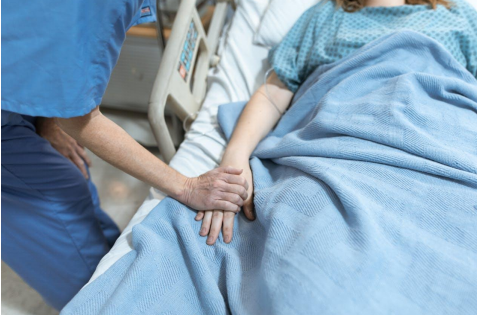
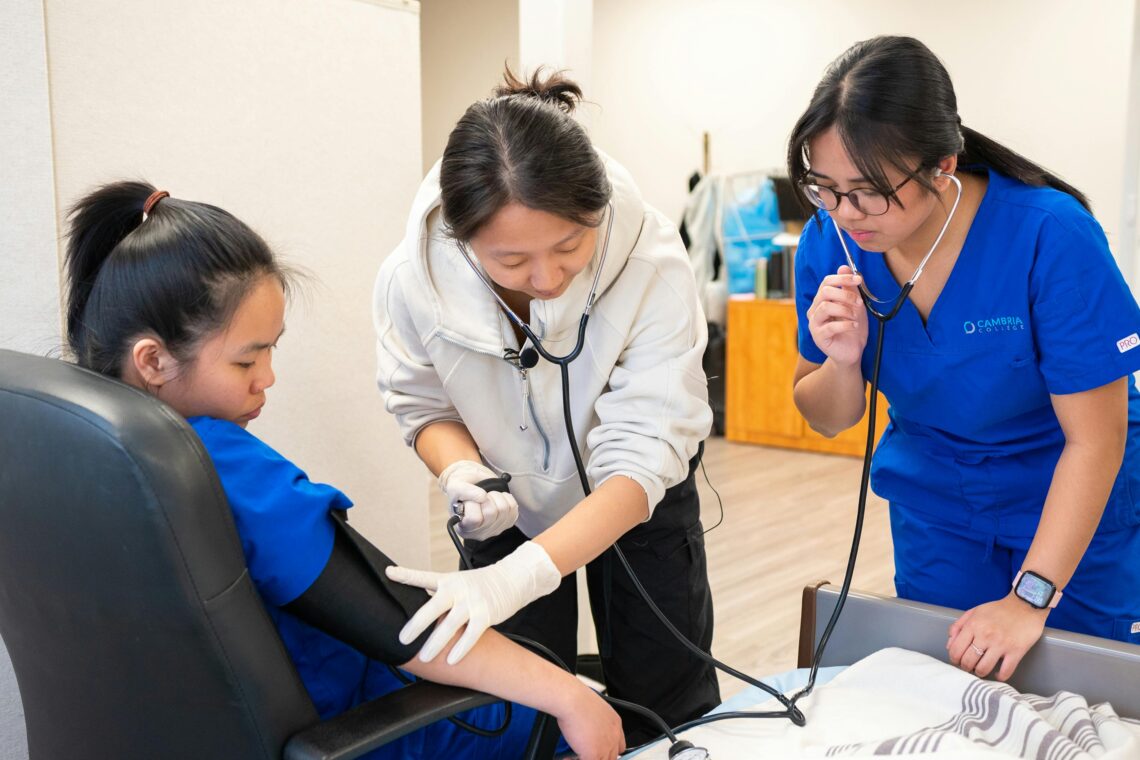
Nurses who move into teaching roles often experience this shift firsthand. Clinical experience brings familiarity with pressure, but teaching it requires additional skill. An online MSN education program supports this transition by helping nurses learn how to guide others through decision-heavy situations. It also helps build skills in instructional planning, communication, and evaluation, allowing nurses to support learning in real clinical settings without stepping away from professional responsibilities. Online formats work well because they allow working professionals to continue practicing while developing teaching skills that stay connected to real responsibilities rather than academic abstraction.
Applied Knowledge
Educators in high-responsibility settings must translate complex knowledge into actions learners can apply immediately. Information that stays theoretical often fails to hold under pressure. Teaching focuses on how concepts function in real conditions, not just how they are defined.
This approach changes how material is presented. Lessons emphasize sequence, prioritization, and clarity. Learners gain understanding that feels usable rather than distant. Applied teaching supports confidence because learners recognize how knowledge fits into their responsibilities instead of feeling overwhelmed by volume.
Time And Cognitive Load
Limited time affects how learning unfolds in high-responsibility environments. Teaching sessions are often short, interruptions are common, and mental load stays high. Educators need to structure instruction with these limits in mind so learning remains effective.
Cognitive load influences what learners retain. Teaching that respects attention limits focuses on essential information and clear takeaways. Educators prepared for these conditions learn how to pace instruction without sacrificing depth. Awareness of mental demand supports learning that holds up beyond the moment.
Correcting Errors
Preparation for teaching in high-responsibility settings includes learning how to correct errors without undermining confidence. Mistakes often carry emotional weight when responsibility is high. Educators must respond in ways that support growth rather than hesitation.
Effective correction maintains trust. Feedback stays clear, direct, and focused on improvement. Learners benefit from understanding what needs adjustment without feeling discouraged. Teaching that handles errors thoughtfully helps learners stay engaged and willing to refine their judgment.
Authority And Approachability
Educators must balance authority with approachability in high-responsibility roles. Learners need to trust instruction while feeling comfortable asking questions or expressing uncertainty. This balance supports honest communication and deeper learning.
Preparation helps educators develop presence without distance. Authority comes from experience and clarity, not rigidity. Approachability encourages dialogue and reflection. Teaching that holds both qualities supports learning environments where responsibility is taken seriously without limiting participation.
Stress And Learning
Stress plays a quiet but powerful role in how people learn in high-responsibility settings. Pressure can sharpen focus, but it can also narrow attention and reduce retention if it goes unmanaged. Educators need to understand how stress shows up in learners, not as a weakness, but as a natural response to responsibility.
Teaching with stress in mind means creating space for processing, even in fast-moving environments. Educators learn to pace instruction, repeat key points, and recognize moments when learners need grounding rather than more information. Preparation for this kind of teaching helps instructors support learning that holds up under pressure instead of fading once stress increases.
Modeling Professional Accountability
Educators in high-responsibility settings teach accountability long before they speak about it directly. Learners watch how instructors handle pressure, respond to mistakes, and follow through on decisions. Actions taken in challenging moments often leave a stronger impression than formal instruction. Accountability becomes visible through consistency, transparency, and ownership rather than explanation alone.
Demonstrating accountability also shapes how learners view responsibility in their own roles. Educators who acknowledge limits, communicate clearly, and reflect on outcomes show that accountability is part of everyday practice, not a reaction to problems. This behavior builds trust and sets a standard that learners carry forward, understanding that professional responsibility shows up through daily choices and conduct.
System Awareness
High-responsibility teaching requires awareness beyond individual tasks. Decisions rarely affect just one person or outcome. Systems, protocols, and team dynamics all play a role in how actions ripple outward. Educators need to help learners see this bigger picture without overwhelming them.
System awareness shapes how responsibility is understood. Teaching includes how decisions connect to workflows, policies, and shared accountability. Educators prepared for this level of instruction guide learners to think beyond immediate actions and consider broader impact.
Adapting In Real Time
Teaching in high-responsibility settings rarely follows a fixed script. Conditions change quickly, questions arise unexpectedly, and priorities shift without warning. Educators must adapt instruction in real time while keeping learning objectives intact.
Preparation supports flexibility. Educators trained for these environments learn how to adjust explanations, revisit concepts, or change focus without losing clarity. Adaptability helps maintain relevance and keeps instruction connected to what learners are facing in the moment. Teaching stays responsive rather than rigid.
Ethical Judgment
Preparation also involves learning how to teach ethical judgment alongside technical skills. High-responsibility roles often involve choices that go beyond procedure. Educators need to guide learners through ethical considerations that shape decision-making in real situations.
Teaching ethical judgment requires discussion, reflection, and clear framing. Educators help learners understand how values, responsibility, and professional standards interact. This preparation supports thoughtful action rather than automatic response. Ethical awareness becomes part of practice rather than a separate concept.
Preparing professionals to teach in high-responsibility settings requires more than subject expertise. Educators need awareness of pressure, stress, system impact, and ethical responsibility. Teaching must stay practical, adaptable, and grounded in real conditions where decisions carry weight. Preparation that supports judgment, clarity, and human awareness helps educators guide learners with confidence. Teaching becomes a process of supporting readiness rather than delivering information.