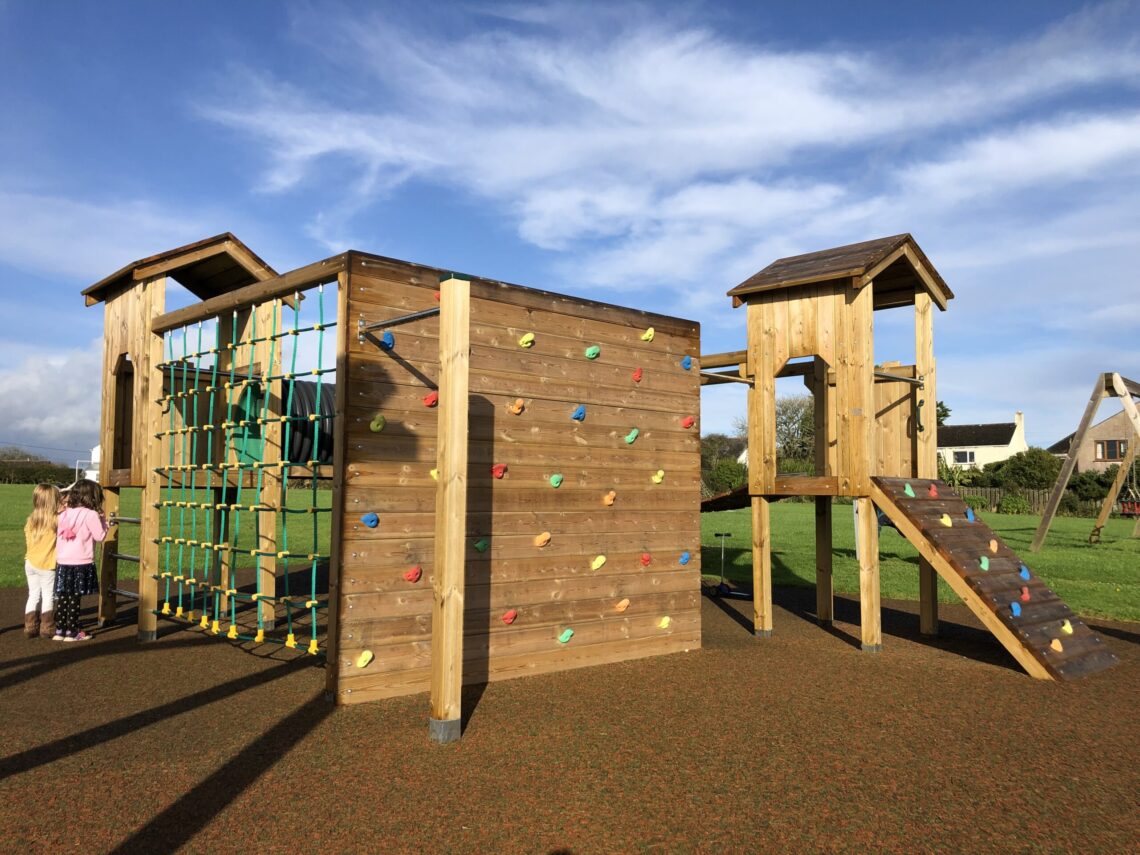
Research from Monash University’s Child Development Lab tracked 150 children over 18 months and found those with regular access to climbing structures showed 44% greater improvement in grip strength and 38% better spatial planning skills compared to control groups using primarily ground-level equipment. Playground climbing towers serve as cornerstone features in modern play spaces, offering vertical challenges that develop upper body strength, problem-solving abilities, and confidence in physical capabilities. These towers range from simple ladder structures to complex multi-level installations with varied climbing routes, slides, and observation decks. The design considerations extend beyond basic safety compliance to encompass age appropriateness, progressive difficulty, and integration with surrounding play elements. Understanding what makes climbing towers effective developmental tools helps communities invest in equipment that delivers lasting value.
Upper Body and Core Strength Development
Climbing activities engage muscle groups that many childhood activities neglect. Unlike running or cycling which focus on leg strength, climbing requires coordinated use of arms, shoulders, back, and core muscles to lift and stabilize body weight.
The resistance provided by a child’s own bodyweight creates naturally scaled exercise that adjusts to individual size and strength. Larger children face greater resistance, while smaller children work within their capacity. This self-adjusting feature makes climbing equipment appropriate across wide age ranges without requiring manual adjustments.
Pediatric physical therapy research shows that climbing movements develop functional strength patterns that transfer well to daily activities. The pulling, reaching, and stabilizing motions required for climbing support better posture, improved sports performance, and reduced injury risk in other physical activities.
What I find particularly valuable about climbing for strength development is that kids don’t perceive it as exercise. They’re focused on reaching the top or navigating a challenging route, not on working their muscles. This intrinsic motivation leads to repeated practice that structured exercise routines rarely achieve with children.
Progressive Route Difficulty
Well-designed climbing towers incorporate multiple routes with varied difficulty levels, allowing children to choose challenges matching their current abilities while providing clear progression paths as skills improve.
Easy routes typically feature larger handholds, closer spacing between grips, and more obvious climbing paths. These entry-level options build confidence and allow younger or less experienced climbers to participate successfully. Having these options matters enormously for inclusion and preventing frustration.
Intermediate routes reduce handhold size, increase spacing between grips, or introduce route-finding challenges that require planning. Children who’ve mastered basic routes can progress to these moderate challenges without jumping to expert-level difficulty that might exceed their capabilities.
Advanced sections might include overhangs, smaller grips, or complex sequences requiring specific movement patterns. These features keep climbing towers engaging for older children who might otherwise lose interest in equipment that feels too easy.
Australian Standard AS 4685 provides height guidelines based on age groups, but progressive route design matters just as much as absolute height. A well-designed 3-meter tower with varied routes often provides better developmental value than a 5-meter structure with only one climbing path.
Problem Solving and Route Planning
Climbing towers present continuous problem-solving challenges that engage cognitive skills alongside physical abilities. Children must evaluate potential routes, judge handhold quality, and adapt plans when initial approaches don’t work.
This problem-solving aspect differentiates climbing from more straightforward physical activities like swinging or sliding. Each attempt requires decision-making about hand and foot placement, weight distribution, and movement sequencing. Research in developmental psychology shows these planning activities support executive function development that extends beyond physical skills.
I’ve watched kids approach the same climbing tower dozens of times, trying different routes and strategies each visit. This repeated engagement with problem-solving in physical contexts builds confidence in tackling novel challenges, a trait that transfers to academic and social situations.
Social learning enhances the problem-solving benefits. Children observe peers successfully navigating difficult sections and incorporate those strategies into their own attempts. This observational learning happens naturally without adult instruction and represents valuable cognitive development.
Confidence Building Through Mastery
Climbing towers provide clear, visible markers of progress that support confidence development. When a child reaches a level they couldn’t access previously, they have tangible evidence of improvement. This concrete feedback differs from many activities where progress is more abstract or gradual.
The height element adds psychological challenge beyond the physical demands. Climbing higher requires managing fear and trusting one’s abilities, skills that extend well beyond playground contexts. Child psychology research indicates that successfully managing reasonable physical risks in play settings supports better anxiety regulation and risk assessment in other life areas.
Importantly, climbing towers allow children to self-select their challenge level. They can stop at comfortable heights or push themselves further based on readiness. This autonomy supports healthy risk-taking rather than the forced challenges that can undermine confidence.
Peer validation plays a role too. When kids successfully navigate difficult climbing routes, they often receive recognition from watching peers. This social acknowledgment reinforces confidence gains and motivates continued effort.
Safety Features and Design Standards
Modern climbing towers incorporate numerous safety features that allow appropriate challenge while minimizing serious injury risk. Understanding these features helps distinguish quality installations from inadequate ones.
Impact-absorbing surfacing beneath and around climbing structures is mandatory under Australian standards. The required depth and type of surfacing relates directly to the maximum fall height of the structure. Most climbing towers require surfacing meeting 2.5 to 3-meter critical fall height ratings.
Enclosed platforms at various levels provide rest points where climbers can pause, assess their next moves, or simply enjoy the elevated perspective. These platforms should include appropriate guardrails meeting height and spacing requirements that prevent falls while not obstructing legitimate climbing routes.
Climbing holds and grips must meet specific size and mounting requirements to prevent finger entrapment while providing adequate grip surfaces. Quality installations use through-bolted holds rather than surface-mounted options that can work loose over time.
Color-coding or visual marking of different route difficulties helps users select appropriate challenges. Some installations use different colored holds to indicate beginner, intermediate, and advanced routes, though this approach requires sufficient hold density to create distinct paths.