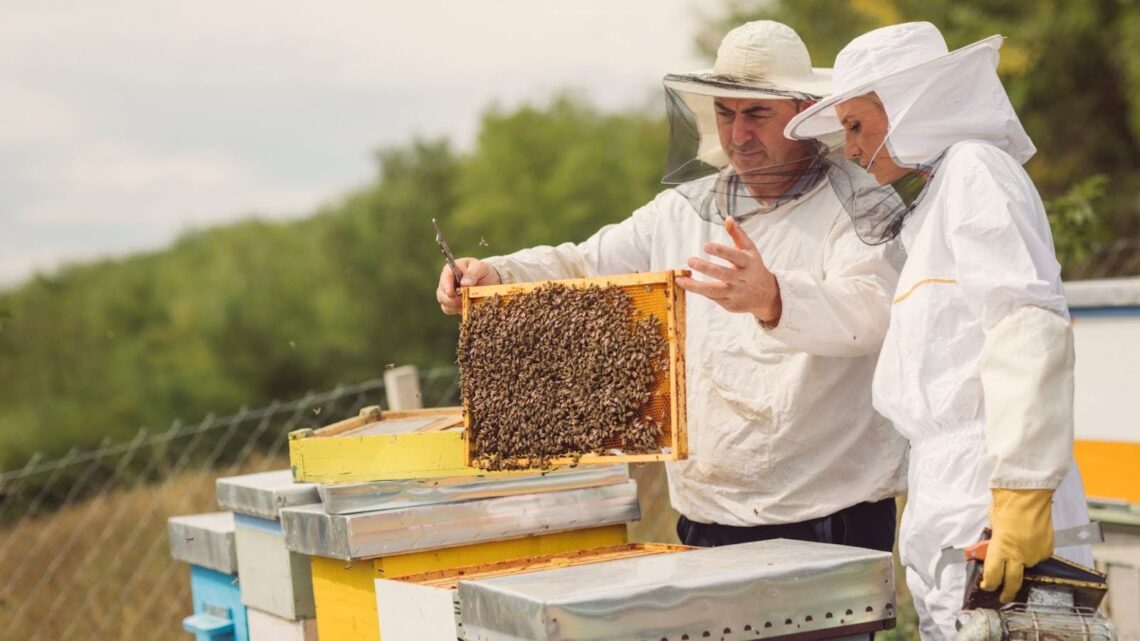
Beekeeping in the United States exposes protective clothing to intense environmental variation. Summer humidity in the Southeast, dry desert heat in the Southwest, fluctuating spring temperatures in the Midwest, and extended UV exposure in agricultural regions all create performance demands that basic protective gear often fails to meet.
A performance-driven bee suit is engineered around two measurable objectives: sustained sting prevention and controlled thermal management. When evaluating a bee suit for sale in USA markets, structural ventilation systems, closure reliability, and reinforcement architecture should guide the decision process.
Triple-Layer Ventilation: Managing Heat Without Compromising Protection
High summer temperatures can turn hive inspections into physically demanding sessions. Standard single-layer cotton suits tend to trap heat and compress against the skin as perspiration builds. Once fabric compression occurs, sting resistance decreases.
Performance-oriented bee suits utilize a three-layer ventilated structure. This design typically consists of:
- An outer breathable polyester mesh layer
- A central core of lightweight foam or rubberized netting
- An inner breathable mesh lining
The central core creates a physical air gap thicker than a bee’s stinger. This spacing significantly reduces penetration risk while allowing continuous airflow through the garment.
For beekeepers searching for a bee suit for sale in USA climates where temperatures routinely exceed 30°C (86°F), structured ventilation is not a comfort upgrade, it is an operational necessity.
Heavy-Duty Hardware Built for Field Use
Protective reliability depends on more than fabric. Zippers, closures, and pull systems determine long-term structural security.
Performance-grade suits commonly incorporate:
- Reinforced brass or industrial-grade metal zippers
- Oversized pull rings designed for use with gloves
- Overlapping zipper flaps secured with Velcro
- Long leg zippers (often 18–24 inches) to allow entry without removing boots
Plastic zipper systems found in economy-level gear frequently degrade under repeated outdoor use. Hardware durability directly influences suit lifespan.
When reviewing bee suits for sale, zipper specification should be clearly stated.
Strategic Reinforcement for Repetitive Motion
Hive inspections require kneeling, lifting supers, bending at the waist, and repetitive arm extension. High-wear zones particularly knees and elbows experience concentrated stress.
Performance-driven bee suits include:
- Double-layer knee reinforcement
- Cushioned or padded knee panels
- Reinforced shoulder stitching
- Triple-stitched seam construction
Standard single-stitch seams may weaken under repeated mechanical load. Reinforcement reduces failure risk during commercial or multi-hive operations.
Secure Sealing Systems: Preventing Gap Exposure
Bees exploit small entry points. Sleeve migration, loose ankle openings, or unsealed zipper tracks create vulnerabilities.
Advanced sealing systems incorporate:
- Elasticated wrist and ankle compression
- Velcro-adjustable cuffs
- Thumb loops to prevent sleeve rise
- Heel loops to maintain pant positioning
- Overlapping zipper flaps for gap elimination
These components work collectively to maintain containment during movement.
When selecting a bee suit for sale, closure architecture should be evaluated as part of the sting protection system not treated as a secondary feature.
Veil System Versatility and Visibility
Field visibility affects precision during inspections. Distorted mesh or collapsing veils reduce control and increase risk.
Performance models often provide interchangeable veil options, such as:
- Fencing-style veils for structured spacing and forward visibility
- Round veils for 360-degree visual range and enhanced ventilation
- Detachable veil systems for cleaning or replacement
Self-supporting veil geometry ensures mesh remains away from the face even during movement.
Unsupported or sagging veils commonly found in entry-level bee suits compromise protective spacing.
Suit Configurations for Different USA Conditions
Beekeepers may select from several structural formats depending on workload and climate:
Full Ventilated Suit
Designed for maximum coverage and thermal regulation during high-heat or high-activity conditions.
Vented Jacket with Veil
Preferred for shorter inspections or moderate climates. Often paired with durable work pants.
Economy Single-Layer Suit
More affordable but typically heavier and less ventilated. Suitable for lighter tasks in milder weather.
Regardless of configuration, performance depends on fabric layering, hardware durability, and closure security.
Sizing and Protective Air Gap
A properly sized bee suit maintains a slight looseness to preserve the protective air gap. Tight-fitting garments reduce spacing and increase compression risk. Oversized suits may interfere with dexterity.
It is generally recommended to choose a fit that is slightly baggy while allowing free movement. Accurate sizing charts are essential when purchasing bee suits for sale online.
Layering capacity should also be considered in cooler northern states.
Integration with Protective Accessories
Full protection extends beyond the primary garment. Performance-driven systems often integrate with:
- Ventilated or leather gloves
- Leg straps for added ankle security
- Helmets or structured hat supports
- Slip-on sleeves or protective leggings
Accessory compatibility enhances overall containment.
A well-designed bee suit should coordinate effectively with gloves and boots without creating overlap gaps.
Youth and Adult Considerations
Protective clothing must accommodate both adult and youth sizing without compromising structural integrity. Smaller suits require proportional reinforcement and proper veil geometry to maintain spacing.
Adjustable features such as elastic cuffs and strap systems—help ensure secure fit across varied body types.
Maintenance and Longevity
Sustained performance depends on proper care:
- Gentle wash cycles preserve mesh integrity
- Air drying maintains fabric structure
- Regular inspection of seams and zippers prevents failure
- Storage away from prolonged sunlight reduces UV degradation
Routine maintenance preserves ventilation spacing and hardware reliability.
Performance Evaluation Framework
When assessing a bee suit for sale in USA markets, review the following criteria:
- Triple-layer ventilation specification
- Reinforced seam construction
- Hardware quality (metal vs plastic)
- Closure overlap design
- Veil support structure
- Climate adaptability
- Accurate sizing guidance
Transparent technical detail reflects engineering investment.
Conclusion
Performance-driven bee suit design in the United States prioritizes thermal regulation, structural durability, and sting prevention through layered mesh systems, reinforced seams, heavy-duty hardware, and secure closure engineering.
For individuals reviewing bee suits for sale, especially those selecting a bee suit for sale in USA climates with intense summer heat and regional variability, construction architecture should determine purchasing decisions.
Protective reliability is defined by measurable design elements not surface appearance. A structurally engineered bee suit maintains airflow, preserves protective spacing, and withstands repeated field use under diverse environmental conditions.