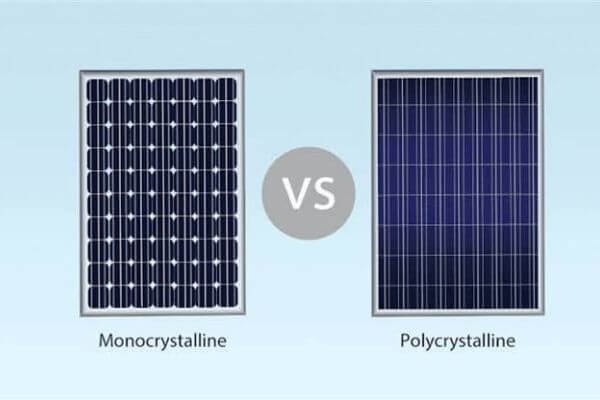
Solar energy is one of the fastest-growing renewable energy sources in the world. As climate awareness increases and technology continues to evolve, more households, businesses, and institutions are investing in solar power. But when people start researching solar panels, they often come across two terms that can be confusing: monocrystalline and polycrystalline solar cells.
Understanding the difference between these two technologies can help students, homeowners, and future energy professionals better understand how solar systems work and why certain panels are chosen over others.
What Are Solar Cells?
Solar panels generate electricity using photovoltaic (PV) cells, which convert sunlight into electrical energy. These cells are typically made from silicon, a semiconductor material that reacts when exposed to light.
When sunlight hits the solar cell, electrons in the silicon become energized and begin to move. This movement generates an electrical current that can be used to power homes, buildings, and devices.
The two most common types of solar cells used in panels today are monocrystalline and polycrystalline cells.
Monocrystalline Solar Panels
Monocrystalline solar panels are made from a single, pure silicon crystal structure. Because the crystal structure is uniform, electrons can move more freely through the material, making these panels more efficient.
Key characteristics of monocrystalline panels include:
- Higher energy efficiency
- Sleek, dark appearance
- Better performance in low-light conditions
- Longer lifespan in many cases
These panels are often used when roof space is limited, because they can produce more electricity per square meter compared to other types.
Polycrystalline Solar Panels
Polycrystalline panels are made from multiple silicon fragments melted together. Because the crystal structure is not perfectly uniform, electrons have slightly less freedom of movement compared to monocrystalline panels.
However, polycrystalline panels still offer several advantages:
- Lower manufacturing cost
- Good energy performance
- Reliable and widely used technology
For larger rooftops or installations where space is not a major concern, polycrystalline panels can still be an effective and affordable solution.
Which Type Is Better?
There is no universal answer to which panel type is “better.” The right choice depends on several factors, including:
- available installation space
- budget
- energy efficiency requirements
- climate and sunlight conditions
Monocrystalline panels typically offer higher efficiency and a more compact design, while polycrystalline panels are often more cost-effective.
Students studying sustainability, engineering, or environmental science often encounter these technologies as part of learning about renewable energy systems.
For readers interested in a more detailed explanation of the differences between these technologies, solee.dk provides a clear breakdown of how the two types of solar cells compare.
Why Solar Technology Matters for the Future
Renewable energy technologies like solar power are expected to play a major role in the global transition toward cleaner energy. Governments, universities, and companies are investing heavily in research to improve solar efficiency and reduce production costs.
For students, understanding these technologies can open doors to future careers in energy, engineering, sustainability, and environmental science.
Solar power is no longer just a niche technology—it is becoming an essential part of modern infrastructure and global climate solutions.
Read More: Understanding Solar Rebates and Incentives for Australian Homeowners
FAQ: Solar Panel Types
What is the main difference between monocrystalline and polycrystalline solar panels?
Monocrystalline panels are made from a single silicon crystal and are usually more efficient, while polycrystalline panels are made from multiple silicon fragments and are typically more affordable.
Which solar panel type lasts longer?
Both types are durable, but monocrystalline panels often have slightly longer lifespans and higher efficiency.
Are polycrystalline panels outdated?
No. Polycrystalline panels are still widely used and can be a cost-effective option for many installations.