
Understanding power station specifications is essential for selecting the right unit for home use, camping trips, or emergency preparedness. With so many numbers, acronyms, and port types, it can be confusing for someone unfamiliar with electronics. Learning how to interpret these specs helps ensure that a power station can handle the devices you need and last for the duration you expect. Proper knowledge allows better planning for charging, portability, and overall convenience in daily life. In this article, we break down the main specifications and features so you can confidently choose a power station that fits your needs.
- Understand Power and Energy
Watts (W) = Power Output (What it Can Run)
Watts indicate the maximum power a station can deliver at any moment. For instance, a 500W station can run devices like laptops, lights, or small fans simultaneously without overloading. It is important to match the wattage rating to the combined draw of the devices you intend to use. Exceeding the rated wattage can cause automatic shutdowns or damage the power station. Understanding wattage ensures that your appliances operate safely and reliably in everyday situations.
Watt-Hours (Wh) = Energy Capacity (How Long it Runs)
Watt-hours represent the total energy storage of the station and determine how long it can power devices. A 1,000Wh unit can theoretically run a 100W device for about 10 hours. Estimating your usage helps you choose a station that meets your daily or emergency needs. Adding a small buffer for inefficiencies ensures you don’t run out of power unexpectedly. Knowing Wh helps plan usage for extended trips, off-grid camping, or power outages at home.
- Check the Ports and Outlets
AC Outlets: For Household Appliances
AC outlets provide standard household voltage for devices like lamps, TVs, and small kitchen appliances. The number of outlets determines how many devices can be powered simultaneously. Using multiple devices at once requires checking the total wattage to avoid overload. These outlets make portable power stations versatile for indoor or outdoor use. Choosing a station with sufficient AC outlets ensures convenience during everyday tasks or emergency situations.
USB and DC Ports: For Phones, Laptops, and Small Devices
USB-A, USB-C, and 12V DC ports are critical for charging phones, tablets, cameras, and other electronics. USB-C with Power Delivery can charge laptops quickly, making it ideal for work or travel. 12V DC ports are useful for car fridges, GPS units, or small fans. Proper use of these ports prevents unnecessary strain on the battery and maximizes efficiency. Knowing which devices plug into which port simplifies daily charging routines.
- Look at Charging Inputs
AC Wall Charging Speed (Hours to Full)
AC wall charging time indicates how long it takes to fully recharge the station using a standard outlet. Faster charging allows the station to be ready again quickly, which is useful for weekend trips or after a power outage. Some stations offer multiple charging modes, including fast and slow options. Calculating the recharge time against your expected usage helps ensure uninterrupted power. This knowledge is key for planning back-to-back trips or emergency preparedness.
Solar Input Compatibility and Maximum Wattage
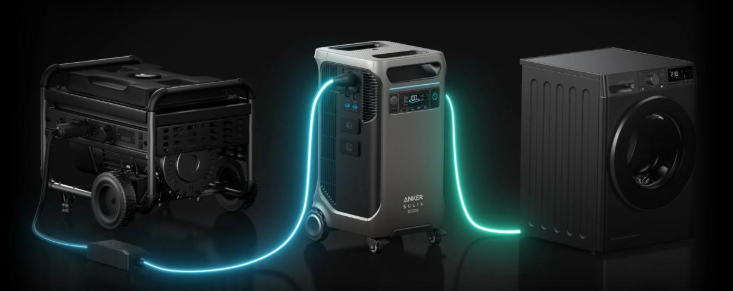
Solar input allows for off-grid recharging, making a portable power station ideal for camping, remote work, or extended outages. Take the Anker SOLIX F3800 Plus, for instance—it supports high-efficiency solar input of up to 3,200W (dual 165V) and can fully recharge in under two hours under optimal sunlight. Matching your solar panels to the station’s maximum input ensures efficient charging and prevents overloading. Understanding solar compatibility helps users plan truly portable, eco-friendly energy solutions, and a well-designed solar setup can keep your devices powered all day without ever needing a wall outlet.
- Consider Weight and Size
Capacity vs. Portability Trade-Off
Higher-capacity power stations provide longer runtime and more outlets but tend to be heavier. For backpacking or frequent transport, a lighter, smaller unit may be more convenient. Evaluating your usage scenarios helps balance energy needs with portability. Understanding this trade-off ensures the station is practical for both daily use and travel. Selecting the right size allows flexibility without sacrificing essential power.
Handle and Design for Ease of Transport
Design features like handles, wheels, or compact shapes improve portability. Well-designed units are easier to carry, fit into vehicles, and store when not in use. Ergonomic designs reduce strain during transport, especially when moving between home, car, or campsite. Considering these aspects ensures that your power station is accessible and convenient. Design choices impact daily usability as much as battery specifications.
- Review Safety and Warranty
Battery Type and Management System
Understanding the battery type (usually lithium-ion) and built-in management systems is critical. Management systems monitor temperature, voltage, and current, protecting both the station and connected devices. Safety features prevent overcharging, short circuits, and thermal runaway. Using a station with a reliable battery system increases confidence for daily and emergency applications. A robust system ensures safe operation under various loads.
Warranty Length and Coverage Details
Warranty length and coverage are important indicators of quality and reliability. Longer warranties often reflect confidence in the unit’s durability. Coverage details clarify whether defects, battery degradation, or accidental damage are included. Knowing warranty terms protects your investment and provides peace of mind. When choosing a station, consider the manufacturer’s support and repair options.
Conclusion
Reading power station specifications may seem overwhelming, but focusing on watts, watt-hours, ports, and charging inputs makes the process manageable. Solar compatibility, weight, portability, and safety systems are equally important for practical daily use. Understanding these specs ensures users select a station that meets their needs safely and effectively, making power truly portable.