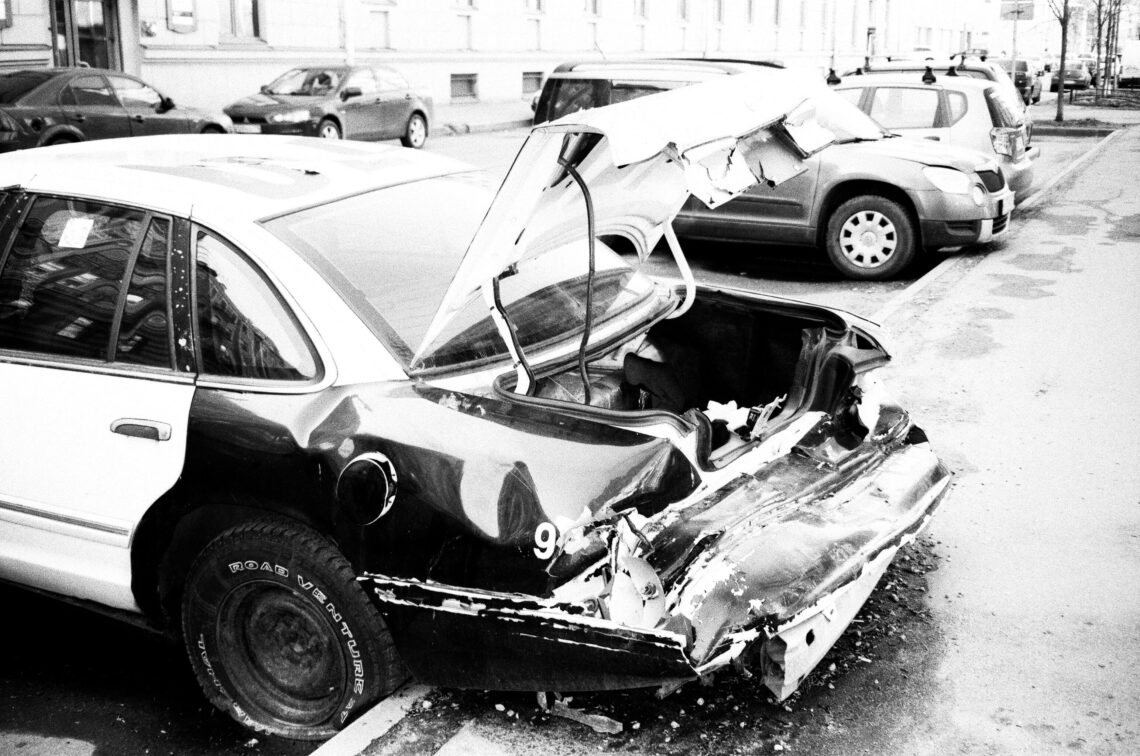
Have you ever found yourself in a car accident and suddenly had no idea what step to take first? In a world where traffic is heavier, insurance policies are more complex, and legal rules seem to change constantly, protecting your rights after a crash can feel overwhelming. One wrong move can affect your claim. In this blog, we will share practical steps to help you protect your legal rights after a car accident.
Stay Calm and Focus on Immediate Safety
The moments after a crash are often chaotic. Adrenaline spikes, traffic may still be moving, and emotions run high. In that confusion, the first priority is safety. Check yourself and others for injuries. Call emergency services if needed. Even if injuries seem minor, having medical professionals assess the situation creates an official record.
Move vehicles out of traffic if possible and safe. Turn on hazard lights. Small safety actions prevent further accidents and demonstrate responsibility.
Once immediate risks are addressed, gather information carefully. Exchange contact and insurance details with the other driver. Note the make, model, and license plate numbers of all vehicles involved. If there are witnesses, politely request their contact information.
Avoid arguing about fault at the scene. Stress and shock can cloud judgment. Let investigators and insurance companies review the facts. Statements made in anger or confusion may later complicate your case.
In recent years, distracted driving has become a leading cause of accidents. With smartphones always within reach, proving fault can involve reviewing phone records or traffic camera footage. That is one reason detailed documentation matters so much.
Document Everything While Details Are Fresh
Memory fades quickly after an accident. Protecting your rights means creating a clear record from the beginning.
Take photographs of the vehicles, damage, road conditions, traffic signs, and any visible injuries. Capture wide shots and close-ups. Even small details can become important later.
Request a copy of the police report once it becomes available. Review it carefully. If something appears inaccurate, follow the proper steps to request corrections.
Keep all medical records and receipts related to the accident. This includes ambulance bills, hospital visits, prescriptions, and physical therapy appointments. Lost wages should also be documented with employer verification.
Avoid posting about the accident on social media. Casual comments or photos may be misunderstood. Insurance companies sometimes monitor public posts when evaluating claims.
If your injuries are significant, consulting one of the best lawyers for injuries suffered in a car crash can provide guidance early in the process. An experienced attorney can explain your options, communicate with insurance companies on your behalf, and help you avoid mistakes that weaken your case.
Documentation is your strongest protection. When facts are clearly recorded, disputes become easier to resolve.
Seek Medical Attention Even If You Feel Fine
One common mistake after accidents is delaying medical care. Some injuries, such as whiplash or internal trauma, may not cause immediate pain. Waiting too long to seek treatment can harm both your health and your legal claim.
Insurance companies often question gaps in treatment. If you wait days or weeks to see a doctor, they may argue that your injuries were not serious or were unrelated to the accident.
Follow all medical advice closely. Attend follow-up appointments. Complete recommended physical therapy sessions. If you stop treatment early without medical clearance, insurers may claim you worsened your condition.
Keep a simple journal describing your symptoms, pain levels, and limitations. Note missed workdays and activities you can no longer perform. This written record provides context beyond medical charts.
Healthcare costs have increased nationwide, which means accident-related expenses can accumulate quickly. Acting promptly ensures that your injuries are properly evaluated and documented.
Communicate Carefully With Insurance Companies
Insurance adjusters often contact accident victims soon after a crash. Their tone may be friendly and reassuring. However, their responsibility is to their company.
When speaking with insurance representatives, provide factual information only. Avoid guessing or speculating about fault. Do not agree to recorded statements without understanding the potential consequences.
Quick settlement offers may seem helpful, especially if bills are arriving. However, early offers often fail to account for long-term medical needs or lost earning capacity.
Ask for all settlement offers in writing. Review them carefully. Consulting legal counsel before accepting compensation is wise, especially for serious injuries.
The insurance industry has adopted digital tools that speed up claims processing. While efficiency can be positive, it can also create pressure to resolve cases quickly. Protecting your rights requires patience and informed decision-making.
Protect Your Financial Stability
Car accidents often create financial strain. Medical bills, vehicle repairs, and lost wages can pile up quickly.
Review your insurance policies carefully. Some policies include personal injury protection or uninsured motorist coverage that may apply.
Track all expenses related to the accident. This includes rental car fees, towing costs, and travel expenses for medical visits.
Avoid major financial commitments while your claim is pending. Settlement timelines can vary, and relying on anticipated compensation is risky.
If you are unable to work, ask your employer about short-term disability options or leave policies. Maintaining clear communication with your workplace protects your employment status.
Economic uncertainty has made financial planning more important than ever. A single accident can disrupt savings. Careful documentation and budgeting provide stability during recovery.
Be Aware of Comparative Fault Rules
In many states, compensation can be reduced if you are found partially at fault for the accident. This is known as comparative negligence.
For example, if you are determined to be twenty percent responsible, your compensation may be reduced by that percentage. Understanding these rules highlights the importance of thorough evidence collection.
Accurate accident reconstruction, witness statements, and expert testimony can influence fault determinations. Legal representation becomes especially valuable in complex cases.
Focus on Recovery While Protecting Your Case
Physical and emotional recovery should remain central. Legal matters are important, but healing takes priority.
Follow medical recommendations. Maintain communication with your legal representative. Stay organized with paperwork.
Stress can intensify after an accident. Sleep disruption, anxiety about driving, and frustration about financial uncertainty are common. Seeking counseling or support groups can aid emotional recovery.
Avoid discussing your case casually with acquaintances. Misinformation can spread quickly. Keep conversations limited to trusted advisors and professionals.
Protecting your legal rights after a car accident requires awareness, patience, and careful action. From immediate documentation to thoughtful communication with insurers, each step builds a stronger foundation for fair resolution. When you approach the situation methodically and seek appropriate guidance, you increase your chances of securing the compensation and stability needed to move forward.