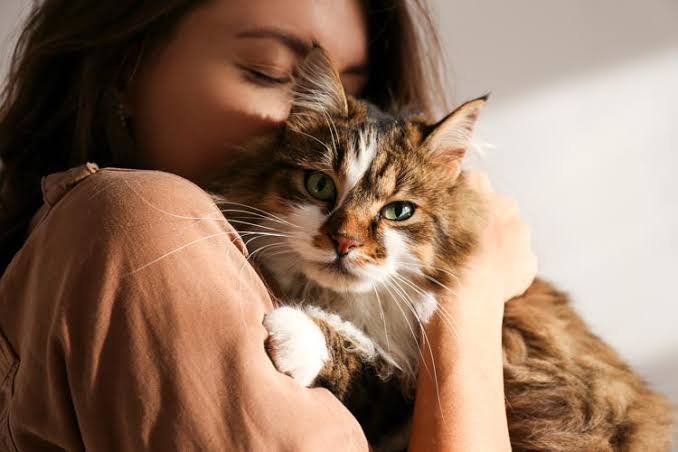
If you rely on your cat for emotional comfort, you may be wondering whether they can legally qualify as an emotional support animal (ESA). The short answer is yes, but not in the way many websites claim. There is no registry, certification, or training course that turns a cat into an ESA. The process is medical and legal, not cosmetic.
Understanding how ESAs work helps you avoid scams and set realistic expectations from the start. This guide walks you through the process of legally ensuring your cat gains the status of an emotional support animal.
What Is an Emotional Support Animal?
An emotional support animal, commonly known as an ESA, is a companion animal that provides emotional or psychological benefit to someone with a qualifying mental or emotional health condition. Unlike service animals, ESAs are not trained to perform specific tasks.
ESAs are legally recognized under federal housing laws, which means they can receive certain accommodations that regular pets do not. However, they do not have public access rights and are not allowed in places where pets are typically prohibited, such as restaurants or stores.
Can a Cat Be an Emotional Support Animal?
Yes, cats can qualify as emotional support animals just like dogs. There is no species restriction under federal ESA guidelines. What matters is the role the animal plays in supporting your mental or emotional health.
Cats are commonly approved as ESAs because of their calming presence, predictable routines, and ability to reduce anxiety and stress. While they do not need formal training to be ESAs, behavior still matters. An emotional support cat must be manageable, non-aggressive, and able to live safely in shared housing environments.
Steps to Make My Cat an Emotional Support Animal Legally
To legally make your cat an emotional support animal, you must receive an ESA letter from a licensed mental health professional (LMHP). This professional evaluates whether you have a qualifying condition and whether an emotional support animal is appropriate for your situation.
The ESA letter must include specific information, such as the provider’s license details and confirmation that the animal is part of your treatment plan. Letters purchased from instant online “registries” without a real clinical evaluation do not meet legal standards and are often rejected by landlords.
Please note that some states impose additional safeguards, such as requiring an established relationship with the licensed mental health professional for a minimum period, often 30 days, before an ESA letter can be issued.
If you are serious about registering your cat as an emotional support animal, we recommend going through this in-depth guide on emotional support cats. It explains the process clearly and provides a detailed breakdown of how ESAs are evaluated, documented, and protected under housing law.
Housing and Travel Rights for Emotional Support Cats
Emotional support cats are protected under the Fair Housing Act (FHA). This law requires landlords to make reasonable accommodations for tenants with ESAs, even in buildings with no-pet policies.
That said, please note that landlords can request a valid ESA letter, but they cannot demand details about your diagnosis or charge pet fees for your emotional support cat. However, ESAs must not cause damage or pose a safety risk to others.
In contrast, travel rights are more limited. Emotional support animals are no longer guaranteed access to airplane cabins. Most airlines now treat ESAs as pets, with standard carrier rules and fees. We suggest that you always check airline policies before assuming accommodations apply.
Responsibilities of Having an Emotional Support Cat
Having an emotional support animal comes with responsibilities. You must keep your cat under control. If your cat constantly screams, destroys the property, or attacks other tenants, the landlord can legally move to evict the animal. Plus, you are financially responsible for any damage the cat causes to the unit.
You must also keep up with basic care. This includes vaccinations and flea prevention. If you live in a multi-unit building, ensure your cat doesn’t create odors that bother neighbors. Being a responsible owner makes it much easier for landlords to respect your legal rights.
Final Tips on How to Make My Cat an Emotional Support Animal
Making your cat an emotional support animal starts with an honest assessment of your needs. Start the process early, and steer clear of scam websites that promise “registration” in minutes.
A real ESA letter comes from a human professional who has evaluated your mental health needs. Once you have that document, you can enjoy the comfort of your cat without the fear of being forced out of your home.