Growing out a short haircut is one of those beauty journeys that sounds simple in theory—just stop cutting it—but can feel painfully awkward in real life. The in-between stages, especially when your hair doesn’t quite sit right, can test anyone’s patience. The good news: with smart shaping, strategic styling, and a few clever helpers (including options like curly salt and pepper wigs or a sleek short silver wig), you can move from cropped to longer hair while still looking polished and intentional at every step.
1. Start With a “Plan Cut,” Not Just a Grow-Out
Before you begin, it’s worth getting one more intentional haircut. Tell your stylist clearly: you’re growing it out. Ask them to:
- Even out extreme shapes (like undercuts or asymmetrical sides)
- Soften harsh lines that will look bulky as they grow
- Add subtle layers so new length blends instead of creating a heavy shelf
Think of this as your “starting line” haircut. A well-structured base makes every growth stage look better and reduces those truly awkward weeks.
2. Trim Strategically, Not Frequently
It’s a myth that constant trims make your hair grow faster. Hair growth comes from your scalp, not the ends. What trims do is keep your hair’s shape and ends healthy.
While growing out a short cut:
- Trim every 8–12 weeks, not every 4–6
- Ask for micro trims that remove only the driest ends
- Focus on shaping, especially around the neck and ears, where hair can look messy quickly
The aim is to maintain a flattering outline while gaining length overall. That way, your hair looks “styled short” rather than “accidentally growing out.”
3. Let the Back Catch Up
One of the most frustrating phases is when the back of your hair grows faster than the front, creating a mullet-like shape. To avoid this:
- Have your stylist trim the back more often while letting the front and top grow
- Keep the neckline clean and tapered
- Allow fringe and front pieces to grow freely to eventually match the length behind
This trick makes the overall silhouette look deliberate and helps you seamlessly transition from a pixie to a bob shape.
4. Use Transitional Styles: From Pixie to Bob to Lob
Instead of thinking “short vs long,” break the process into stages and aim for specific hairstyles at each step.
Common grow-out path:
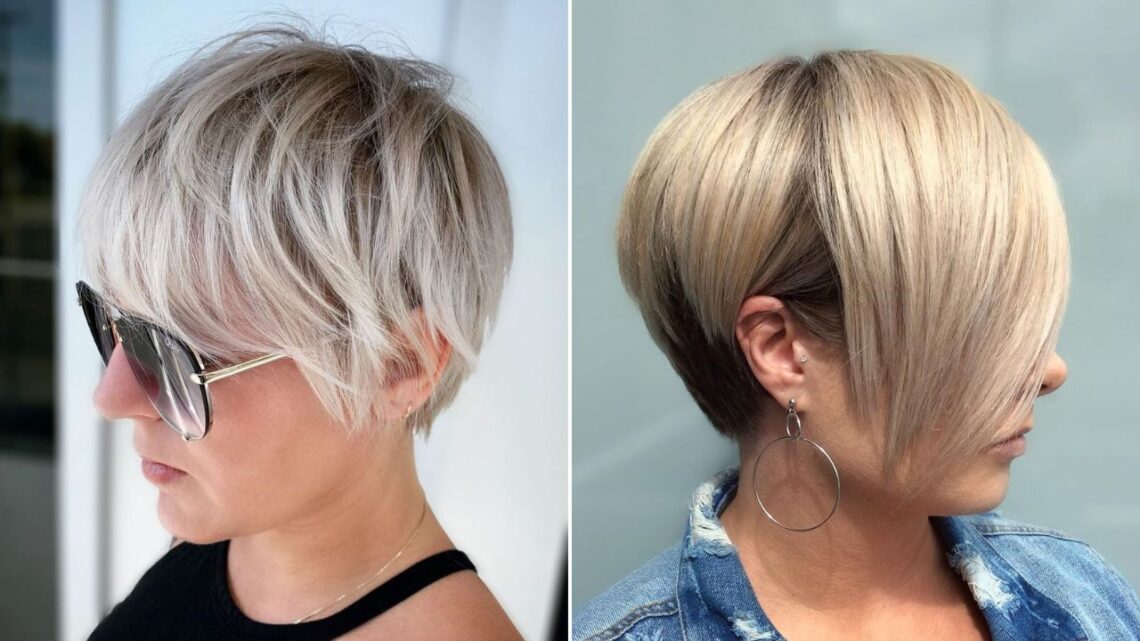
- Pixie – Short sides, cropped back, longer top
- Pixie-bob – Sides and back gaining length, top still slightly longer
- Short bob – Hair roughly jaw-length, more even overall
- Lob (long bob) – Hair grazing shoulders or collarbones
At each stage, ask your stylist: “What is the most flattering shape with my current length?” Not every grow-out needs to look identical; your bone structure, hair texture, and lifestyle all matter.
5. Styling Tricks to Survive Awkward Lengths
During grow-out, styling becomes your best friend. A few simple techniques can transform “meh” hair into something chic.
Texture products
- Use mousse, sea salt spray, or texturizing cream to add grip and movement. This helps awkward layers look intentional instead of messy.
Parting changes
- Try a deep side part, a slightly off-center part, or even slicking hair back. A new part can disguise uneven length and give you a fresh look without cutting.
Pinned-back sections
- When fringe or side pieces are almost-but-not-quite the right length, use bobby pins or small clips to secure them. Twist or pin them back for a polished finish.
Soft waves
- Gentle waves can blend layers and make in-between lengths look styled. Use a curling iron on low heat or heatless methods like braids overnight.
6. Use Wigs as Style “Shortcuts”
If some stages feel especially challenging—or you simply want more variety—wigs can be a game-changer. Modern wigs, especially human hair options, can look incredibly natural and let you experiment with styles you don’t have yet.
Curly Salt and Pepper Wigs: Volume, Texture, and Character
If you like the look of curls and are open to embracing gray tones in a stylish way, curly salt and pepper wigs can be a beautiful option while growing out your hair. They:
- Provide instant length and volume when your real hair is still short
- Add rich texture, which distracts from any awkwardness underneath
- Allow you to explore a sophisticated, multi-tonal gray look without committing chemically
Curly salt and pepper wigs are especially helpful if your own hair is in that tricky mid-length stage where styling is a chore. You can tuck your hair away underneath and enjoy a full, glamorous style for work, events, or photos, while still letting your natural hair grow out quietly.
Short Silver Wig: Sleek, Modern, and Effortless
If your goal is something chic and streamlined, a short silver wig offers a different kind of solution. It’s ideal if you:
- Want a sharp, modern look while your own hair is in transition
- Are curious about silver or gray hair but not ready to dye
- Prefer low-fuss styling—pop it on, and your hair looks “done” instantly
A short silver wig works especially well with structured outfits, office wear, or minimal makeup looks. It can become your style signature while your natural hair lengthens underneath, giving you full control over how you present yourself during the grow-out process.
7. Care for Your Hair Like It’s Already Long
The healthier your hair, the better it looks at every length. Start treating it as if it’s already long:
- Use gentle, sulfate-free shampoos and hydrating conditioners
- Reduce heat styling and always apply a heat protectant when you do
- Avoid tight hairstyles that pull on fragile roots
- Consider scalp massages with lightweight oils to support a healthy scalp environment
Healthy hair shines, lays better, and looks less fluffy or frizzy in awkward phases, so even in-between cuts feel more intentional.
8. Adjust Expectations and Celebrate Milestones
Growing out a short haircut takes time. On average, hair grows about 1–1.5 cm per month. That means:
- From a very short pixie to a proper bob can take 6–12 months
- From pixie to shoulder-length often takes close to a year or more
Instead of waiting for the “final length,” celebrate each milestone style: the first time you can tuck pieces behind your ears, the first mini ponytail, or the first time you can style a loose bun.
On days you feel stuck, using curly salt and pepper wigs or a sleek short silver wig can help you see yourself differently, giving you a fresh look while your own hair continues its quiet progress.
Growing out a short haircut doesn’t have to be a long stretch of bad hair days. With thoughtful shaping, smart styling, and the clever use of wigs as temporary style solutions, you can move through each stage looking intentional, polished, and confident—turning what could be an “awkward phase” into a series of evolving, stylish looks.