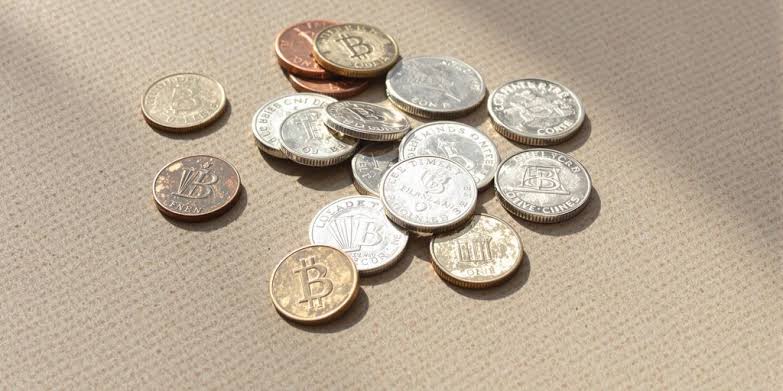
Purchasing precious metals through digital channels requires more caution than buying regular products. The combination of high value, shipping logistics, and seller verification creates unique challenges that don’t exist with typical online shopping. When you buy silver coins online, you’re trusting not just the seller’s honesty but their operational security, supply chain integrity, and customer service capabilities. The Better Business Bureau receives about 1,200 complaints annually related to precious metal dealers, with most issues stemming from delivery problems or product authenticity questions. Knowing how to evaluate sellers, verify products, and protect your investment after delivery determines whether your experience ends in satisfaction or frustration.
Vetting dealers before you purchase
Start with established names that have been around for at least a decade. APMEX, founded in 1999, or JM Bullion, operating since 2011, have track records you can verify. Check their BBB rating, but also look at independent review sites like Trustpilot where customers can’t be easily censored. I tend to ignore perfect 5-star ratings because they seem fake. Look for 4.2 to 4.6 averages with detailed reviews that mention specific products.
Verify their physical address and phone number. Call them with a basic question to test response time and knowledge level. Legitimate dealers answer phones during business hours and can discuss premiums, shipping times, and product specifications without hesitation. If you get voicemail or offshore call centers, that’s a red flag.
Check if they’re members of industry organizations like the Professional Numismatists Guild or the Industry Council for Tangible Assets. Membership doesn’t guarantee perfection, but it shows they’re willing to be held to professional standards.
Understanding secure payment methods
Never use wire transfers or cryptocurrency for first-time purchases with unfamiliar dealers. These payment methods offer zero buyer protection. Credit cards provide chargeback rights if something goes wrong. Some platforms like PayPal offer additional purchase protection, though many dealers charge extra fees for credit card payments because of processing costs.
Bank checks or money orders sit somewhere in the middle. They’re cheaper than credit cards but offer less protection. Many experienced buyers use checks for large orders with established dealers to save 3-4% in credit card fees, but only after building trust through smaller transactions.
Watch out for deals that seem impossibly cheap. Silver trades on global markets with transparent spot pricing. If someone’s offering American Eagles for $2 under spot price when everyone else is $3 over, something’s wrong. Either the coins are counterfeit or the seller plans to take your money and disappear.
Proper storage solutions at home
The worst thing you can do is leave silver coins in their shipping box in a closet. Temperature fluctuations and humidity cause toning and deterioration. Silver needs stable conditions, ideally between 35-50% humidity and consistent room temperature.
For collections under $5,000, a good quality home safe bolted to floor joists works fine. Stack-On or SentrySafe models rated for fire protection cost $300-600 and deter casual theft. Keep it in a basement or interior closet, not the master bedroom where thieves look first.
Individual coins should go in protective capsules or tubes to prevent scratching. Monster boxes (500-coin containers from mints) can stay sealed if you’re not handling the coins. Once you break the seal, each coin should get its own protection.
Don’t tell people you own silver. Seriously, the biggest security risk is someone knowing you have valuables at home. No social media posts, no casual mentions to neighbors or relatives who might let it slip.
When to consider outside storage
Once your collection exceeds $10,000-15,000, home storage becomes risky. A proper safe deposit box at a bank costs $50-200 annually and provides better security than anything you’ll install at home. The downside is access. Banks have limited hours and you can’t grab your silver quickly in an emergency.
Private vault services like Brinks or Loomis offer allocated storage where your specific coins are segregated and insured. Fees run about 0.5-1% of value annually. Some dealers offer storage programs, though I’m cautious about keeping silver with the same company I bought it from. If they go bankrupt, your metals might get tied up in legal proceedings.