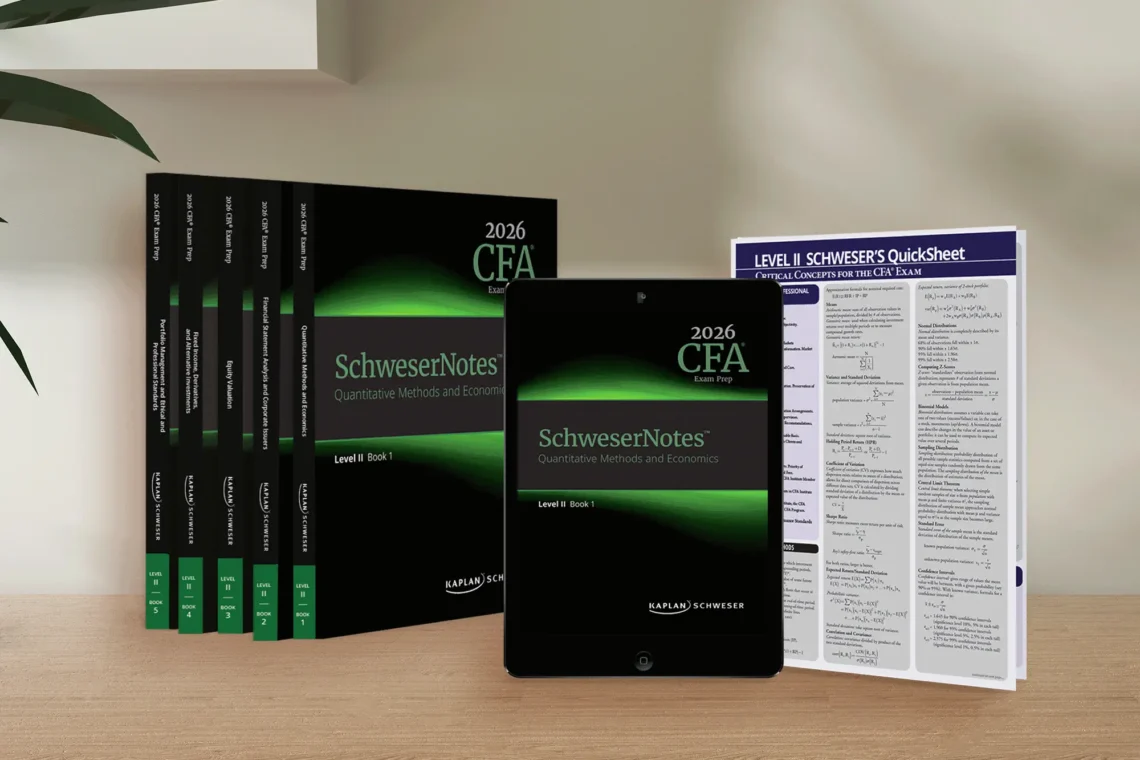
Building a winning CFA study plan in 2026 needs more than long study hours. This requires structure, adaptability, and understanding of the evolving syllabus-exam pattern. Owing to the importance of application, informed decision-making based on data, and ethics, the contestants must address the learning concepts.
The pass in the Chartered Financial Analyst program in 2026 would depend on strategic preparation, persistent practising with effective study materials, such as question banks, and frequent revision. Combining the syllabuses at strategic stages, focusing on achievable weekly goals, and employing spaced repetition techniques would improve recall.
7 Practical Ways to Streamline Successful CFA Study Plan in 2026
1. Understand Curriculum and Exam Weightings
Before you begin the process of learning, you must be aware of the course of study and the CFA course fees at the relevant level in 2026. Each level has a different emphasis on subject areas, learning outcome statements, and exam formats. When you complete the Institute’s course of study, you will be able to identify areas of strong subject emphasis, such as Ethics, Portfolio Management, and Financial Reporting & Analysis.
Moreover, it is equally pertinent to note the relevance of ascertaining the advantages that exam test modalities possess over memorization.’ For the year 2026 and any subsequent years, the exam method retains the emphasis on scenario-test questions and decision-making skills.
2. Create a Long-Term Study Timeline (9–12 Months)
A winning CFA study plan begins with a realistic timeline that spans 9 to 12 months, depending on your background and daily availability. Instead, the curriculum can be divided into achievable goals for the week rather than being bombarded with too many subjects. The risk of burning out is lessened, and progress can flow effectively. Of particular importance is for people who hold full-time jobs.
Your timeline must include buffer weeks for the revision and unexpected disruptions! Chartered Financial Analyst prep is a marathon; hence, flexibility is key. By planning, you give yourself freedom to slow down on complex topics such as Derivatives or Fixed Income without compromising on overall preparation.
3. Focus on Ethics from Day One
Ethics isn’t just another topic in the Chartered Financial Analyst syllabus; it is a decisive factor in passing the exam. Beginning Ethics early on enables repeated revision, which is essential, as Ethics questions test judgment rather than straightforward calculations. Early exposure helps you internalise the Institute’s Code of Ethics and Standards of Professional Conduct.
Furthermore, Ethics serves as a tie-breaker in borderline pass/fail cases! Consistently revisiting Ethics across your study plan strengthens your confidence in managing nuanced scenarios. Integrating Ethics practice with other subjects rather than leaving it for the end is a proven strategy among a few successful candidates.
4. Use Active Learning Instead of Passive Reading
Simply reading the CFA material isn’t enough to pass the 2026 CFA exam. Active learning, such as working on end-of-chapter problems, creating a statement describing the concepts, and teaching topics aloud, can help. Active learning actively engages with the material and highlights areas where knowledge is lacking.
Moreover, practice questions help the candidate adjust to the exam’s logic and speaking style. Solving regular problems helps the mind learn to apply concepts under time pressure. Over time, this builds exam-ready confidence and minimizes the shock of facing complex vignettes or item sets.
5. Strengthen Weak Areas with a Topic-Wise Strategy
Every Chartered Financial Analyst candidate has strong and weak subjects! A novel learning schedule focuses on areas of weakness and dedicates extra time to them rather than treating all areas equally. If the areas of Quantitative Methods or Derivatives are considered tough, dedicate extra practice hours to those areas.
Meanwhile, avoid neglecting strong subjects! Regular light revision helps maintain accuracy and speed. This balanced approach ensures you meet the minimum score threshold across all topics, which is key to passing all three level exams.
6. Incorporate Regular Revision Cycles
Revision should not be, but should be incorporated in your schedule every week and every month! Weekly revisions help learn previously covered materials, while monthly revisions help form links between various subjects.
Additionally, by the last 6 to 8 weeks leading to the exam, spend most of your time studying. This is because at this point, you will need to focus most of your study time on applying concepts to understand, fix errors, and improve performance on the exam through repetition.
7. Practice with Mock Exams Under Real Exam Conditions
Mock exams are one of the most powerful tools in the Chartered Financial Analyst course prep! The simulated exams done in the entire length test your readiness in the mocks done under timed conditions.
Take a brief look at your errors after every mock test. It will help you determine whether you flunked due to a knowledge problem, carelessness, or timing issues. It will help you identify areas to develop so you do not repeat mistakes on the actual test.
Conclusion
A successful CFA study strategy in the year 2026 requires discipline, flexibility, and time management. By identifying appropriate study goals, a well-structured study schedule, emphasis on understanding the concepts, and frequent tests of how you are learning, you will remain at an edge no matter how tough the examination is. Contact the Zell Education team to learn more about CFA course fees and program scope.
FAQs
1. Should I rely only on Institute materials?
Chartered Financial Analyst Institute materials are crucial, but third-party notes can save time.
2. Can working professionals crack the CFA with limited time?
Yes, leveraging short daily study slots and focused weekend sessions.
3. How often should I revise during CFA preparation?
Focus on scheduling weekly revisions and monthly reviews for maximum retention.