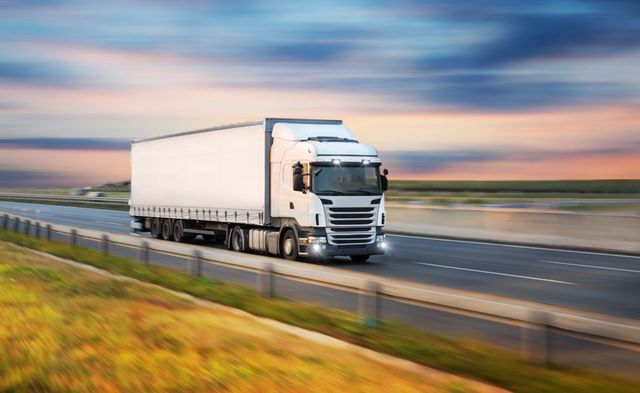
The truck Australia industry moves approximately 76% of the nation’s domestic freight by weight according to the Australian Bureau of Statistics. That’s over 230 billion tonne kilometers annually, a measurement representing one tonne moved one kilometer. Without trucks, grocery store shelves would empty within three days. Construction sites would halt immediately. Manufacturing plants would stop production. The industry’s economic contribution exceeds $70 billion yearly, employing more than 600,000 people directly and indirectly. Understanding how this industry operates reveals critical insights into Australia’s economic infrastructure.
The massive scale of operations
Australia’s geography creates unique challenges for trucking. Moving goods from Sydney to Perth spans 3,935 kilometers of mostly remote terrain. Darwin to Adelaide covers 3,027 kilometers through even more isolated areas. These distances dwarf typical hauls in Europe or North America relative to population density and economic activity.
The Australian trucking fleet comprises approximately 615,000 registered trucks including rigid trucks, articulated trucks, and prime movers. About 98,000 of these are heavy vehicles exceeding 4.5 tonnes gross vehicle mass. The industry operates around the clock with many long haul routes running on tight schedules where delays cascade through supply chains affecting multiple businesses.
Truck movements peak during harvest seasons when agricultural products need transport to ports and processing facilities. A single grain harvest in Western Australia might generate 15 to 18 million tonnes requiring transport, mostly by truck. The industry scales capacity to handle these seasonal fluctuations while maintaining year round services for other sectors.
Infrastructure dependencies and challenges
Trucks depend entirely on road infrastructure quality. Poor road conditions increase maintenance costs, reduce fuel efficiency, and slow travel times. The National Heavy Vehicle Regulator estimates that rough roads can increase vehicle operating costs by 15 to 25% through accelerated tire wear, suspension damage, and increased fuel consumption.
Australia invests heavily in maintaining road networks but struggles to keep pace with heavy vehicle impacts and expanding freight volumes. The Australian Logistics Council estimates the nation needs approximately $20 billion in freight infrastructure upgrades over the next decade to prevent bottlenecks from constraining economic growth.
Rest area availability affects operations significantly too. Heavy vehicle drivers must take regulated rest breaks after specified driving periods. Insufficient rest areas force trucks to park in unsafe locations or delay trips waiting for facilities to become available. The National Transport Commission continues working with state governments to expand rest area networks along major freight corridors.
Regulatory environment complexities
Australian trucking operates under complex regulatory frameworks covering vehicle standards, driver hours, mass and loading requirements, and safety systems. The National Heavy Vehicle Law attempts to harmonize regulations across states, but variations still exist creating compliance challenges for interstate operators.
Mass limits vary by vehicle configuration and road network. Standard B Double combinations can legally operate at 62.5 tonnes on approved routes. Performance Based Standards vehicles achieving higher safety and infrastructure protection standards can operate at higher masses, sometimes exceeding 80 tonnes on specific routes. Operators must carefully plan routes ensuring their vehicle configurations comply with mass limits for every road they traverse.
Chain of Responsibility legislation holds everyone in the supply chain accountable for breaches including consigners, loading managers, schedulers, and company executives. This shared responsibility aims to prevent unsafe practices where companies pressure drivers to speed or overload vehicles. Penalties can reach $300,000 for individuals and $3 million for corporations.
Technology adoption transforming operations
Modern trucks incorporate technology that would’ve seemed futuristic a decade ago. Electronic logging devices automatically record driver hours, replacing paper logbooks and improving compliance while reducing administrative burden. GPS tracking systems let transport companies monitor fleet locations in real time, optimizing routing and providing customers with accurate delivery estimates.
Telematics systems monitor vehicle performance collecting data on fuel consumption, engine hours, harsh braking events, and maintenance needs. This data helps operators identify inefficient driving behaviors and schedule preventive maintenance before breakdowns occur. Some systems predict component failures days or weeks in advance based on performance data patterns.
Read More: How the trucking industry continues to shape transport across the country