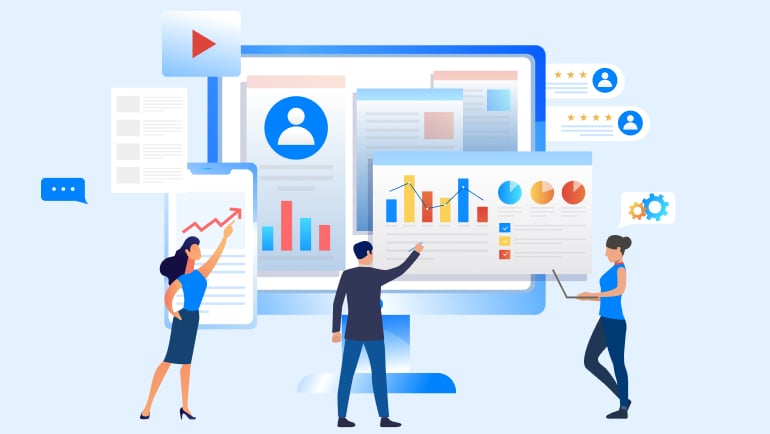
Trends report indicates companies using advanced HR analytics tools demonstrate 23% higher revenue growth and 19% better employee retention compared to organizations relying on manual reporting methods. Implementing reliable HR reporting software transforms how organizations analyze workforce data and make strategic people management decisions. The software category encompasses solutions that aggregate data from multiple HR systems, generate customizable reports, and provide predictive analytics supporting proactive workforce planning. Key capabilities include real-time dashboard access, automated compliance reporting, and trend analysis across metrics like turnover, absence patterns, and recruitment effectiveness. Understanding how reporting tools integrate with existing HR infrastructure and deliver actionable insights determines whether implementations provide genuine strategic value or simply create additional administrative overhead.
Data Consolidation from Multiple Sources
Modern HR reporting software excels at pulling data from disparate systems that many organizations use. Payroll platforms, applicant tracking systems, performance management tools, and time tracking software often operate independently, creating data silos that make comprehensive analysis difficult.
Quality reporting solutions integrate with these various systems through APIs or direct database connections, creating unified data repositories that enable cross-system analysis. This integration eliminates manual data compilation that consumes enormous HR staff time while introducing error risks.
The consolidation capability matters particularly for organizations managing multiple locations or business units. Being able to compare metrics across regions, departments, or facilities provides insights impossible when data remains segregated in separate systems.
I’ve seen HR teams spend days each month manually pulling data from various sources and reconciling discrepancies before they can even begin analysis. Automated consolidation eliminates this preparatory work, freeing staff for actual strategic analysis rather than data wrangling.
Real-Time Access to Workforce Metrics
Traditional HR reporting often involves weekly or monthly reports generated through manual processes that become outdated before distribution. Modern reporting software provides real-time dashboard access where stakeholders can view current metrics whenever needed.
This immediacy enables faster response to emerging workforce issues. If turnover suddenly spikes in a specific department, managers can identify the problem immediately rather than discovering it weeks later in a monthly report when the situation has worsened.
Real-time access also supports better decision-making during routine business processes. Hiring managers can view current headcount against budget allocations before approving new requisitions. Department heads can monitor overtime trends before costs become problematic.
The self-service aspect of modern dashboards reduces demands on HR teams to create custom reports. Managers with appropriate permissions can generate needed reports independently, distributing HR workload more efficiently across the organization.
Predictive Analytics for Workforce Planning
Advanced reporting tools have moved beyond descriptive analytics that explain what happened to predictive capabilities that forecast future trends. This shift represents a significant evolution in how organizations approach workforce planning.
Predictive models can identify employees at high risk of leaving based on patterns in engagement survey data, tenure, promotion history, and other factors. This early warning system allows proactive retention efforts before valued employees give notice.
Hiring forecasting represents another valuable predictive application. By analyzing historical hiring patterns, seasonal variations, and growth trends, software can project future recruitment needs with reasonable accuracy. This foresight supports better resource planning and reduces reactive scrambling when positions open unexpectedly.
Workforce cost projections incorporate multiple variables including scheduled raises, typical turnover patterns, and benefit cost trends to forecast labor expenses months in advance. This information supports budgeting processes and strategic planning around headcount changes.
Compliance Reporting and Audit Trails
Regulatory compliance represents a significant concern for HR departments, with requirements varying across jurisdictions and industries. Reporting software simplifies compliance through automated report generation and comprehensive audit trails.
Equal employment opportunity reporting, wage and hour compliance documentation, and benefit administration records all require specific formats and data points. Quality software generates these reports automatically from existing HR data, ensuring accuracy and consistency while saving preparation time.
Audit trails tracking every data change with timestamps and user identifications provide essential documentation for regulatory inquiries or legal proceedings. These automated logs capture details that manual systems often miss or record inconsistently.
The compliance support particularly benefits organizations operating across multiple jurisdictions with different regulatory requirements. Software can generate location-specific reports meeting local regulations without requiring HR staff to maintain expertise in every jurisdiction’s requirements.
Customizable Dashboards and Report Templates
Different stakeholders need different views of HR data. Executives want high-level summaries, department managers need detailed team metrics, and HR specialists require access to granular individual-level information. Effective reporting software accommodates these varied needs through customizable interfaces.
Role-based dashboards present relevant metrics to each user type automatically. Executives might see company-wide turnover rates and headcount trends, while managers view team-specific performance distributions and absence patterns. This targeted presentation makes information more accessible and actionable.
Custom report templates allow organizations to standardize how specific metrics are presented and shared. Rather than recreating reports from scratch each period, users can generate updated versions of established templates with current data, ensuring consistency in format and metrics tracked over time.
The customization capability extends to calculation methods and metric definitions. Organizations can configure how metrics like time-to-hire or cost-per-hire are calculated to match their specific business logic rather than being constrained by vendor-imposed definitions.
Read More: Why IT Teams Use Email Signature Software for Better Control and Consistency
Trend Analysis and Historical Comparisons
Understanding whether current metrics represent improvements or deteriorations requires historical context that reporting software provides through trend analysis capabilities. Simple period-over-period comparisons reveal patterns and anomalies that single data points cannot show.
Multi-year trend views help distinguish temporary fluctuations from sustained changes requiring strategic response. If turnover increased briefly during a single quarter, that might not warrant concern. However, a gradual upward trend over multiple years indicates systematic issues needing attention.
Benchmark comparisons against industry standards or internal historical performance provide context for interpreting metrics. Is 15% annual turnover good or bad? The answer depends on industry norms, company history, and role types, all factors that sophisticated reporting tools help analyze.