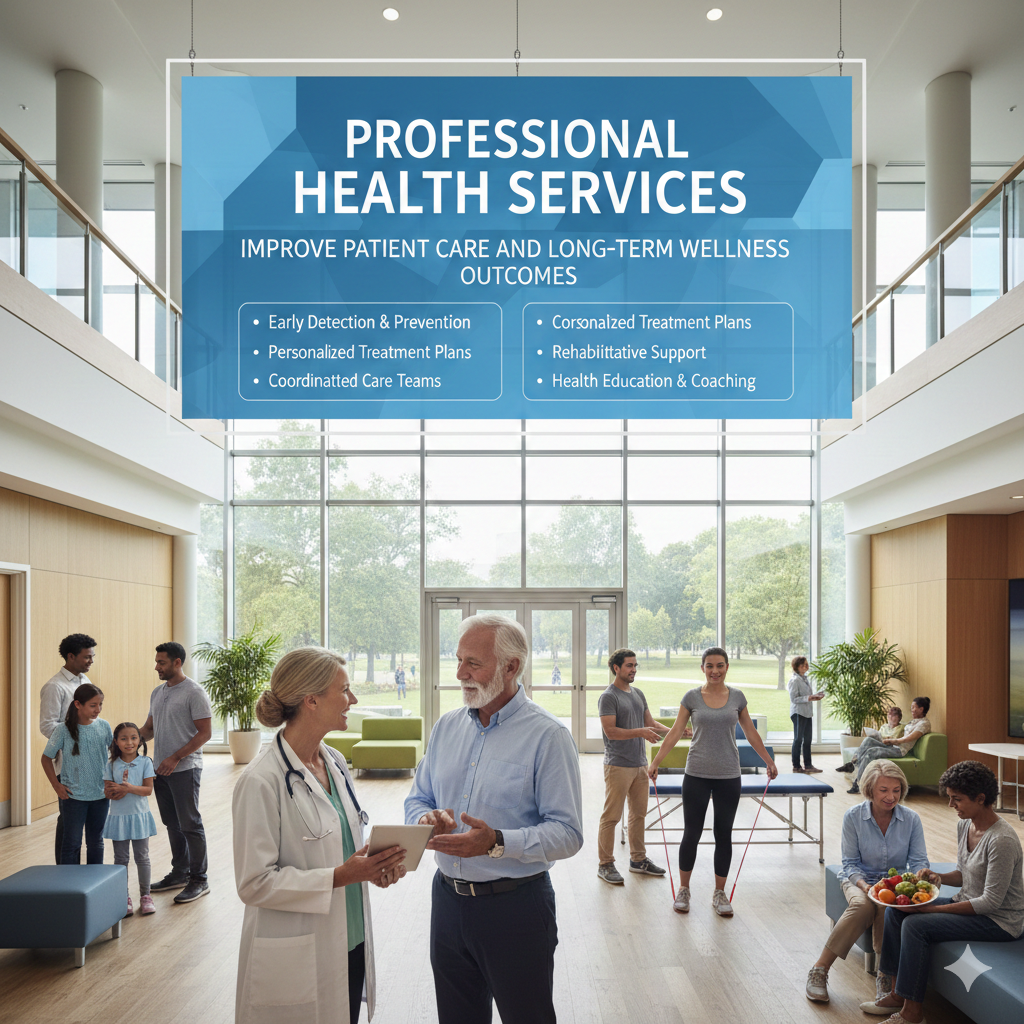
When most people think about healthcare, they picture a doctor’s appointment when something feels wrong. A sore throat that won’t go away. Back pain that’s getting worse. A test result that needs explaining. But professional health services go far beyond treating illness at the moment. They play a powerful role in shaping long-term wellness, preventing future problems, and helping individuals live healthier, more confident lives.
From local clinics and allied health providers to larger medical networks, structured and coordinated care can make the difference between simply “managing symptoms” and genuinely improving quality of life. Let’s take a closer look at how this works in everyday life.
Early Detection and Preventive Care Make a Big Difference
One of the most important ways health services improve outcomes is through prevention and early detection.
Think about routine check-ups. Many people skip them because they “feel fine.” But conditions like high blood pressure, diabetes, and certain heart issues often develop quietly. By the time symptoms appear, the problem may already be advanced. Regular screenings, blood tests, and physical assessments catch issues early—when they are easier and less costly to manage.
For example, a construction worker who visits a clinic for a standard physical might discover early signs of hypertension. With lifestyle advice and simple treatment, they can reduce the risk of more serious conditions such as cardiovascular disease. Without that early intervention, the long-term health and financial impact could be significant.
Preventive care also extends beyond physical health. Mental health screenings, ergonomic assessments in office environments, and workplace injury prevention programs all fall under structured healthcare support. Businesses that invest in employee health services often notice fewer sick days and improved productivity—because healthy people perform better.
Coordinated, Multidisciplinary Care Improves Outcomes
Modern healthcare is rarely about just one professional working alone. Complex health needs require coordinated care.
Imagine someone recovering from a car accident. They may need a general practitioner for overall management, a physiotherapist for rehabilitation, a psychologist for trauma support, and possibly a specialist for ongoing evaluation. When these professionals communicate and work together, recovery tends to be faster and more complete.
This coordinated approach is especially important for people living with chronic conditions. A person with diabetes, for instance, may benefit from a dietitian, a nurse educator, and regular GP check-ups. When care is integrated rather than fragmented, patients receive consistent advice and clearer treatment plans.
That’s why many individuals and organisations look into structured care models, such as professional health services, that bring different forms of care under one framework. Instead of navigating multiple systems on their own, patients receive streamlined support designed to improve both immediate and long-term outcomes.
In industries such as mining, construction, education, and corporate environments, coordinated healthcare services also ensure compliance with workplace health standards while protecting employee wellbeing. It’s not just about ticking boxes—it’s about building a healthier workforce.
Personalised Care Builds Trust and Long-Term Engagement
Healthcare is most effective when patients feel heard and understood.
When professionals take time to explain diagnoses clearly, answer questions, and outline practical next steps, patients are more likely to follow through with treatment plans. That might sound simple, but communication is one of the most powerful tools in healthcare.
Consider a young parent managing a child’s asthma. If a healthcare provider patiently explains trigger management, medication timing, and emergency signs to watch for, the parent feels confident. That confidence reduces panic during flare-ups and improves long-term control of the condition.
Personalised care also means tailoring advice to real-life situations. A fitness plan for a busy shift worker looks different from one designed for someone with a 9-to-5 office schedule. A rehabilitation strategy for a tradie differs from one for a desk-based professional.
By understanding lifestyle, work demands, and family responsibilities, healthcare providers can design realistic, sustainable plans. And sustainable plans are what truly drive long-term wellness.
Long-Term Wellness Goes Beyond Treating Symptoms
One of the biggest misconceptions about healthcare is that it’s reactive. In reality, strong health systems focus heavily on long-term improvement.
For example:
- Workplace injury management doesn’t just aim to get someone back on-site—it aims to prevent re-injury.
- Mental health support doesn’t only address current stress—it builds resilience.
- Rehabilitation doesn’t stop when pain decreases—it strengthens the body to handle future demands.
Long-term wellness includes education. When patients understand how nutrition, movement, sleep, and stress affect their bodies, they gain control over their health journey. Education empowers better choices.
Take corporate wellness programs, for example. Companies that offer ergonomic training, mental health workshops, and preventive screenings often see measurable improvements in morale and retention. Employees feel supported rather than treated as replaceable resources.
In community healthcare settings, long-term wellness might involve helping older adults maintain mobility and independence. A simple balance-training program can prevent falls. A medication review can reduce side effects. Small, proactive steps prevent bigger problems later.
The Ripple Effect: Benefits for Families, Workplaces, and Communities
When healthcare works well, its benefits ripple outward.
A healthier individual is more present with family, more focused at work, and more engaged in their community. Chronic pain that’s properly managed allows someone to return to hobbies they love. Effective mental health care helps parents show up more calmly for their children. Early detection of illness reduces financial stress down the line.
From an economic perspective, investing in professional healthcare services reduces long-term system costs. Preventive care is almost always less expensive than emergency intervention. Early rehabilitation is more affordable than extended disability leave. Structured support leads to fewer complications.
Industries across Australia and globally are recognising this shift—from reactive healthcare to proactive, integrated care models. The emphasis is no longer just on “fixing” problems but on creating environments where people can thrive.
Why It Matters Now More Than Ever
Today’s world moves fast. Many people juggle demanding careers, family responsibilities, and financial pressures. Health often slips down the priority list until something forces attention.
But structured, accessible, and coordinated care makes it easier to stay ahead of problems rather than chasing them. With rising awareness around workplace safety, mental wellbeing, and chronic disease management, professional health services are no longer optional—they’re foundational.
Whether it’s a small business supporting its staff, an individual seeking preventive screenings, or a large organisation implementing structured workplace health programs, the goal is the same: better care today for stronger outcomes tomorrow.
Final Thoughts
Professional health services are about more than appointments and prescriptions. They’re about prevention, coordination, communication, and long-term wellbeing.
From early detection of chronic conditions to integrated rehabilitation programs and workplace health strategies, structured healthcare support improves not only individual lives but also entire communities. It builds trust, strengthens resilience, and creates a foundation for sustainable wellness.
When healthcare is proactive rather than reactive—and when professionals collaborate rather than work in isolation—patients don’t just recover. They thrive.
Understanding the Benefits of Health Supplements for Skin Health