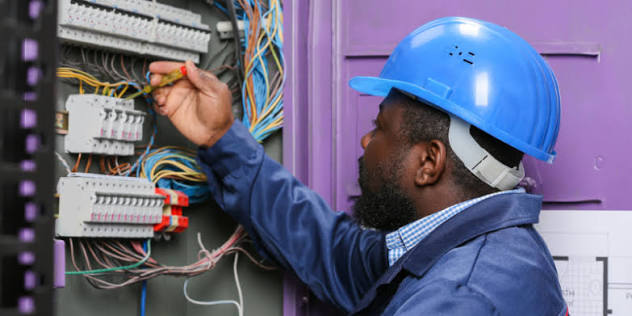
Have you ever thought about a career that is hands-on, rewarding, and always in demand? Becoming an electrician could be the path for you, but you might be wondering how long it really takes to get there. It’s smart to know what lies ahead before you start.
Training does take time, but it builds a strong skill set and leads to a stable, well-paying job. Keep reading to discover the full timeline and what you can expect at each step of your journey.
High School or GED
The journey often starts in high school. You need a diploma or a GED to begin formal training. Classes in math, science, and shop are very helpful.
Basic math is very important. You will measure wires and read simple plans. You will solve small problems each day on the job.
This stage takes about four years if you are still in high school. If you are older, earning a GED may take less time. Once you finish, you are ready for the next step.
Trade School (Optional)
Some people choose to attend trade school. This step is not always required, but it can help a lot.
Trade school programs can last from six months to two years. These programs teach the basics of wiring, tools, and safety rules. You learn in a classroom and practice in a lab.
This step can make it easier to find an apprenticeship later. It also helps you feel ready and less nervous on your first job site.
Apprenticeship
The longest part of the training is the apprenticeship. This is where real learning happens each day. An apprenticeship usually lasts four to five years.
During this time, you work under a licensed electrician. You also attend classes at night or on some weekends. You earn pay while you train.
Each year, your pay often goes up as your skill grows. This makes the long training time easier to manage. Some ask what is an electrician apprenticeship?
It is a paid training program where you learn the trade by working under a licensed electrician while also taking classes to gain hands-on experience and knowledge. It is a program where you learn by doing real work while also taking classes. You gain hands-on skills and real job experience at the same time.
What You Learn During Training
Training covers many simple but important topics. You learn about wires, circuits, and breaker panels. You learn how to read plans and follow local rules.
Safety is a big part of training. Electricity can be very dangerous if handled the wrong way. You must know how to protect yourself and others at all times.
You also learn how to solve problems. If a light does not turn on, you must find out why. Over time, you get faster and better at fixing issues.
You learn how to use tools the right way. You learn how to test wires and check power.
Licensing Timeline
After you finish your apprenticeship, you must pass a test. This test checks your knowledge of safety rules and electrical codes.
If you pass, you become a licensed electrician. This step usually comes after four to five years of total training and work.
Some people choose to go even further. After more years of work, you can test to become a master electrician. This can take one to three more years of steady work.
Each level shows more skill and more trust. With each step, your pay and job choices may grow.
Can You Finish Faster?
Many people ask if they can speed up the process. In most cases, the answer is no. Apprenticeships require a set number of work hours.
You must complete these hours to qualify for a license. This rule makes sure you have enough real practice before you work alone.
However, going to trade school first may shorten some class time during your apprenticeship. It does not remove the need for hands-on hours in the field. The time may feel long, but it helps you become safe and skilled.
What to Expect Each Year
In your first year, you will learn basic tasks. You may carry tools, pull wires, and watch your mentor closely. This year is about learning and staying safe.
In the second and third years, you begin doing more tasks on your own. You still have help, but you gain more trust. You may wire rooms or help fix small problems.
By the fourth and fifth years, you handle more complex jobs. You feel more sure of yourself.
You start to think and plan like a skilled electrician. Each year builds on the one before it. Small lessons turn into strong skills.
Balancing Work and Study
Training can feel busy and full. You may work all day and attend class at night. Good time planning becomes very important. It can be tiring at times.
Your body may feel sore after long days. But this stage does not last forever. Each class and workday brings you closer to your goal.
Support from family and friends helps a lot. Staying focused on your future makes hard days easier.
Try to rest when you can. Eat well and take care of your health. A strong body and mind help you finish strong.
Is the Time Worth It?
Four to five years may seem long at first. But many careers require more time and large school loans. In this field, you earn while you learn.
When you finish, you have a skill that is always needed. Homes, schools, and stores all need power each day.
You also gain job safety and steady pay. Over time, your income can grow, and you may even start your own business one day. The time you spend training is an investment in your future.
Your Future Starts Now
Becoming an electrician takes time, focus, and daily effort. But the reward is a stable and proud career. You build real skill with your hands and power homes and buildings every day.
If you are serious about this path, start planning now. Look into programs, ask clear questions, and take the first step. The clock starts when you decide.
Stay informed and visit our blog for more valuable information!