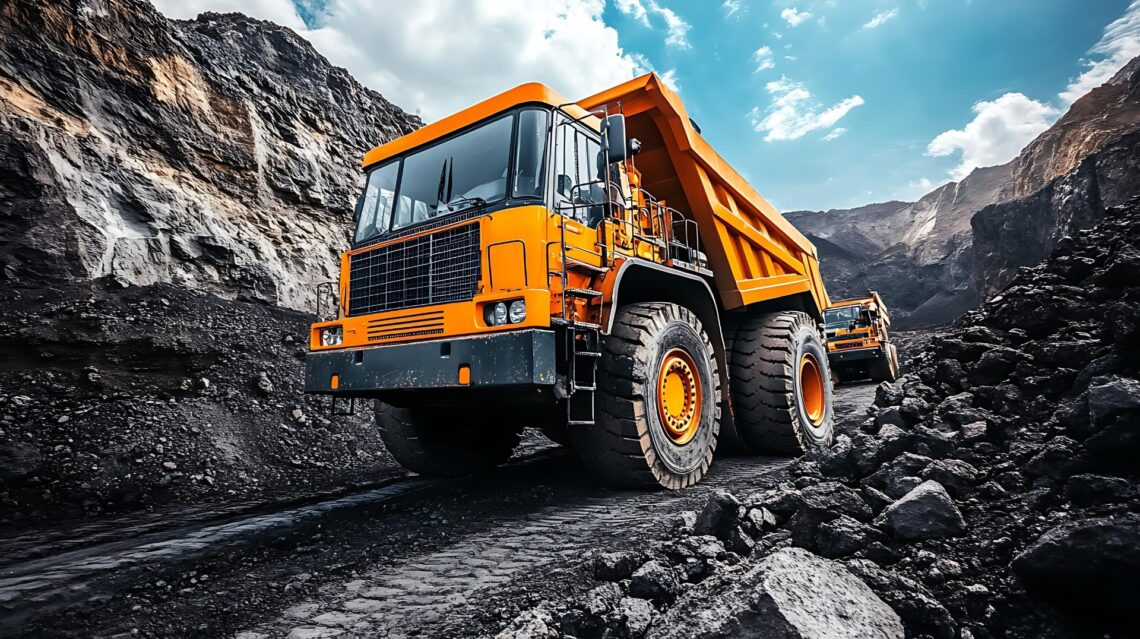
Heavy duty trucks are engineered to operate reliably under conditions that would destroy standard vehicles, with frame rails made from high-strength steel alloys, suspension systems capable of handling 20-tonne axle loads, and drivetrains producing over 600 horsepower and 2,000 pound-feet of torque. These vehicles serve industries like mining, construction, logging, and heavy equipment transport where daily operations involve navigating unpaved roads, steep grades, extreme temperatures, and loads that can exceed 80 tonnes in specialized configurations. The difference between a heavy duty truck and a standard commercial vehicle isn’t just size, it’s fundamental engineering that addresses stress factors, component durability, and operational reliability under sustained abuse that would leave lighter trucks broken down within weeks.
Frame and chassis engineering for extreme stress
The backbone of any heavy duty truck is its frame, which needs to flex enough to handle uneven terrain without cracking but remain rigid enough to support massive loads. Manufacturers use ladder-style frames with parallel rails made from heat-treated steel with yield strengths around 110,000 to 120,000 psi. That’s roughly twice the strength of mild steel.
These frames typically measure 10 to 12 inches in depth and use varying thicknesses along their length. The sections behind the cab, where fifth wheels mount for trailers, get reinforced with additional plates and cross members. I’ve seen engineering specs showing that a properly designed heavy duty frame can handle bending moments exceeding 200,000 foot-pounds without permanent deformation.
Riveted construction has mostly given way to high-strength bolted assemblies, which actually perform better under cyclic loading. The bolts allow slight movement that dissipates stress rather than concentrating it at weld points. Cross members space out every 24 to 36 inches to maintain torsional rigidity while keeping weight manageable.
Suspension systems that absorb punishment
Heavy duty trucks use either leaf spring or air suspension setups, each with specific advantages. Leaf springs remain popular for severe service because they’re nearly indestructible and provide progressive spring rates. As load increases, more leaves engage, automatically adjusting the suspension stiffness.
Modern multi-leaf packs might have 10 or more individual leaves with different lengths and thicknesses. The main leaf handles the bulk of the load, while shorter helper leaves engage only under heavy stress. This design gives a reasonable ride empty while preventing bottoming out when fully loaded.
Air suspension offers better ride quality and load leveling capabilities. Each axle has air bags that inflate or deflate based on load sensors, maintaining consistent frame height regardless of cargo weight. The system can adjust individual bags to compensate for uneven loading or terrain.
Load distribution gets critical when you’re dealing with 30 to 40 tonnes on the drive axles alone. Tandem and tridem axle configurations spread this weight across multiple tires, with each axle typically rated for 9,000 to 11,000 kilograms. The spacing between axles affects how weight transfers during acceleration and braking, which is why you’ll see different configurations for different applications.
Powertrain components built for sustained high loads
Engines in heavy duty trucks need to produce massive torque at low RPMs because they’re constantly pulling heavy loads from standstill or climbing grades. A typical 13-liter diesel produces peak torque around 1,200 RPM, delivering 1,850 to 2,050 pound-feet. This low-end grunt matters more than peak horsepower for heavy hauling.
These engines use reinforced crankshafts, connecting rods, and pistons designed for 1 million kilometers or more of service. Cooling systems circulate 60 to 80 liters of coolant through oversized radiators, and oil capacities reach 50 liters or more to manage the heat generated under sustained load.
Transmissions for heavy duty applications use 13, 15, or even 18 forward gears to keep the engine in its optimal power band across a wide range of speeds and loads. The gear spacing gets tighter in lower ranges where precise control matters most. Automated manual transmissions have become common because they shift optimally for fuel economy while reducing driver fatigue.
Braking systems and safety under extreme weight
Stopping 80 tonnes moving at highway speed requires serious braking capacity. Heavy duty trucks use air brake systems with large drums or disc rotors on every wheel. A typical setup might have 16.5-inch wide brake drums with total friction area exceeding 3,000 square inches across all wheels.
Modern systems include electronic brake force distribution that adjusts braking power based on load and traction conditions. Anti-lock systems prevent wheel lockup during emergency stops, which is critical because a locked wheel on a heavy truck can lead to jackknifing or rollover.
Read More: Choosing a Truck Back Cover That Fits Modified Duramax Trucks