Air conditioning systems are vital for maintaining comfort in homes and businesses, especially during extreme temperatures. However, many people underestimate the impact of a seemingly simple component: the air filter. A dirty or clogged filter can significantly reduce an AC unit’s efficiency, increase energy consumption, and even cause a complete system breakdown. Regular maintenance and timely filter replacement are crucial to prevent these issues. We will explore how neglecting air filters affects AC performance, the risks involved, and practical steps to ensure that your cooling system continues to operate efficiently without interruptions or costly repairs. Understanding this connection can save both time and money while maintaining indoor comfort.
How Dirty Filters Cause Problems and Ways to Prevent Them
Reduced Airflow and Increased Strain on Components
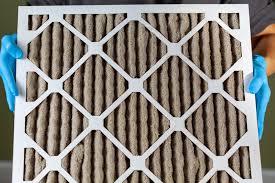
A primary function of an air filter is to trap dust, dirt, and other airborne particles before they enter the AC system. When a filter becomes clogged, airflow is restricted, forcing the system to work harder to maintain the desired temperature. This additional strain affects critical components, including the blower motor, fan, and compressor, and can ultimately result in frequent ac repair needs if left unaddressed. Over time, constant overexertion can lead to component failure, increased energy bills, and uneven cooling throughout the building. Restricted airflow also prevents the system from circulating conditioned air effectively, which can create hot and cold spots. To prevent this, it is important to check filters monthly and replace or clean them according to the manufacturer’s recommendations. Keeping the filter clean ensures smoother operation, reduces wear and tear, and extends the AC unit’s lifespan.
Accumulation of Dust and Mold in the System
When filters are dirty, airborne particles that should be trapped begin circulating inside the system. This accumulation can settle on coils, ductwork, and other internal components. Moisture from condensation, combined with trapped dirt, creates a breeding ground for mold and bacteria. Mold growth not only compromises indoor air quality but also leads to foul odors and potential health hazards for occupants. Moreover, dust buildup on coils reduces heat-transfer efficiency, forcing the system to use more energy to cool the space. Preventive measures include installing high-quality filters that capture finer particles and scheduling professional duct cleaning periodically. Regular monitoring and prompt replacement of filters help prevent dirt and moisture from combining, creating conditions that can degrade both system performance and indoor air quality.
Frozen Evaporator Coils and System Shutdowns
A direct consequence of restricted airflow from dirty filters is the risk of frozen evaporator coils. When air cannot move freely over the coils, they can become excessively cold, leading to ice formation. This ice blocks further airflow, reducing cooling capacity and potentially causing the system to shut down entirely. Repeated freezing can damage the coils, resulting in costly repairs. Preventing this requires consistent attention to filter maintenance and ensuring that the system operates without obstruction. Regular inspection allows early detection of airflow issues before they escalate. Homeowners and business managers should maintain a schedule to replace filters and inspect coils, ensuring the AC continues to function without interruption, even during peak usage periods.
Increased Energy Consumption and Higher Bills
An AC system with a clogged filter must work harder to circulate air, thereby increasing energy consumption. Over time, these inefficiencies lead to higher electricity bills, sometimes without noticeable changes in cooling performance. The financial impact can accumulate quickly, especially for larger systems or buildings with extended operating hours. Preventing this scenario is straightforward: keeping filters clean reduces the workload on the AC system, enabling it to achieve the same cooling results using less energy. Simple measures such as using filters with appropriate MERV ratings, inspecting them regularly, and adhering to a replacement schedule can maintain efficiency and reduce operational costs. Energy savings from a well-maintained system also contribute to environmental benefits by lowering overall electricity usage.
Shortened Equipment Lifespan and Costly Repairs
Neglecting air filter maintenance can accelerate wear and tear on multiple components of the AC system. Blower motors, compressors, and fans face increased stress, which can lead to premature failure. Additionally, debris that bypasses a dirty filter may damage internal mechanisms or cause blockages. Over time, these issues can lead to major repairs or even a full system replacement. By regularly replacing filters and performing routine inspections, the likelihood of unexpected breakdowns decreases substantially. Scheduled maintenance also allows technicians to identify minor issues before they escalate into costly repairs. Protecting the system from preventable damage ensures longevity, enhances reliability, and reduces the financial burden associated with emergency fixes or system replacement.
Maintaining Indoor Air Quality for Health and Comfort
Clean filters are essential not just for mechanical reasons but also for maintaining healthy indoor air. Dust, pollen, pet dander, and other pollutants can circulate unchecked when filters are neglected, aggravating allergies and respiratory issues. A well-maintained AC system with regular filter replacement helps capture these particles, providing cleaner air for occupants. This is particularly important in spaces where children, elderly individuals, or people with health conditions are present. Regular maintenance also minimizes the risk of microbial growth within the system, ensuring that the circulated air is free of harmful contaminants. Choosing the right filter type and monitoring it regularly contribute to both comfort and health, creating a safer indoor environment.
Dirty air filters are a leading cause of AC inefficiency and breakdowns. They restrict airflow, encourage dust and mold buildup, increase energy consumption, and accelerate wear on vital components. By implementing a consistent maintenance routine that includes timely filter replacement, regular inspections, and periodic professional cleaning, homeowners and businesses can avoid unnecessary repairs and extend the life of their AC systems. A proactive approach ensures consistent cooling, better indoor air quality, and lower operational costs, making filter maintenance an essential part of responsible HVAC care.