Some workouts leave you exhausted. Others leave you energised.
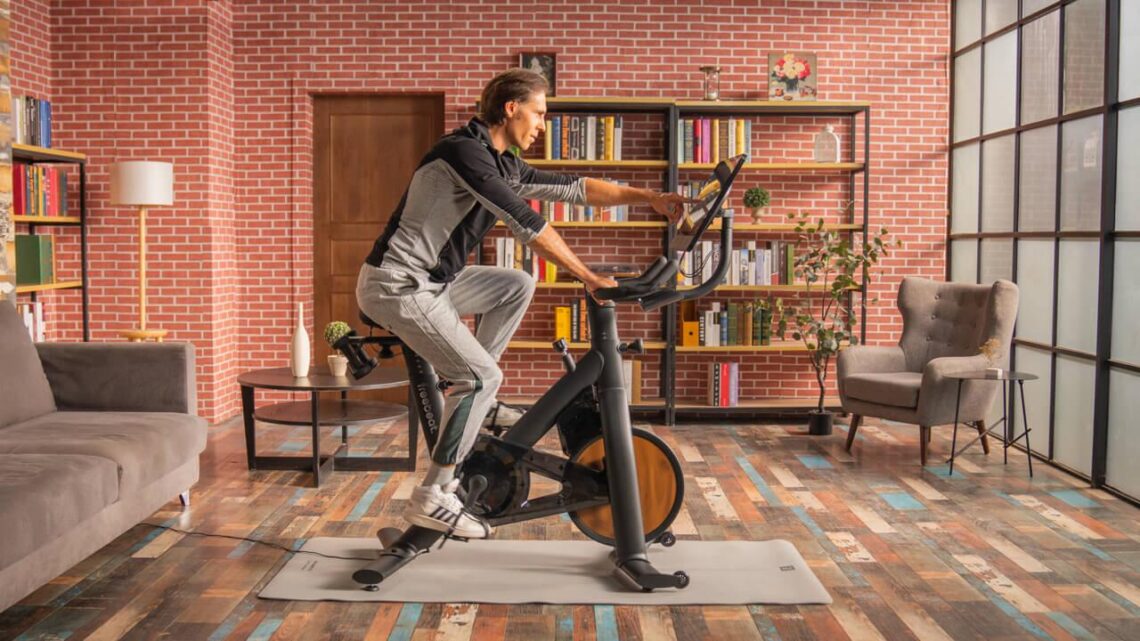
Cycle-based group workouts have a way of doing both — pushing your limits while somehow making you feel more alive afterward. Whether you’re pedalling through a hill climb simulation or sprinting during a high-tempo track, indoor cycling has become one of the most popular forms of cardio for good reason.
It’s efficient. It’s motivating. And it’s surprisingly social.
Let’s explore how this training style boosts energy, burns calories, and builds a strong sense of community along the way.
A Powerful Energy Boost That Lasts Beyond the Workout
At first glance, cycling might seem like it would drain your energy. After all, you’re working hard, sweating, and challenging your legs and lungs.
But here’s the interesting part: after a well-structured session, many participants report feeling more energised than before they started.
That’s because cardio exercise stimulates circulation and oxygen flow throughout the body. According to principles of aerobic exercise, sustained rhythmic movement — like pedalling — strengthens the heart and improves the body’s ability to use oxygen efficiently.
As your cardiovascular fitness improves, everyday activities feel easier. Climbing stairs, walking long distances, or carrying groceries becomes less taxing. Over time, this translates into higher overall energy levels throughout the day.
For busy professionals juggling meetings or parents chasing after children, that extra boost can make a real difference.
Instead of relying on another cup of coffee in the afternoon, regular cycling sessions can help sustain natural energy levels.
Efficient Calorie Burn Without Harsh Impact
One of the main reasons people are drawn to indoor cycling is its efficiency.
A well-designed session can deliver an intense cardiovascular workout in a relatively short period of time. Intervals — short bursts of high effort followed by recovery periods — elevate heart rate and increase calorie burn both during and after the workout.
But unlike some high-impact activities, cycling is gentle on the joints.
Because you’re seated and pedalling in a controlled motion, there’s minimal stress on knees and ankles compared to running or jumping. This makes cycling suitable for a wide range of fitness levels — from beginners to seasoned athletes.
For someone recovering from a minor injury or seeking a low-impact alternative to treadmill workouts, cycling offers a practical solution.
It also allows participants to control intensity. Resistance settings can be adjusted, so each rider works at a level that suits their current ability. This personalised control ensures that whether you’re new to fitness or chasing performance gains, you can train effectively without feeling overwhelmed.
Motivation Through Music and Structure
One unique element of indoor cycling is the atmosphere.
Lights may dim. Music plays loudly. An instructor guides the rhythm, encouraging the group through climbs and sprints.
This immersive environment does more than entertain — it keeps you focused.
Structured sessions remove the guesswork. Instead of deciding what to do next, you follow cues from the instructor. That clarity allows you to push harder than you might on your own.
Imagine trying to maintain consistent effort on a stationary bike by yourself. It’s easy to slow down when fatigue sets in. But in a group setting, shared energy helps you stay engaged.
The rhythm of music also plays a role. Pedalling in time with a beat makes the effort feel purposeful. You’re not just exercising — you’re participating in an experience.
Building Community Through Shared Effort
Perhaps one of the most underrated benefits of cycling classes is community.
When people gather in the same room and face similar physical challenges, something powerful happens.
You glance around and see others pushing through the same sprint interval. You hear collective breaths during a tough climb. There’s a sense of unity in shared effort.
This sense of connection encourages consistency.
You’re more likely to attend regularly when you recognise familiar faces. You build small routines — greeting classmates before sessions, sharing encouragement after tough sets.
In many industries, teamwork drives performance. Offices thrive when employees collaborate. Sports teams succeed through unity. The same principle applies to group fitness.
If you’re curious about how structured sessions are designed and delivered, you can explore options for cycle fitness classes that combine guided instruction with a motivating group atmosphere.
That group dynamic transforms exercise from a solitary task into a social event.
Supporting Mental Wellbeing
Beyond physical benefits, cycling sessions can provide a mental reset.
During intense intervals, your focus narrows to breathing and movement. This temporary shift away from daily stressors offers your mind a break.
After class, many participants experience improved mood and reduced stress. That’s partly due to the release of endorphins — chemicals associated with feelings of happiness and relief.
In a world where many people spend long hours seated at desks or staring at screens, the opportunity to move rhythmically and disconnect mentally becomes invaluable.
Cycling classes offer that release in a structured, supportive setting.
Accessible for Different Fitness Levels
One reason cycling has grown in popularity is accessibility.
Because resistance and pace can be adjusted, beginners and advanced riders can train side by side. There’s no pressure to “keep up” — everyone rides at their own capacity.
This inclusivity helps newcomers feel comfortable.
For someone hesitant about joining group workouts, cycling can feel less intimidating. You’re mostly focused on your own bike and on your instructor’s cues. That balance between individual effort and group energy creates a welcoming environment.
Over time, as fitness improves, participants often find themselves increasing resistance or tackling more challenging intervals — naturally progressing without drastic leaps.
A Balanced Approach to Fitness
Cycle training fits seamlessly into broader fitness routines.
It can serve as:
- A primary cardio workout
- A cross-training option for runners
- A recovery session with lighter resistance
- A high-intensity interval session for calorie burn
This versatility makes it easy to integrate into weekly schedules.
Whether your goal is weight management, endurance building, or simply staying active, cycling provides a consistent, low-impact option.
More Than Just Pedalling
At first glance, indoor cycling might seem like a simple workout. But its benefits extend far beyond burning calories.
It boosts cardiovascular health.
It elevates energy levels.
It reduces stress.
It strengthens community bonds.
It supports consistency.
In today’s fast-paced world, finding a workout that challenges your body while uplifting your spirit can be rare.
Cycling classes offer that balance — combining structured intensity with shared motivation and mental refreshment.
And for many people, that combination is exactly what keeps them coming back week after week.