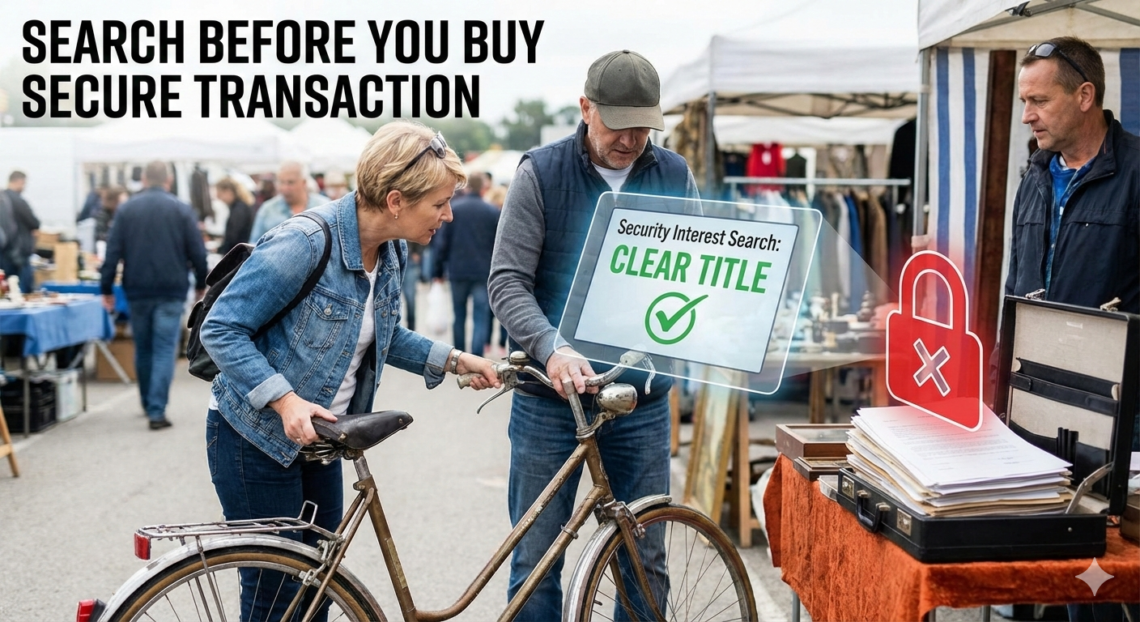
Buying second-hand goods can be a smart financial decision. Whether it’s a used car, a boat, farm equipment, or even high-value machinery for your business, purchasing pre-owned assets often saves thousands of dollars.
But here’s the part many buyers overlook: not all second-hand goods are free and clear.
Sometimes, an asset still has money owing on it. That means a lender or finance company may still have a legal claim over the item—even if it’s being sold to you.
That’s where a security interest search becomes incredibly important.
Before handing over your hard-earned cash, taking a few minutes to check an asset’s financial history can protect you from major headaches later on.
What Is a Security Interest?
Let’s keep this simple.
A security interest exists when a lender has a legal claim over an asset because it was used as collateral for a loan. For example, if someone buys a car using finance, the lender may register their interest in that car until the loan is fully repaid.
If the seller hasn’t cleared the loan and you purchase the vehicle, you could face serious consequences. In some cases, the lender has the legal right to repossess the asset—even though you paid for it.
In Australia, these interests are recorded in the personal property securities register, a national database that tracks security interests over personal property such as cars, boats, trailers, and business equipment.
That’s why checking before buying is not just wise—it’s essential.
Real-World Example: Buying a Used Car
Imagine you find a great deal on a used car through an online marketplace. The price is competitive, the car looks clean, and the seller seems genuine.
You pay $18,000 and drive away feeling satisfied.
Two months later, you receive a call from a finance company informing you that the previous owner still owes money on the car. They demand payment—or threaten repossession.
Suddenly, that “great deal” doesn’t feel so great.
This situation happens more often than people realize. A quick security interest search could have revealed the outstanding finance before the sale.
The same risk applies to:
- Boats
- Motorcycles
- Caravans
- Construction equipment
- Agricultural machinery
- High-value business tools
It’s not just individuals at risk—small businesses frequently purchase second-hand assets to reduce costs. A simple oversight can lead to expensive legal disputes.
Why a Security Interest Search Is So Important
Think of a security interest search as a background check for a piece of property.
Just as employers conduct background checks before hiring, buyers should verify an asset’s financial history before purchasing.
A proper search can confirm:
- Whether money is still owed
- Whether the asset has been reported stolen
- Whether there are registered claims by lenders
This step offers peace of mind.
When you’re buying second-hand goods, you’re not just evaluating condition—you’re evaluating ownership rights.
Skipping a search may save you a few minutes upfront, but it could cost you thousands later.
How It Protects Both Individuals and Businesses
For individual buyers, the benefit is obvious: you avoid inheriting someone else’s debt.
For businesses, the protection is even more critical.
Imagine a construction company purchasing used machinery to save costs. If that machinery has an outstanding loan attached to it, the lender could claim it. That would disrupt operations and potentially damage client relationships.
In industries such as agriculture, transport, and logistics, equipment downtime can result in lost revenue. A security interest search helps prevent these disruptions before they happen.
Due diligence is common in business transactions. Companies verify contracts, inspect goods, and review legal terms. Checking asset status should be part of that same routine.
When Should You Perform a Search?
Ideally, before finalizing any payment.
If you’re serious about buying:
- Ask for the asset’s identification details (such as a vehicle’s VIN).
- Perform a security interest search using official channels.
- Review the results carefully.
If the report shows a registered interest, request proof that the debt has been cleared before proceeding.
For buyers in Australia looking to confirm an asset’s status, conducting a PPSR Asset Check is a practical step to ensure you’re not purchasing encumbered property.
This simple precaution can protect your investment and give you confidence in your purchase.
Common Misconceptions
Some buyers assume that if the seller appears trustworthy, there’s no need to check. Unfortunately, trust alone doesn’t eliminate risk.
In many cases, sellers may not even realize the loan hasn’t been officially cleared. Administrative delays, refinancing arrangements, or paperwork errors can create gaps.
Others believe a handwritten receipt protects them. While documentation is important, it doesn’t override a registered security interest.
Ownership disputes are legal matters—not personal agreements.
That’s why verifying through official records is so important.
Peace of Mind Is Worth It
Buying second-hand goods is often a smart financial move. You save money, reduce waste, and make practical purchasing decisions.
But smart buying also includes smart verification.
A security interest search takes only a short amount of time and costs very little compared to the potential loss of purchasing an asset tied to debt.
It’s similar to getting a building inspection before buying property. Most of the time, everything checks out. But if something is wrong, you’ll be glad you looked.
Final Thoughts: Protect Before You Purchase
Second-hand purchases can be exciting and rewarding. Whether you’re buying a family car, expanding your business equipment, or investing in recreational assets, due diligence protects your investment.
A security interest search helps ensure:
- You legally own what you purchase
- No hidden financial claims exist
- You avoid unexpected repossession
- Your money is spent wisely
In today’s marketplace, information is accessible. Taking advantage of that access is part of responsible buying.
Before finalizing your next second-hand purchase, take the extra step. A quick search today could prevent a costly problem tomorrow.
Sometimes, the smartest purchase isn’t just about price—it’s about protection.
You May Also Like