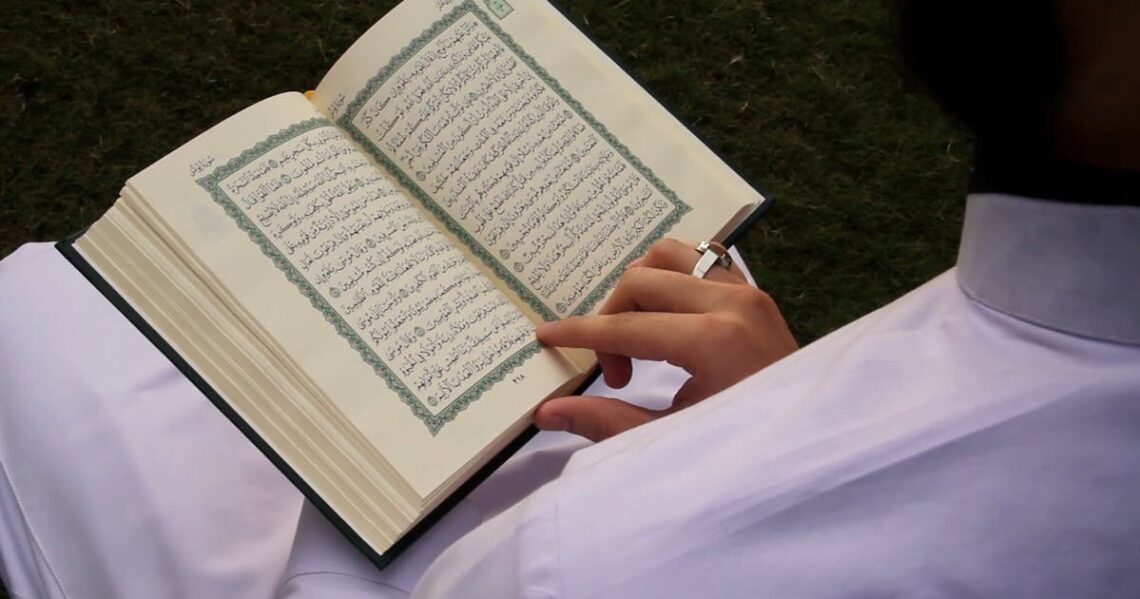
Islamic education needs more than weekend classes that cover random topics. Students require comprehensive, sequenced instruction that builds knowledge systematically over years. A Quran program institute in Melbourne provides this through carefully designed curricula that progress from foundational concepts to advanced Islamic studies. These institutes don’t just teach Quran recitation in isolation. They integrate tafsir (interpretation), hadith studies, fiqh (jurisprudence), and Arabic language instruction into cohesive programs. This holistic approach ensures students understand what they’re reciting and can apply Islamic principles practically. Research on religious education outcomes shows structured programs produce students with 60% better retention of Islamic knowledge compared to informal learning environments.
Age-Appropriate Curriculum Design
Teaching Islamic studies to a 7-year-old requires completely different methods than working with teenagers. Quality institutes develop age-specific curricula recognizing cognitive and emotional development stages. Young children focus on basic Arabic alphabet, simple duas, and foundational stories from Islamic history told through engaging narratives.
Older students tackle complex topics like Islamic economics, comparative religion, and detailed tafsir analysis. The progression feels natural because each level builds on previous learning. A student who learned about Prophet Ibrahim’s story as a child can engage with deeper theological discussions about tawhid and submission during adolescence. This scaffolded approach aligns with educational psychology principles showing that learning happens most effectively when new information connects to existing knowledge frameworks.
Qualified Instructors With Recognized Credentials
Not everyone who’s memorized Quran can teach effectively. The better institutes employ educators with formal qualifications from recognized Islamic universities. These teachers hold ijazahs (certifications) in Quran recitation and often have undergraduate or graduate degrees in Islamic studies from institutions like Al-Azhar, Medina University, or local Australian Islamic colleges.
Teacher qualifications matter because Islamic knowledge requires precision. A teacher needs to understand not just what the Quran says but different schools of thought on interpretation, historical context, and how to present information age-appropriately. Students benefit from instructors who can answer challenging questions thoughtfully rather than giving oversimplified responses that don’t hold up to scrutiny.
Community Building Through Shared Learning
Islamic education works best when it’s not isolated to classroom hours. Institutes that support students effectively create community environments where families connect around shared values. Regular family events, community iftars during Ramadan, and group volunteer activities help students see Islam as a lived practice, not just academic study.
This community aspect addresses research showing children develop stronger religious identity when faith is reinforced across multiple contexts. Students whose Islamic learning connects to family life and peer relationships demonstrate greater commitment to religious practices long-term. The social bonds formed during institute programs often last into adulthood, creating support networks that extend well beyond childhood education years.