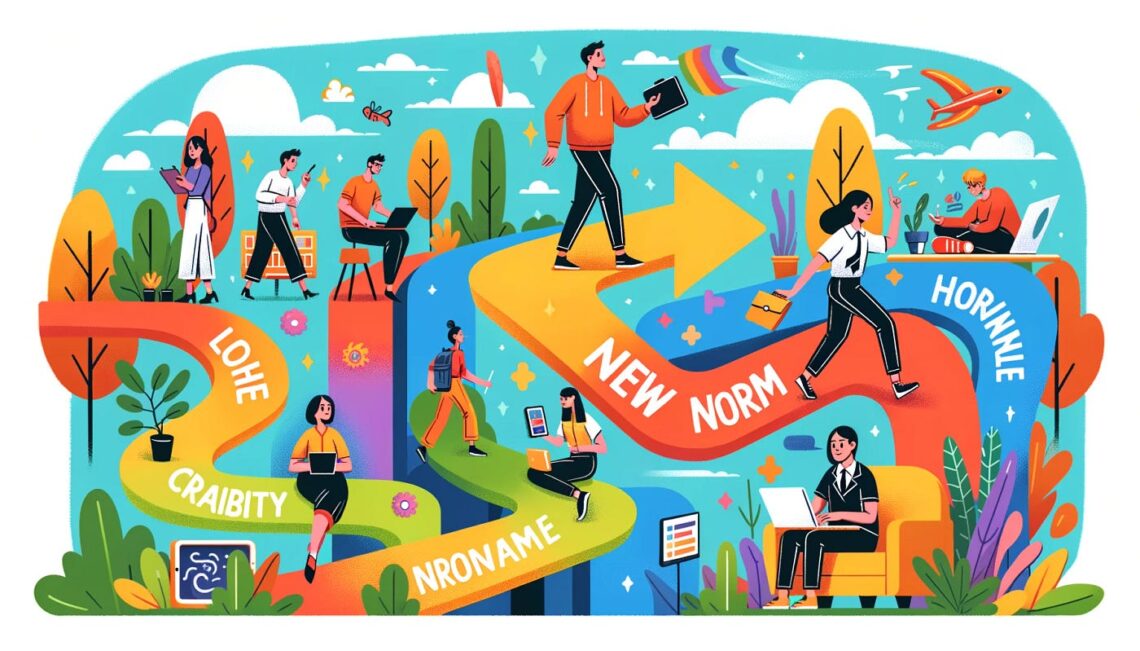
The way people build their careers is changing. In the past, many workers stayed in one job or one company for most of their lives. Today, careers are often more flexible.
Many professionals now choose career paths that allow them to move between roles, projects, or industries. These flexible paths help people use their skills in different ways while continuing to grow.
At the same time, companies are also changing how they hire workers. Instead of filling every role with permanent employees, organizations often bring in specialists who can help with specific tasks or projects.
Because of these changes, specialized work models are becoming more common. Read on.
What Are Flexible Career Paths?
A flexible career path means that a person is not limited to one job or one long-term role. Instead, they can explore different opportunities during their career.
For example, someone might work for a company for a few years, then move into consulting, freelance work, or project-based jobs. Others may switch industries while still using the same core skills.
This type of career path allows professionals to adjust as their interests, skills, and goals change. Technology has made this easier. Online tools allow people to communicate, collaborate, and work from almost anywhere.
Common Specialized Work Models
Specialized work models focus on specific skills or expertise. Companies hire people who can solve certain problems or complete important projects. Here are some common examples.
Freelancing
Freelancers work independently and provide services to different clients. They may work on writing, design, programming, marketing, or many other tasks. This allows professionals to choose projects that match their skills.
Consulting
Consultants help companies solve problems or improve their strategies. They use their knowledge and experience to give advice and guide organizations toward better solutions.
Contract Work
Contract workers are hired for a specific project or period of time. When the project ends, the contract may end as well. This gives companies flexibility while still bringing in skilled professionals.
Remote and Hybrid Work
Many professionals now work remotely or split their time between home and the office. This model allows companies to hire talent from different locations.
Benefits for Professionals
Flexible career paths offer many advantages for workers. One major benefit is greater control. Professionals can choose the type of work they want to do and the projects they want to join.
Another benefit is continuous learning. Working with different organizations helps people gain new experiences and develop new skills.
Flexibility can also improve work-life balance. Many professionals value the ability to manage their schedules and work environments. Check out the 2026 options for locum to give you an idea.
Benefits for Organizations
Companies also gain advantages from specialized work models. Organizations can hire experts when they need them instead of maintaining large full-time teams. This can reduce costs and improve efficiency.
Specialized professionals also bring fresh ideas. Because they work with different companies, they often introduce new strategies and solutions.
The Future of Work
Flexible career paths are becoming a normal part of modern work. Professionals who develop strong skills and stay open to new opportunities will be better prepared for these changes.
At the same time, organizations that embrace flexible work models can access talented specialists and adapt more quickly to new challenges. In today’s evolving workforce, flexibility and specialization are becoming key to long-term success.
If you want to read more articles, visit our blog.