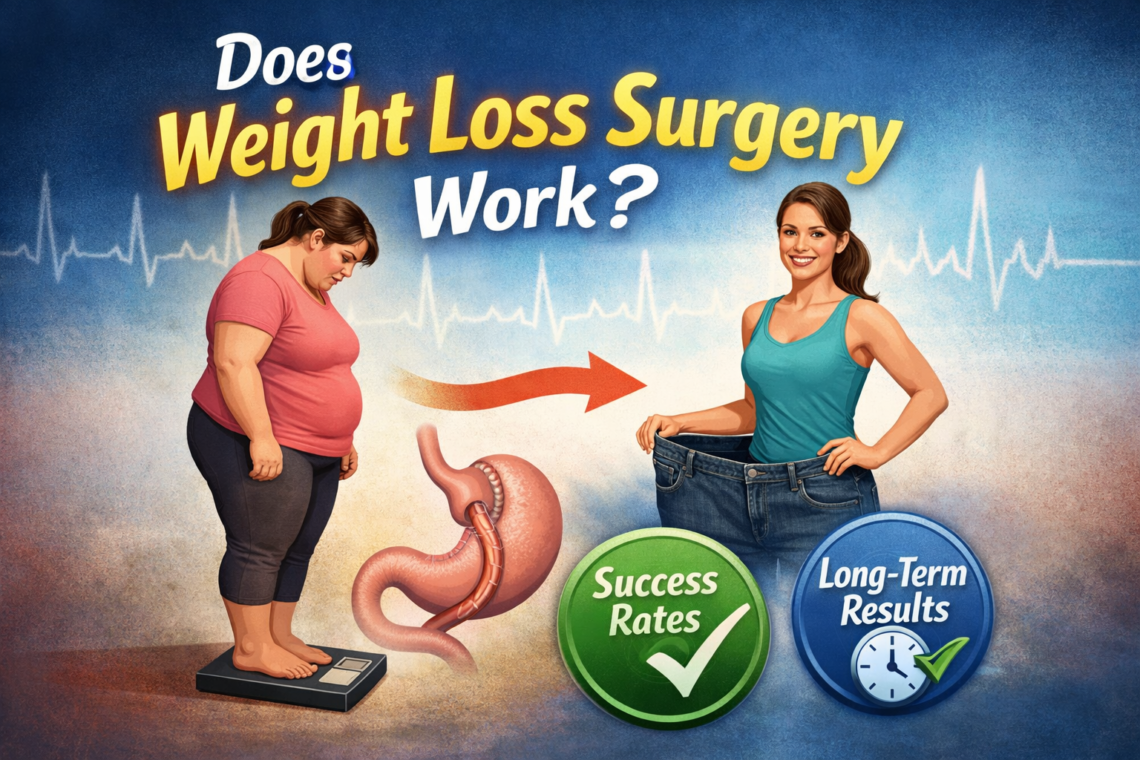

Weight is an important modifier of personality and a good determinant of living a long and contended life. Due to poor eating habits, relentless stress, and sedentary lifestyles, which opt for convenience rather than mobility-overweight and obesity have alarmingly become common in today’s fast-paced world.
Here, understanding your BMI report will be important. A good report on BMI shows if one is overweight or obese. People with a BMI less than 40 usually experience good results with regular exercise programs, personalized diet plans, thorough lifestyle changes, and consultations with professional personal trainers to individualize the intervention program for the person’s daily routine.
However, when it exceeds 40, there is a red flag. In that case, traditional methods often fail, and this will be the time to see a bariatric surgery specialist. They describe weight loss surgery by outlining the procedures, timeline, and major changes that people can feel, like the amount of weight lost, easier movements, and less health problems.
What Weight Loss Surgery Actually Does
Weight loss surgery is helpful for those who are very obese and need to lose a great deal of weight that is long-lasting. Weight loss surgery could enable a person to lose up to approximately 50-70% of excess body weight in as little as one to two years. On the other hand, one should remember that it is not an easy solution or magic cure. It is a serious medical treatment that requires lifelong changes to diet, along with regular visits to a doctor. The term encompasses a number of different procedures, which all have the same aim of treating obesity through different means of altering the digestive system:
- Gastric bypass limits both food intake and nutrient absorption by diverting a portion of the small intestine, thus creating a “dual pathway” effect.
- Gastric sleeve removes about 80% of the stomach to reduce hunger hormones, Ghrelin, and capacity permanently.
- In gastric banding, an adjustable band is placed around the upper pouch of the stomach to control portion sizes gradually.
These surgeries work through three key mechanisms:
- Restriction (smaller stomach capacity)
- Malabsorption (fewer calories absorbed)
- Hormonal shifts (reduced appetite signals)
Patients typically witness quick, immediate results in weight, along with rapid and motivating improvements in blood pressure, diabetes control, and mobility for the journey ahead.
Proven Success Rates By Procedure
Studies confirm that weight loss surgery achieves impressive excess weight loss that diets struggle to match. While average excess weight loss for gastric bypass patients is around 28%, that for gastric banding comes at around 15%, with most maintaining long-term and regaining only 3-4% even after 3-7 years.
Beyond the scale, patients experience deep health improvements, where diabetes often goes into remission, blood pressure normalizes, cholesterol levels drop, and physical mobility returns, which enables them to regain daily living activities that they struggled to do before.
NObesity has led this transformation with over 9,000 successful bariatric surgeries. See how their patients share real journeys proving surgery creates lasting, life-changing results.
Long-Term Results That Last After Weight Loss Surgery
Weight loss surgery can offer truly lasting weight loss treatment results, not for some months, but for years when done right. But the secret to keeping these benefits is most important to watch over.
- Eat protein first at each meal to be full and protect muscle.
- Move your body regularly for at least 30 minutes.
- Attend check-up appointments for monitoring every 3-6 months.
- Take recommended vitamin supplements to avoid deficiencies.
- Drink 2 to 3 liters of water daily.
- Practice portion control even with healthy foods.
- Prioritize sleep of 7 to 8 hours to regulate the hormones.
- Manage your stress through meditation or yoga to avoid emotional eating.
- Track progress weekly by measurements, aside from the scale.
- Build support with family, friends, or post-surgery groups.
These steps prevent common problems and maintain your progress. Diet changes alone often take much more time to reveal real results, especially in severely obese people. Surgery gives you a stronger starting point for lifelong success.
Keys to Lasting Weight Loss Surgery Success
For lasting success in weight loss treatments, follow your nutritionist’s diet plan and attend regular follow-up visits to catch complications early.
Plus, choosing the right expertise makes all the difference. Seek an experienced bariatric surgeon backed by a full team of psychologists to guide you through challenges and nutritionists who create realistic, tailored diet plans based on your surgery and lifestyle.
This expert support transforms surgery from a one-time procedure into a complete lifestyle shift, boosting your chances for long-term results.
Is Weight Loss Surgery Right For You?
Your journey to weight loss surgery begins with meeting some basic candidate criteria that ensure you are physically and mentally prepared for the best outcomes.
Key Candidate Criteria:
- BMI of 40+ with serious health problems such as diabetes or heart disease
- Previous failures in losing weight through dieting and exercise
- No uncontrolled medical conditions that can complicate surgery
- Normally, the age range should be between 18 and 65.
- Stable mental health and realistic expectations regarding outcomes
Commitment to post-surgical lifelong changes requires real-life changes too, like protein-based eating, regular physical activity with adequate vitamin supplements, and quarterly follow-ups with your physician. Without these, the best procedure becomes suboptimal.
Conclusion
It is agreed upon that two main influences determine the ultimate success of weight loss surgery: the surgeon performing the operation and the commitment of the patient to long-lasting lifestyle changes.
An experienced bariatric specialist dramatically improves results by excelling in technical execution of the operation, appropriate matching of procedure to patient anatomy, and adequate preoperative and postoperative care. When combined with a strong medical team, it provides a good foundation for long-lasting results.
Surgery offers the opportunity, and daily choices determine the magnitude of success. Long-term successes are favorable with long-term patient dedication; many patients are able to achieve 50–70% excess weight loss for well over a decade, with comorbid conditions like diabetes and hypertension going into remission.