There is something deeply satisfying about stepping outside your back door and feeling an immediate wave of calm wash over you. In a world that moves fast and rarely slows down, your backyard holds untapped potential to become a personal retreat.
You do not need acres of land or a massive budget to pull this off. What you need is intention, a clear vision, and a willingness to work with what you already have. Designing a serene sanctuary in your own backyard is less about perfection and more about creating a space that speaks to your soul every time you walk into it.
Choosing the Right Atmosphere for Your Outdoor Escape
Before you start buying plants or rearranging furniture, take a step back and think about the feeling you want your backyard to carry. Do you want it to feel like a quiet forest clearing? A cozy reading nook surrounded by greenery? A meditative space where the only sound is trickling water? The atmosphere you choose will guide every decision that follows, from the materials you pick to the layout you settle on.
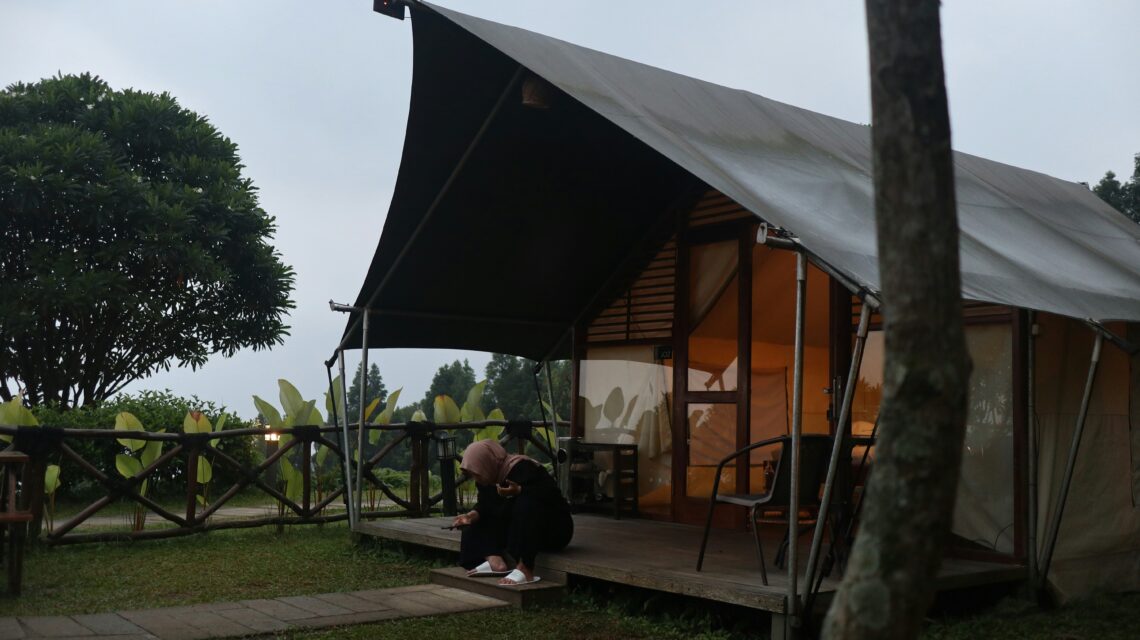
For homeowners who want a fully sheltered outdoor room without committing to a permanent construction project, glamping tents are worth serious consideration. These are heavy-duty canvas structures built on steel frames, spacious enough to fit real beds, rugs, furniture, and even a wood stove for cooler months. Set one up on a raised wooden platform in your backyard, and you essentially have a weatherproof retreat that stays connected to the outdoors through canvas walls, screen windows, and a covered porch area.
It becomes the anchor of your entire sanctuary, a space where you can sleep under the stars, host overnight guests, or simply disappear into a book on a rainy afternoon without ever leaving your property.
Working With Your Space, Not Against It
One of the biggest mistakes people make when redesigning their backyards is trying to force a layout that does not suit the land. If your yard slopes, use that slope to your advantage by creating tiered seating or a cascading garden. If you have a compact space, lean into the intimacy of it rather than trying to make it feel bigger than it is. Small spaces can feel incredibly cozy when designed with care.
Walk your yard at different times of the day and notice where the sunlight hits, where the shade lingers, and where the breeze flows. These observations will help you place seating areas, gardens, and water features in spots that feel naturally comfortable. A sanctuary should feel like it belongs to the land it sits on, not like it was dropped there from a catalog.
Incorporating Natural Elements That Calm the Senses
Nature is the foundation of any backyard sanctuary. Start with plants that appeal to more than just the eyes. Lavender, jasmine, and rosemary offer soothing scents that can turn a simple garden into a sensory experience. Ornamental grasses add gentle movement and a soft rustling sound when the wind picks up.
If you have the space, a small water feature like a stone fountain or a shallow reflecting pool can introduce the calming sound of running water, which has a remarkable ability to drown out noise from the street or neighbors.
Layering different types of greenery also adds depth. Tall trees or bamboo along the edges of your yard create a sense of enclosure and privacy.
Creating Zones for Different Moods
A well-designed sanctuary does not have to serve a single purpose. Think of your backyard as a collection of zones, each offering something different. One corner might hold a pair of chairs and a small table for morning coffee. Another area could feature a hammock or a daybed for afternoon reading. A fire pit zone with low seating becomes the perfect gathering spot once the sun goes down.
The key is to create soft transitions between these zones. Use pathways made from stepping stones, gravel, or wood rounds to connect each area. Line these paths with low-growing plants or solar lanterns to make the flow between zones feel natural rather than abrupt.
The Role of Lighting in Setting the Tone
Lighting can make or break the mood of your outdoor sanctuary. Harsh overhead lights will kill the atmosphere faster than anything else. Instead, think warm and low. String lights draped across a pergola or between trees create a canopy of soft glow. Solar-powered lanterns placed along pathways add a welcoming guide without overwhelming the space. Candles, whether real or flameless, grouped on tables or shelves, bring warmth and intimacy.
The goal is to mimic the kind of lighting you would find at dusk, that golden window where everything looks softer and more peaceful. If you have specific zones in your yard, consider giving each one its own lighting character.
Choosing Materials That Feel Organic
The materials you use in your backyard sanctuary should feel like they belong outdoors. Natural wood, stone, wicker, and linen all carry a warmth and texture that synthetic materials struggle to match. A reclaimed wood bench, a stone pathway, or a wicker chair with linen cushions can anchor your space with a sense of authenticity.
Avoid anything that feels too polished or industrial unless that is specifically the vibe you are going for. A sanctuary should have a lived-in, welcoming quality.
Making It Personal
The final layer of any sanctuary is the one that makes it yours. Maybe it is a collection of wind chimes you have gathered over the years. Maybe it is a hand-painted sign, a stack of your favorite books on a side table, or a bird feeder that attracts cardinals every morning. These personal touches are what separate a beautifully designed backyard from one that actually feels like home.
Do not overthink this part. If something brings you joy or peace, it belongs in your sanctuary. The whole point of designing this space is to create somewhere you genuinely want to be.
Read More: Enjoy a luxurious escape into nature with the Glamping economy.