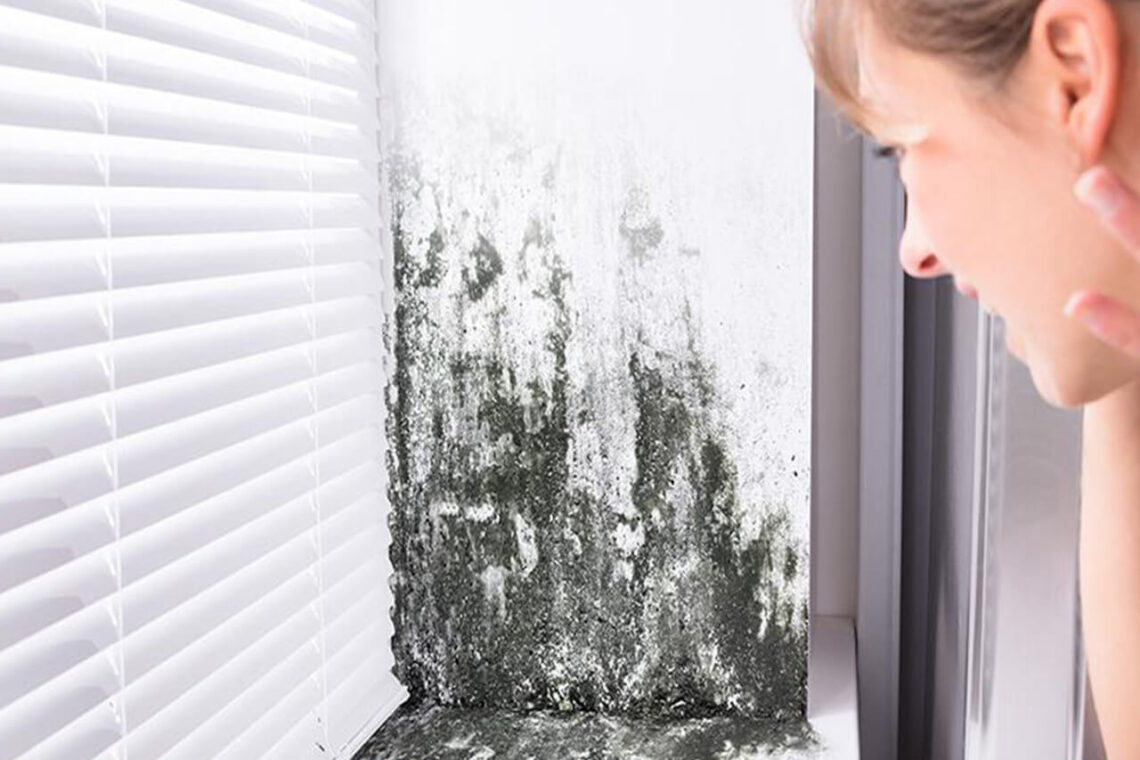
Mold enters homes quietly and spreads where moisture lingers. It grows from microscopic spores that float in the air and settle on damp surfaces. Once they land on drywall, wood, carpet, or insulation with enough moisture, they begin to multiply within 24 to 48 hours.
Modern homes create ideal conditions for mold growth. Tight insulation, sealed windows, and reduced airflow trap humidity indoors. Showers, cooking, laundry, and even breathing add moisture to the air every day. When humidity rises above roughly 60 percent, mold can thrive.
Leaks accelerate the problem. A slow drip under a sink, a cracked roof tile, or condensation inside walls can provide enough moisture to sustain growth for months without detection. Mold does not need standing water. It needs dampness and organic material, which most homes provide in abundance.
Many people assume mold only appears as black patches on bathroom tiles. In reality, it often hides behind baseboards, inside HVAC systems, beneath flooring, or under wallpaper. A musty smell often appears before visible spots do. That odor signals microbial activity in hidden materials.
Mold is not rare. Studies show that a significant percentage of buildings have experienced some form of water damage. The difference between a healthy home and a mold-prone one usually comes down to how quickly moisture problems are addressed.
Understanding mold starts with one principle: control moisture, and you control mold. Ignore moisture, and mold will find a place to grow.
What Mold Does to Your Body
Mold affects health primarily through inhalation. When spores become airborne, people breathe them into the nose and lungs. The immune system reacts by identifying them as foreign particles.
In many individuals, this reaction resembles seasonal allergies. Symptoms often include sneezing, nasal congestion, watery eyes, throat irritation, and coughing. People with allergic rhinitis frequently notice worsening symptoms indoors, especially in damp rooms.
Asthma patients face higher risk. Mold exposure can trigger wheezing, chest tightness, and shortness of breath. Even small concentrations may provoke symptoms in sensitive individuals. Repeated exposure can increase airway inflammation over time.
Children often show symptoms earlier than adults. Their immune systems are still developing, and they spend more time indoors. Chronic nasal congestion, nighttime coughing, or recurrent sinus infections sometimes trace back to hidden mold in bedrooms or play areas.
Older adults and people with weakened immune systems face greater danger. In rare cases, certain molds can lead to fungal infections in the lungs or sinuses. These situations require medical treatment and close supervision.
Some individuals report fatigue, headaches, and difficulty concentrating in mold-contaminated environments. While research continues into the mechanisms behind these symptoms, inflammation and immune activation likely play a role. Not every unexplained symptom stems from mold, but persistent issues in a damp environment warrant investigation.
Health responses vary widely. One person may experience mild irritation, while another develops severe respiratory distress. That variability makes mold exposure difficult to dismiss as harmless.
When Exposure Becomes Chronic
Short-term exposure may produce temporary irritation. Long-term exposure can deepen the problem.
Chronic mold exposure keeps the immune system activated. Persistent inflammation may worsen asthma control and increase susceptibility to respiratory infections. People living in damp buildings sometimes experience ongoing sinus pressure, recurring bronchitis, or chronic cough that improves only after leaving the environment.
Some molds produce substances known as mycotoxins. Scientific evidence shows that certain mycotoxins can cause health effects under specific conditions, particularly in occupational or heavily contaminated settings. Household exposures usually occur at lower levels, but heavy growth in enclosed spaces may raise risk.
Distinguishing mold-related illness from unrelated conditions requires care. Similar symptoms appear in viral infections, seasonal allergies, pollution exposure, and other indoor air quality issues. A physician may evaluate medical history, symptom timing, and environmental factors before reaching conclusions.
If symptoms improve during travel and worsen at home, the environment deserves attention. If multiple household members develop similar respiratory complaints, moisture and mold inspection should follow.
Avoid assuming that every health issue stems from mold. At the same time, do not ignore persistent dampness or visible growth. Chronic exposure rarely resolves on its own without addressing the source.
Where Mold Hides Inside the Home
Bathrooms commonly host mold due to frequent moisture. Check grout lines, ceiling corners, and behind toilets. Inspect caulking around bathtubs and showers for cracks where water can seep behind walls.
Kitchens present similar risks. Examine under sinks, around dishwashers, and behind refrigerators with ice makers. Even minor plumbing leaks can support growth inside cabinets.
Basements often accumulate humidity, especially in older homes. Look along foundation walls, near sump pumps, and behind stored cardboard boxes. Cardboard absorbs moisture and provides food for mold colonies.
Attics may develop mold from roof leaks or poor ventilation. Inspect insulation for dark staining and check wood beams for discoloration. In cold climates, condensation can form when warm indoor air meets cold roof surfaces.
HVAC systems also spread spores. Dirty air ducts, clogged condensate drains, and damp filters create ideal growth conditions. If you smell a musty odor when the system turns on, inspect the unit.
Signs of hidden mold include peeling paint, warped wood, persistent odors, and unexplained staining. You may also notice allergy symptoms worsening in a specific room.
Regular inspection prevents surprises. Walk through your home quarterly and examine moisture-prone areas. Address small issues before they expand into major remediation projects.
Testing: When and How to Do It
Visible mold combined with moisture does not require laboratory confirmation. If you can see growth on a damp surface, removal and moisture correction should follow immediately.
Home mold test kits exist, but they have limitations. Air naturally contains mold spores, both indoors and outdoors. A simple petri dish test may show growth even in healthy homes. Without context and professional interpretation, results can mislead.
Professional inspectors use air sampling, surface swabs, and moisture meters. They compare indoor spore levels to outdoor levels and identify species when necessary. Testing makes sense when contamination is hidden, extensive, or associated with health concerns.
Before paying for testing, ask whether results will change your actions. If you already see large patches of mold, remediation matters more than species identification.
Testing may also be required in real estate transactions or rental disputes. Documentation can support negotiations or legal claims.
Choose certified inspectors with recognized credentials. Avoid companies that both test and perform remediation without clear separation, as conflicts of interest may arise.
Testing serves a purpose when uncertainty exists. It should not replace common-sense action in the presence of obvious growth.
Cleaning Small Areas Safely
Small patches of mold on hard, non-porous surfaces can often be cleaned without professional help. Wear gloves, protective eyewear, and a mask rated for fine particles. Open windows for ventilation.
Scrub surfaces with detergent and water. Mechanical removal matters more than the chemical used. After cleaning, dry the area thoroughly to prevent regrowth.
Bleach is commonly used but often misunderstood. It may disinfect surfaces, but it does not penetrate porous materials like drywall or wood deeply enough to eliminate root structures. For porous materials, removal often proves necessary.
Dispose of heavily contaminated materials such as moldy ceiling tiles or carpet sections in sealed bags. Avoid spreading spores by minimizing disturbance and avoiding fans that circulate air through other rooms.
If the affected area exceeds roughly one square meter, consider professional help. Larger infestations increase airborne spores and complicate containment.
Never paint over mold without addressing moisture and cleaning the surface. Paint hides stains but does not stop growth beneath it.
Cleaning removes visible colonies. Correcting moisture prevents their return.
Professional Remediation for Larger Problems
Extensive mold growth requires containment. Professionals seal affected areas with plastic barriers and use negative air pressure machines to prevent spores from spreading.
Remediation teams remove contaminated drywall, insulation, or flooring when necessary. They clean structural components with specialized equipment and dry the space using industrial dehumidifiers.
After removal, they verify moisture levels before rebuilding. Without thorough drying, mold may return behind new materials.
Costs vary widely depending on the size and location of contamination. Small projects may cost a few hundred dollars, while whole-home remediation can reach thousands.
Choose licensed and insured contractors with documented experience. Ask for written remediation plans detailing containment, removal methods, and post-remediation verification.
Professional intervention becomes essential when structural materials are involved, when health symptoms persist, or when contamination spreads across multiple rooms.
Remediation is not cosmetic repair. It addresses a biological issue tied to moisture management.
Preventing Mold Before It Starts
Prevention begins with humidity control. Maintain indoor humidity between 30 and 50 percent. Use dehumidifiers in basements and damp climates. Install exhaust fans in bathrooms and kitchens and use them consistently.
Repair leaks immediately. Even small plumbing drips can support growth within days. Inspect roofing annually and clear gutters to prevent water intrusion.
Improve ventilation. Open windows when weather allows, and ensure HVAC systems are maintained regularly. Replace filters as recommended.
Dry wet materials quickly after flooding or spills. Carpets and drywall that remain wet for more than 48 hours often require replacement.
Choose building materials wisely in moisture-prone areas. Tile, treated wood, and moisture-resistant drywall reduce vulnerability.
Pay attention to furniture placement. Large items pressed tightly against exterior walls may trap condensation. Even upholstered seating, similar in structure to restaurant booths, can retain moisture if placed in damp rooms for long periods.
Educate household members about moisture habits. Encourage shorter showers, consistent fan use, and prompt reporting of leaks.
Prevention demands vigilance rather than panic. Most mold problems arise from overlooked moisture, not from random contamination.
Special Considerations for Renters
Renters often face limited control over structural repairs. Report leaks and visible mold to landlords promptly and in writing. Keep copies of communication.
Document visible growth with photographs and dates. If health symptoms develop, consult a physician and inform the property manager.
Local regulations in many regions require landlords to address significant mold problems. Understand tenant rights in your area.
Use portable dehumidifiers if humidity runs high. Avoid blocking air vents or covering moisture-prone surfaces with impermeable materials.
Do not attempt large-scale removal without permission. Improper handling may increase exposure or violate lease terms.
Clear communication and documentation protect both health and legal standing.
Read More: Why do HVAC Contractors Test System Recovery Time After Setback Periods?
When to Seek Medical Advice
Seek medical evaluation if respiratory symptoms persist despite cleaning efforts. Worsening asthma, frequent sinus infections, or unexplained fatigue deserve attention.
Inform your physician about possible mold exposure. Provide details about symptom timing and environmental observations.
Medical treatment may include allergy management, inhalers, or further testing. Environmental correction remains essential alongside medical care.
Do not self-diagnose severe illness based solely on online information. Balanced medical guidance helps distinguish mold-related issues from other conditions.