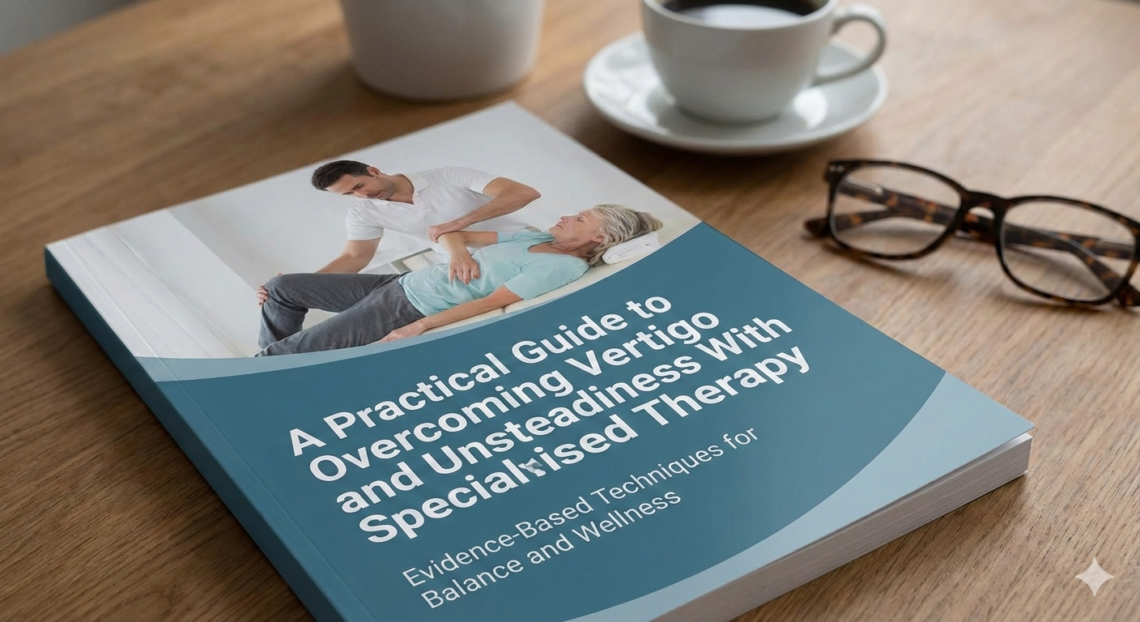
Vertigo and balance problems can strike suddenly and leave you feeling disoriented, anxious, and unsure of your own two feet. One moment you’re walking into the kitchen; the next, the room seems to spin, and you find yourself grabbing the counter just to stay upright. These symptoms can be baffling, frustrating, and incredibly disruptive — especially when they interfere with simple daily activities like walking down the stairs, driving, or even turning your head toward a shelf.
The good news is that you don’t have to navigate this alone. Specialised therapy exists that focuses specifically on helping people overcome dizziness, vertigo, and unsteadiness by retraining the body’s balance system. This practical guide will help you understand what these symptoms mean, how therapy can help, and what you can do to regain stability and confidence in your everyday life.
Understanding Vertigo and Unsteadiness
First, let’s unpack what we mean by vertigo and unsteadiness.
Vertigo is a spinning or swaying sensation — as if you or your surroundings are moving when they’re not. It’s more than just “feeling dizzy.” It’s often rooted in issues with the vestibular system, which is the part of the inner ear and brain that helps control balance and spatial orientation.
Unsteadiness, on the other hand, is when your balance feels off — like the ground is uneven, or you’re unsure where your body is in space. Both symptoms can be caused by vestibular dysfunction, but they can also be influenced by muscle weakness, medication side effects, or even stress.
In everyday terms, imagine the difference between riding in a boat on calm water versus being on a bus that swerves unexpectedly. Vertigo feels like that confusing motion you didn’t ask for, while unsteadiness feels like you’re struggling to find your footing amid irregular movement.
How Specialised Therapy Helps Retrain Your Balance
Specialised balance therapy focuses on targeted exercises and movement strategies to help your body recalibrate its balance. This isn’t just gentle stretching — it’s guided, purposeful movement that teaches the brain how to interpret signals from your eyes, inner ears, and muscles more accurately.
Here’s how it helps:
- Desensitisation: Repeated, controlled exposure to movements that trigger dizziness helps reduce sensitivity over time.
- Balance training: Exercises challenge and improve coordination and stability, which helps reduce the feeling of unsteadiness during daily tasks.
- Movement integration: By retraining how the body moves in response to visual and sensory information, people often find improvements in everyday functions, like walking down stairs or turning quickly.
These techniques are very much like how athletes train for complex skills. A baseball player doesn’t just hit balls randomly — they practise specific drills to build muscle memory and coordination. Balance therapy works in the same targeted, intentional way.
Everyday Benefits You Might Not Expect
You might think therapy for vertigo is only about reducing dizziness. While that’s a major outcome, the benefits extend beyond everyday life.
Improved confidence: When you’re not constantly worried about sudden spinning or wobbly knees, you can focus more on the task at hand — whether that’s participating in a work meeting, walking the dog, or playing with your grandchildren.
Better mobility: As balance improves through therapy, many people notice they can move more freely and with less fear of falling. This is especially valuable for older adults or people returning from injury.
Reduced anxiety: Dizziness can create a cycle of fear and symptom amplification. As therapy helps reduce episodes of vertigo, many people also experience a decrease in anxiety associated with movement.
Enhanced daily performance: Simple actions like getting into bed, looking up to reach a kitchen shelf, or navigating crowds feel more manageable when balance systems are working well.
These kinds of improvements are similar to how occupational training helps people function better in their daily work, or how ergonomic adjustments improve comfort and performance in office settings. It’s about making the body and brain work together more smoothly.
What to Expect From a Tailored Program
A specialised therapy program begins with a thorough assessment. A therapist will ask about your symptoms — when they occur, what activities trigger them, and how they affect your daily routine. They’ll then observe how you move, test your balance, and identify patterns that may contribute to dizziness or instability.
Based on this assessment, a personalised plan is created. It could include:
- Balance and coordination exercises
- Head and eye movement drills
- Gait training (ways of walking more steadily)
- Breathing or relaxation techniques
- Posture and alignment coaching
This tailored approach ensures that therapy addresses your unique balance needs rather than relying on a generic set of exercises that might not address the root of the problem.
Around the halfway point in recovery, many people explore resources such as a link to better understand how structured vestibular therapy supports lasting stability and confidence in movement.
Real-Life Examples of Progress
Hearing how others benefit can make the process less intimidating — and more relatable.
Case 1: A teacher in her 40s began experiencing vertigo when turning her head quickly during class. After several weeks of targeted movement desensitisation and balance retraining, she found her symptoms reduced significantly, and she could teach without fear of sudden dizziness.
Case 2: A retiree who loved gardening noticed increasing unsteadiness when bending or turning. A customised therapy program helped her body relearn balance mechanisms, and she regained the confidence to spend time outside without close supervision.
Case 3: An active runner struggled with balance issues after a minor head injury. Movement integration exercises improved his coordination and reduced lightheadedness during runs, allowing him to return to regular training with fewer interruptions.
In each of these stories, improvement didn’t happen overnight — it came through consistent, guided practice. But the results rippled into everyday life, making routine tasks feel easier and more reliable.
When to Seek Help and What to Watch For
If you’re experiencing:
- Recurrent episodes of spinning or swaying
- A sense of unsteadiness when walking
- Dizziness triggered by head movements.
- Balance changes that interfere with daily activities
…it’s a good idea to consult a healthcare professional with experience in vestibular assessment and therapy.
Symptoms such as sudden, severe vertigo, hearing loss, or vision changes should be evaluated urgently, as they may indicate other health conditions that require immediate attention.
Understanding how balance systems work — including the vestibular system — highlights why targeted therapy is so effective. It’s not just about reducing symptoms; it’s about supporting the entire sensory network that keeps you upright and oriented in your environment.
Bringing It All Together
Overcoming vertigo and unsteadiness doesn’t have to mean resigning yourself to limitations. Specialised therapy offers a path forward — one that focuses on personalised movement, retraining balance systems, and building confidence through progress rather than avoidance.
Whether you’re dealing with mild dizziness or more persistent balance issues, there are structured, evidence-based ways to improve your stability and quality of life.
With the right support, tools, and exercises, moving through everyday life can feel less unpredictable — and more like your own steady, confident self again.
You May Also Like
Why IT Teams Use Email Signature Software for Better Control and Consistency