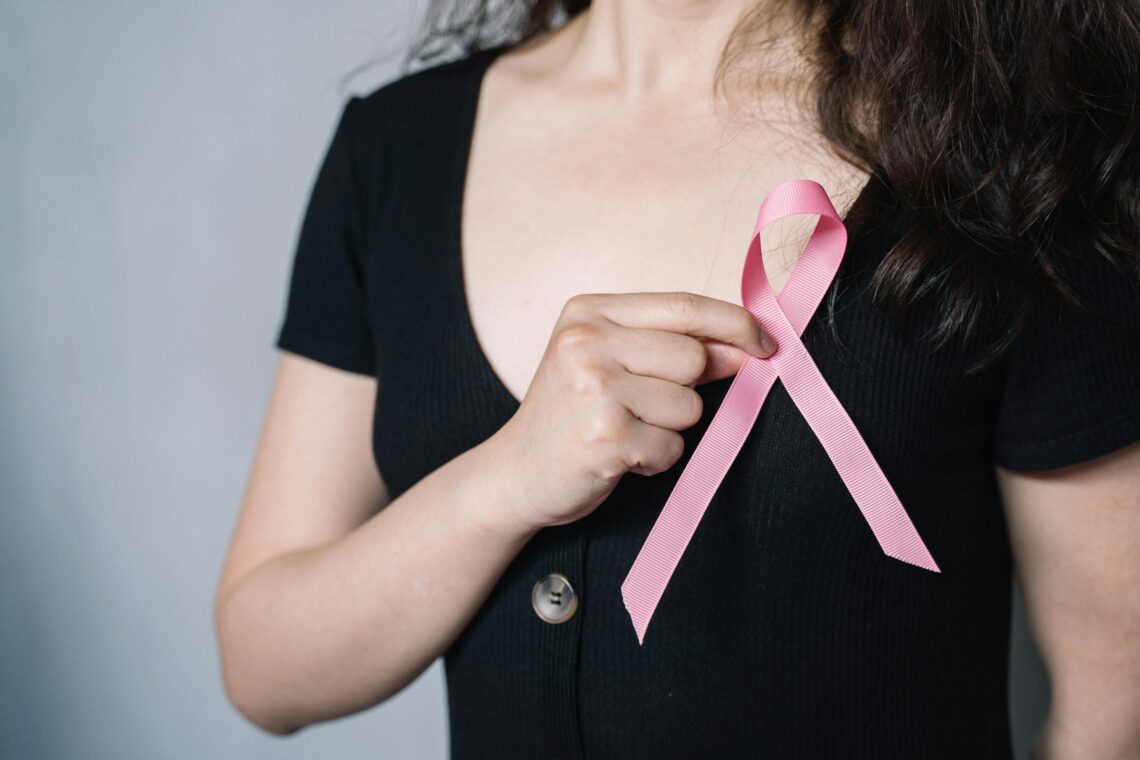
Healing from breast cancer is about much more than simply completing medical treatment. It is a deeply personal journey of reclaiming your body, rebuilding confidence, and rediscovering your sense of self. For many women, this path includes adjusting to physical changes, navigating emotional shifts, and developing a new perspective on long-term health.
The number of women facing this journey continues to grow. According to the NIH, breast cancer cases increased by 1 percent annually between 2012 and 2021. The rise was steeper among women under 50, with cases growing by 1.4 percent each year, compared to a 0.7 percent increase in women 50 and older.
As more women, including younger women, move forward after diagnosis, clear guidance on recovery is more important than ever. Whether exploring reconstructive options or prioritizing mental wellness, no one has to navigate this process alone.
Understand the Physical Recovery Process
Physical recovery after breast cancer treatment takes time and patience. Your body has been through surgery, chemotherapy, radiation, and possibly hormone therapy. Ongoing fatigue, nerve sensitivity, joint pain, and lymphedema are common challenges. Cancer-related fatigue, especially, does not always improve with rest alone. Gentle movement can make a meaningful difference.
According to Everyday Health, once your doctor gives you clearance, you should build up to at least 30 minutes of activity daily. Dr. Shaitelman advises following your surgical team’s guidelines first, then gradually adding aerobic and strength training exercises.
Walking is often the easiest place to begin. As confidence grows, other options may include jogging, cycling, dancing, swimming, modified yoga, tai chi, Pilates, or light weight training under professional guidance.
Good nutrition also supports healing. A balanced diet rich in lean proteins, fruits, and vegetables helps repair tissues and strengthen immunity during recovery.
Reclaim Your Body and Explore Reconstruction Options
After a mastectomy, breast reconstruction is one option many survivors consider as part of their healing journey. The decision is deeply personal. For some, reconstruction restores confidence and a sense of wholeness, while for others, choosing not to reconstruct feels just as empowering. The key is making an informed choice that supports your health, comfort, and long-term well-being.
Reconstruction may involve implants, flap procedures using your own tissue, or a combination of both. In some implant-based surgeries, internal bra mesh is used to provide additional structural support.
However, concerns about this practice have surfaced in recent years. According to TorHoerman Law, some individuals who received mesh implants experienced painful and unexpected complications months or even years after surgery. Reports describe issues that disrupt healing, alter breast shape, or affect daily movement and comfort.
These concerns have contributed to a rise in internal bra mesh lawsuit filings. If you notice persistent pain, swelling, or unusual changes, consult your surgeon promptly and consider seeking both medical and legal guidance.
Rebuild Your Emotional and Mental Health
The emotional impact of breast cancer often lingers long after treatment ends. Many survivors experience anxiety about recurrence, grief over physical changes, or a shaken sense of identity. These reactions are not signs of weakness. They are natural responses to a life-altering experience.
Therapies such as cognitive behavioral therapy (CBT) and acceptance and commitment therapy (ACT) have shown strong results in helping survivors manage fear and depression. Survivorship programs and peer support groups can also provide comfort and understanding.
Emerging technology is also expanding access to care. According to News-Medical, AI can help spot distress early and connect women to the support they need. Researchers envision AI tools that monitor emotional patterns, alert providers to signs of depression, and offer immediate coping strategies through advanced chatbots.
While not a replacement for clinicians, these tools can extend support between appointments and improve access to ongoing mental health care.
Reclaim Your Identity and Purpose
Survivorship is about much more than just getting through treatment. Many women find that after breast cancer, their perspective shifts, leading to a deeper appreciation for relationships and a desire to chase long-held dreams.
Reclaiming your identity starts with small, intentional steps. This might mean returning to a favorite hobby, setting a new personal goal, or simply allowing yourself to feel joy again without any guilt.
Body image concerns are common, particularly after a mastectomy or reconstruction. Working with a therapist who specializes in body image can be deeply transformative as you learn to accept and reconnect with your changing body.
Your sexual health is also a vital part of your wellbeing that deserves an honest conversation with your medical team. Hormonal changes and surgical outcomes are real challenges, not things to ignore. Give yourself full permission to redefine what a happy, fulfilling life looks like on your own unique timeline.
Build a Long-Term Survivorship Plan
Recovery doesn’t end at a single appointment. A long-term survivorship plan, created with your oncologist, is essential for monitoring your health and managing side effects. This plan includes regular mammograms, blood work, and specialist check-ins to provide a clear path forward.
Promising new research is reshaping how we approach this stage of recovery. A study from the University of Pennsylvania shows that targeting dormant tumor cells lingering in the bone marrow can help keep patients cancer-free. Instead of just waiting and monitoring for a relapse, this approach uses drugs to attack the root causes of recurrence before they start.
By combining these medical advancements with proactive care and support from patient advocates, you can move forward with more confidence in your long-term health.
Read More: How Spinal Health Affects Overall Well-Being
Frequently Asked Questions
How long does it take to fully recover after breast cancer treatment?
Recovery timelines vary widely depending on the type and extent of treatment received. Most survivors experience significant physical improvement within one to two years, though emotional recovery often takes longer. Working closely with your medical team and accessing survivorship support programs can meaningfully accelerate and sustain your overall healing process.
What are the signs that internal bra mesh may be causing complications?
Watch for unexplained chronic pain, persistent swelling, signs of infection, or unusual firmness around the surgical site. If any of these symptoms appear following a procedure involving internal mesh, consult your surgeon immediately. A second opinion from a reconstruction specialist and legal consultation may also be appropriate, depending on your situation.
Is it normal to feel anxious or depressed after finishing breast cancer treatment?
Yes, absolutely. Many survivors experience heightened anxiety, grief, or depression after treatment ends, sometimes called “post-treatment shock.” The structure of active treatment disappears, and emotional challenges can intensify. Seeking therapy, joining a support group, and speaking openly with your doctor about your mental health are all important and encouraged steps.
Healing after breast cancer is a multifaceted journey that requires patience, informed decision-making, and self-compassion. Whether you are navigating the physical recovery of surgery, exploring reconstruction options, or utilizing new AI tools for emotional support, your well-being remains the priority.
By staying proactive with a long-term survivorship plan and seeking professional medical or legal guidance when complications arise, you can protect your future health. Remember that reclaiming your identity is not a race. It is a gradual process of rediscovering your strength and redefining what a fulfilling, healthy life looks like on your own terms.