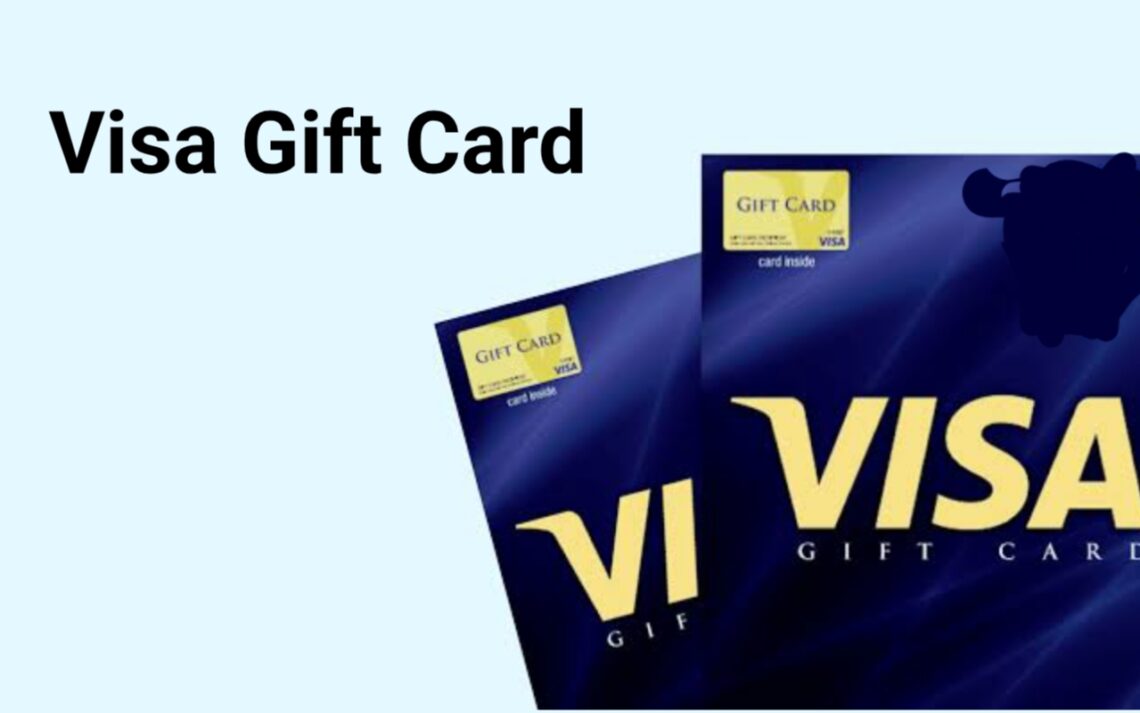
A Visa gift card functions like a prepaid debit card loaded with a specific dollar amount that can be used anywhere Visa is accepted. Unlike store-specific gift cards that lock you into one retailer, these cards work at millions of locations including online stores, restaurants, gas stations, and service providers. They don’t require a bank account or credit check, and they can’t be reloaded once the balance is spent. The simplicity makes them popular for gifts, budgeting tools, or situations where you want payment flexibility without using a credit card or carrying cash.
How the Card Gets Activated and Used
When you buy a Visa gift card, it usually comes in a package that displays the card value. The cashier activates it at purchase by scanning or entering the card number into their system. Until that activation happens, the card is just a piece of plastic with no value. Some cards require you to sign the back or register them online before first use, which adds a layer of security.
Using the card is straightforward. You swipe, insert, or tap it like any other card at the payment terminal. For online purchases, you enter the card number, expiration date, and security code just like a regular credit or debit card. The purchase amount gets deducted from the card’s balance automatically. Most cards let you check the remaining balance online, through a phone number printed on the back, or sometimes through a mobile app.
One thing that trips people up: if your purchase costs more than the card balance, the transaction might decline. Some merchants let you split payments, using the gift card for part and another payment method for the rest. But not all systems support this, so it’s worth checking your balance before shopping.
Where These Cards Actually Work
Visa gift cards work anywhere that accepts Visa debit cards, which is almost everywhere in the U.S. and most international locations. You can use them at physical stores, online retailers, for bill payments, and even at ATMs (though ATM withdrawals usually come with fees that eat into your balance).
International use gets trickier. Some cards work abroad while others are restricted to domestic purchases only. The packaging usually specifies this. If you’re planning to use a gift card while traveling, check whether it has international capability and whether foreign transaction fees apply. Those fees typically run 2 to 3 percent of each purchase.
Gas stations sometimes cause problems. Many put a temporary hold of $50 to $100 on your card before you pump, which can exceed your gift card balance and cause the transaction to decline even if you only wanted $20 in gas. The workaround is to go inside and prepay the specific amount you want.
Fees That Can Eat Into the Card Value
Most Visa gift cards charge an upfront purchase fee, usually $3 to $6 depending on the card value. This is separate from the card’s loaded amount. If you buy a $50 gift card, you might pay $54.95 total. That activation fee doesn’t come out of the card balance, but it does make gift cards slightly less valuable than just giving cash.
Monthly maintenance fees are another issue. Many cards start charging $2 to $3 per month after the card has been inactive for 12 months. If someone sticks a gift card in a drawer and forgets about it for a year, the balance slowly drains through these fees. Some cards don’t charge maintenance fees at all, so reading the terms before buying matters.
Replacement fees apply if you lose the card. Some issuers will replace it for $5 to $10 if you’ve registered the card and can verify your identity. Others don’t offer replacements at all, and if the card is lost or stolen, that money is just gone.
How Registration Adds Protection and Features
Registering a Visa gift card online (usually through a website printed on the card packaging) provides several benefits. If the card gets lost or stolen, you can report it and potentially get the remaining balance transferred to a new card. Without registration, there’s typically no fraud protection at all.
Registration also lets you use the card for online purchases that require a billing address. When you register, you provide a zip code and sometimes a full address that gets associated with the card. Online retailers often verify the billing zip code matches the card, and unregistered gift cards might get declined because they don’t have this information on file.
Some registered cards allow you to set up a PIN, which lets you use the card at merchants who require PIN entry for debit transactions. Without a PIN, you can only use it as a credit transaction (even though it’s not actually a credit card).
Why People Choose These for Gifting
Visa gift cards solve the problem of not knowing what someone wants. Instead of guessing on a specific store or item, you give them flexibility to choose. It feels more thoughtful than cash for many people, even though functionally it’s similar.
They’re also useful for teenagers or young adults who don’t have credit cards yet but need to make online purchases. Parents can give a Visa gift card without worrying about overspending since the amount is capped at whatever’s loaded on the card.
For budgeting purposes, some people load specific amounts onto gift cards for categories like entertainment or dining out. Once the card is empty, they know they’ve hit their budget limit for that category. It’s a physical, tangible way to track spending without apps or spreadsheets.