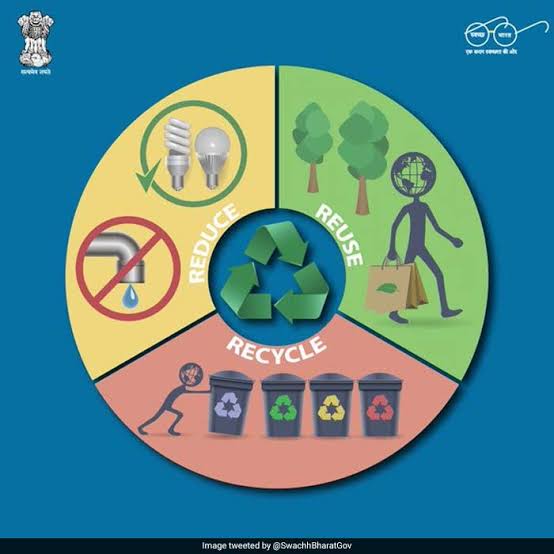
Did you know that the average household generates 4.5 pounds of trash every day? This accumulation of waste can have a massive impact on the environment. Landfills are overflowing, and pollution levels are rising.
Reducing household waste is a practice for a sustainable future. When you make conscious choices, you can contribute to a healthier planet.
The Importance of Waste Reduction
Waste reduction starts at home. Every item we discard impacts our surroundings, from the resources used to create it to the pollution generated during its lifetime.
Prioritize waste reduction for a healthier environment and more savings. Implementing effective strategies can minimize waste. Here are some tried-and-true methods that can help:
- Start composting
- Embrace recycling
- Practice creative reuse
- Mindful purchasing
Responsible Disposal Methods for Unwanted Items
Unwanted items often can’t go in your kerbside bins and require a bit more thought. Determine if the item is still functional. If so, donation is a fantastic option: charities, community groups, and online marketplaces can give your goods a second life.
For broken or end-of-life items, research proper disposal methods in your area. Council clean-up services are a common answer, but they come with strict rules, booking delays, and limited collection volumes.
If you’re dealing with a large volume or need a faster solution, a professional rubbish removal service that prioritises recycling and donation can bridge the gap. When clearing out a garage, services like Aussie Junk help residents in the Inner West quickly remove unwanted items. The goal is to divert as much as possible away from landfills through reuse and recycling channels.
Repair, Repurpose, and the Sharing Economy
Before labelling something as waste, ask if it can be repaired or reimagined. A wobbly chair might just need a new screw, and dated clothing can be dyed or altered. Online tutorials and local repair cafes make it easier than ever to learn basic fixes.
Repurposing also sparks creativity: glass jars become pantry storage, old doors become tabletops, and worn towels get cut into cleaning rags. Tap into the sharing economy. Tool libraries, toy libraries, and neighbourhood share groups allow you to borrow items you rarely use rather than buying them new.
When everyone shares more and buys less, the collective reduction in waste is immense. These habits turn your household into a low-waste system where resources circulate.
Rethink Your Consumption Habits
The most effective way to reduce waste is to stop it before it starts. See what you throw away each week. You might notice a pattern: excessive food packaging, single-use plastics, or impulse purchases that quickly become unwanted items.
Once you identify the culprits, set simple household rules. Buy in bulk using your own containers where possible, choose products with minimal or recyclable packaging, and carry reusable bags, coffee cups, and water bottles.
In the kitchen, meal planning prevents impulse buys that often wilt in the fridge and end up in the bin. When you need something new, apply the “30-day rule” for non-essential purchases: wait a month, and if you still need it, look for a durable, repairable version.
Why Every Household’s Effort Matters
Reducing household waste is a lifestyle choice that benefits us all. When you compost, recycle, and reuse, you contribute to a healthier planet. With so many affordable solutions and resources available, now is the perfect time to take that first step.
Explore local waste services in your area and discover how they can assist you in making sustainable choices. To learn more about similar topics, don’t miss out on our blog posts.