Public health has become more important than ever. From global pandemics to mental health awareness and environmental concerns, the world needs skilled professionals who can respond to complex health challenges. As a result, more people are looking for ways to enter or grow in this field.
At the same time, education itself is changing. Traditional classroom learning is no longer the only option. Many students today want flexibility, especially those who are already working or managing personal responsibilities. This shift has led to the rapid growth of remote learning opportunities.
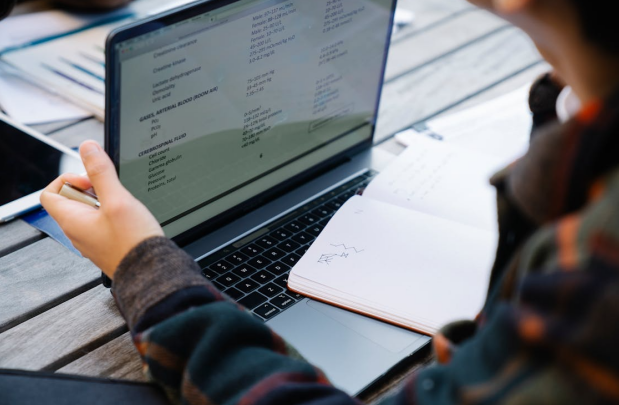
Studying from home is no longer seen as a compromise. In fact, it offers advantages that were not possible before. You can now access high-quality programs, connect with experts, and build real-world skills—all without relocating.
This transformation is especially visible in public health education. Advanced degrees that once required full-time, on-campus attendance are now available in flexible formats. As a result, more people can pursue meaningful careers while balancing their current lives.
The Rise of Flexible Learning Options like online MPH Programs
One of the biggest changes in education is the rise of flexible degree programs. You no longer have to pause your career or move to a new city to earn a graduate degree. Instead, you can study from wherever you are.
This is where programs like an online MPH come in. These programs are designed for people who want to build expertise in public health while maintaining their current responsibilities. You get access to structured coursework, expert instructors, and real-world case studies, all through a digital platform.
What makes these programs appealing is their balance between flexibility and quality. You can attend lectures, complete assignments, and collaborate with classmates on your own schedule, while still meeting academic standards. Many programs are also accredited, which ensures that your degree is recognized and respected.
Another important benefit is accessibility. Students from different backgrounds and locations can now enroll without the barriers of travel or relocation. This creates a more diverse learning environment, where you can gain insights from peers around the world.
Overall, flexible learning options are reshaping how people approach higher education. They make it possible to continue learning without putting your life on hold.
Benefits of Studying Public Health from Home
Studying public health from home offers several practical advantages. One of the biggest is flexibility. You can plan your study time around your job, family, or other commitments. This makes it easier to stay consistent and complete your degree without feeling overwhelmed.
Another major benefit is cost savings. When you study from home, you avoid expenses like commuting, housing, and relocation. This can make higher education more affordable and accessible.
You also gain access to a broader range of resources. Many programs bring in faculty and guest speakers from different parts of the world. This gives you a wider perspective on public health issues and solutions.
Learning from home can also be more comfortable. You can create a study environment that works best for you, whether that means a quiet room or a flexible schedule.
Finally, you have the opportunity to apply what you learn right away. If you are already working in healthcare or a related field, you can connect your coursework to real-life situations. This makes your learning more practical and meaningful.
Technology Transforming Public Health Education
Technology plays a key role in making remote education effective. Today’s online programs use a variety of tools to keep students engaged and connected.
Video lectures allow you to learn at your own pace. You can pause, rewind, and review material whenever needed. Discussion forums and group projects help you interact with classmates and share ideas, even if you are in different time zones.
Some programs also use virtual simulations. These tools let you explore real-world public health scenarios, such as disease outbreaks or policy planning. This kind of hands-on experience helps you build confidence and practical skills.
Data and analytics are also becoming an important part of education. You learn how to interpret data, identify trends, and make informed decisions. These skills are essential in modern public health careers.
Technology also makes collaboration easier. You can work with people from different countries, learn about diverse health systems, and develop a global perspective. This prepares you for the challenges of working in an interconnected world.
Skills Students Gain Through Remote Public Health Programs
When you study public health remotely, you develop a wide range of valuable skills. One of the most important is critical thinking. You learn how to analyze problems, evaluate solutions, and make decisions based on evidence.
You also build strong research and data skills. Public health relies heavily on data, so understanding how to collect, interpret, and present information is essential.
Communication is another key skill. Even in a virtual setting, you need to share ideas clearly and work effectively with others. This includes writing reports, participating in discussions, and presenting your findings.
Leadership skills are also developed. Many programs include group projects and case studies that require you to take initiative and guide your team.
Finally, you become more adaptable. Public health is a constantly changing field, and remote learning teaches you how to adjust to new tools, ideas, and challenges.
Challenges and How Students Overcome Them
While studying from home offers many benefits, it also comes with challenges. One common issue is staying motivated. Without a physical classroom, it can be easy to lose focus.
However, many students overcome this by creating a structured routine. Setting clear goals and deadlines helps you stay on track.
Another challenge is the lack of face-to-face interaction. But online programs often include group discussions, video meetings, and networking opportunities. These tools help you build connections and feel part of a community.
Time management can also be difficult, especially if you are balancing work and family. Planning your schedule and setting priorities can make a big difference.
With the right approach, these challenges can be managed effectively, allowing you to succeed in your studies.
Public health education is evolving to meet the needs of today’s world. Studying from home is no longer a second option—it is a smart and effective way to build your career.
With flexible programs, advanced technology, and global access, you have more opportunities than ever before. You can gain valuable skills, connect with experts, and make a real impact in your community.
As the field continues to grow, choosing a modern approach to education can help you stay ahead. By embracing these new learning options, you are not just investing in your future—you are also contributing to the future of public health.