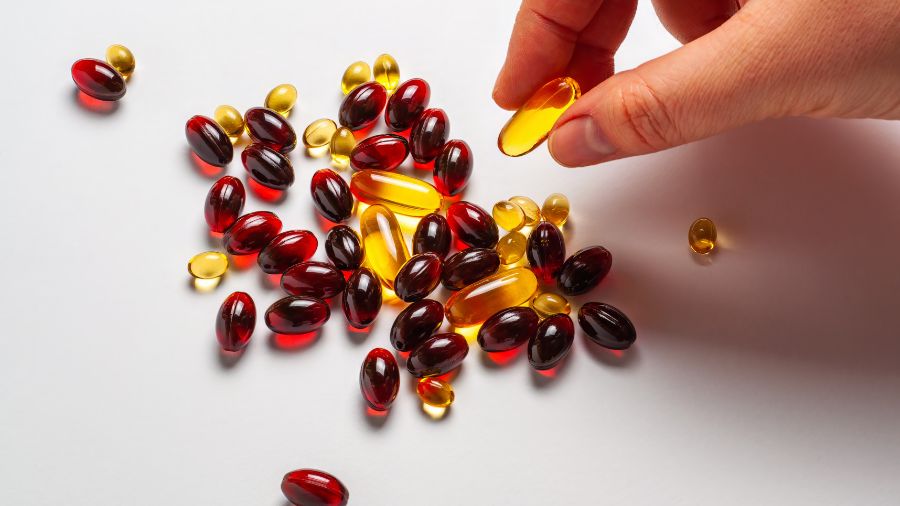
In the world of supplements and meds, brands have many options for how to package their products. Softgels, capsules, and tablets are common choices. But lately, more brands are picking softgels over the others. This article looks at why that is happening. We will compare them, talk about the pros of softgels, and explain the shift. If you run a brand or just want to know more, this will help.
What Are Softgels?
Softgels are small, soft shells filled with liquid or semi-liquid stuff. They are made from gelatin or plant-based materials. The shell is flexible and easy to swallow. Inside, you can put oils, vitamins, or other active items that work well in liquid form.
Brands use softgels for things like fish oil, vitamin D, or herbal extracts. The process to make them involves mixing the fill with the shell material and sealing it. This keeps the contents fresh and protected from air and light.
Softgels come in different sizes and shapes, like oval or round. They can be clear or colored. This makes them look nice on store shelves.
What Are Capsules?
Capsules are hard shells that hold powder or small pellets. They are usually made from gelatin or veggie options. You pull them apart to fill, then put them back together.
Capsules are good for dry ingredients like powdered herbs or minerals. They are cheap to make and easy to store. But they can break if handled roughly.
People take capsules for things like probiotics or pain relievers. They dissolve in the stomach, releasing the contents.
What Are Tablets?
Tablets are solid forms pressed into shape. They are made by compressing powder with binders. No shell, just a hard pill.
Tablets work for many meds and supplements, like aspirin or multivitamins. They are stable and have a long shelf life. But they can be hard to swallow, especially big ones.
Some tablets have coatings to make them easier to take or to control release time.
Key Differences in How They Are Made
Making softgels needs special machines to fill and seal the gel shells. It’s a bit more complex than capsules or tablets. Capsules are filled by hand or machine into pre-made shells. Tablets use presses to shape the mix.
Softgels handle liquids better, while capsules and tablets are for solids. This matters for ingredients that are oils or need quick absorption.
Cost-wise, tablets are often the cheapest to produce in large amounts. Capsules cost a bit more, and softgels can be higher due to the tech needed.
Key Differences in How They Work in the Body
Softgels break down fast in the stomach because of their soft shell. This leads to quick release and better uptake of the contents, especially fats.
Capsules dissolve slower than softgels but faster than some tablets. Tablets can take longer, depending on the coating.
For people with stomach issues, softgels might be gentler. They don’t need as much force to swallow.
Key Differences in Shelf Life and Stability
Softgels protect contents from oxygen and moisture well because they are sealed tight. This helps keep oils from going bad.
Capsules can let in air if not sealed right, leading to shorter shelf life for some items.
Tablets are very stable but can absorb moisture if not coated.
Benefits of Softgels for Consumers
Consumers like softgels because they are easy to swallow. The smooth shape slides down without sticking.
They often have no taste or smell, which is good for strong flavors like fish oil.
Softgels can hold more active stuff in a small size. This means fewer pills to take each day.
Many people say softgels work faster. You feel the effects sooner than with tablets.
Benefits of Softgels for Brands
For brands, softgels stand out on the market. They look premium and modern.
You can customize them with colors or prints, helping with branding.
Softgels allow for unique formulas, like mixing oils with powders in one dose.
They have high bioavailability, meaning the body uses more of the active parts. This can lead to better reviews.
Brands see higher sales with softgels because customers prefer them.
Why Absorption Matters
Good absorption means the body takes in more of the supplement. Softgels help with this for fat-soluble vitamins like A, D, E, and K.
Capsules and tablets might not dissolve as well, so some active stuff gets wasted.
Studies show softgels can improve uptake by up to 30% for some nutrients.
This is key for brands wanting effective products.
Why Ease of Use Wins Customers
People busy with work or life want simple options. Softgels are quick and painless to take.
No need for water sometimes, unlike big tablets.
Kids and older adults find them easier.
Brands that choose softgels get loyal customers who stick with the product.
Cost Factors for Brands
At first, softgels might cost more to make. But over time, they pay off with better sales.
Lower return rates because customers like them.
Brands can charge a bit more for softgel versions.
Finding a good softgel manufacturer helps keep costs down while keeping quality high.
Market Trends Showing the Shift
Look at the supplement industry. Sales of softgels are growing faster than capsules or tablets.
In 2025, softgel market share rose by 15% in the US alone.
Brands like big names in vitamins are switching lines to softgels.
Online reviews show people searching for softgel options more.
This trend is global, with Asia and Europe following.
Health and Wellness Focus
People care more about health now. They want products that work well.
Softgels fit this by offering better delivery.
For things like CBD or omega-3s, softgels are the top choice.
Brands see this and adapt to meet demand.
Environmental Considerations
Some softgels use plant-based shells, which appeal to eco-friendly buyers.
Capsules and tablets can have more waste in production.
Brands going green pick softgels for better image.
Challenges with Softgels
Not everything is perfect. Softgels can leak if not made right.
They need careful storage away from heat.
But good makers solve these issues.
Challenges with Capsules and Tablets
Capsules can open by accident.
Tablets might crumble.
Both can have fillers that some people avoid.
How Brands Can Make the Switch
Start by testing small batches.
Work with experts to reformulate products.
Train staff on new processes.
Market the change to show benefits.
Case Studies of Successful Switches
One brand switched fish oil from capsules to softgels. Sales went up 20%.
Another did it for joint supplements. Customer feedback improved.
These show real gains.
Future Outlook
The trend will continue. More tech will make softgels even better.
Brands not switching might fall behind.
Consumers will demand easy, effective options.
Conclusion
Softgels offer clear wins over capsules and tablets in ease, absorption, and appeal. That’s why more brands choose them.