Wireless charging itself does not damage your battery, but heat and charging habits can accelerate battery aging over time. The real factors affecting battery health are temperature, charging duration, and usage patterns—not the wireless method itself. Whether using a magnetic power bank, a Qi wireless charger, or a multi-port USB C hub, understanding how heat and usage influence battery longevity is key.
Does Wireless Charging Harm Batteries by Design
Wireless charging doesn’t inherently stress the battery more than wired charging.
Wireless Charging vs Wired Charging at a Battery Level
Lithium-ion batteries respond to voltage, current, and temperature. They do not differentiate between power delivered via wire or inductively. The battery chemistry reacts to electrical input and heat, not the delivery method.
Why Wireless Charging Gets a Bad Reputation
Wireless charging often generates slightly more heat, leading some users to perceive that it harms the battery. This correlation is often mistaken for causation.
The Real Factors That Affect Battery Health
Battery aging is influenced by multiple conditions.
Heat Is the Primary Enemy of Lithium Batteries
Sustained high temperatures accelerate degradation. Short-term warmth during charging is largely harmless, but prolonged high heat reduces overall battery lifespan.
High State of Charge Over Long Periods
Keeping devices at 100% for extended periods, such as overnight charging, contributes to aging regardless of whether the charger is wired or wireless.
Why Wireless Charging Can Generate More Heat
Some inefficiencies inherent to wireless power transfer contribute to elevated temperatures.
Energy Loss in Inductive Charging
Inductive charging is not perfectly efficient. Some energy is lost as heat in the transmitter and receiver coils, which increases surface temperature.
Alignment and Case-Related Inefficiencies
Misalignment between coils, thick phone cases, or magnetic attachments (as in magnetic power banks) can reduce energy transfer efficiency and generate additional heat.
Does Faster Wireless Charging Cause More Battery Wear?
Higher wireless power does not automatically damage batteries.
Charging Power vs Thermal Control
High wattage is not inherently harmful. The real issue is uncontrolled heat. Modern devices manage thermal output to prevent damage.
How Phones Limit Wireless Charging Speed Automatically
Smartphones dynamically adjust power output, throttle charging, or pause charging if temperatures rise beyond safe limits, protecting the battery from degradation.
Wireless Charging Over Time: What Real-World Use Looks Like
Usage patterns define the impact on battery health.
Occasional vs Daily Wireless Charging
Occasional wireless charging has minimal effect. Daily prolonged high-temperature charging, however, requires attention to alignment, case choice, and ventilation.
Desk Charging vs Overnight Charging
Charging on a desk throughout the day in a controlled environment generates less heat than continuous overnight charging at maximum power.
Wireless Charging vs Wired Charging: Battery Aging Compared
Wired charging can also stress batteries under certain conditions.
When Wired Charging Can Be Worse
High-wattage wired fast charging combined with device usage can raise temperatures significantly, causing more stress than a well-managed wireless charger.
Why Method Matters Less Than Conditions
Regardless of wireless or wired, the temperature profile and state of charge primarily determine battery aging. Similar conditions produce similar long-term effects.
How to Minimize Battery Wear When Using Wireless Charging
Mitigating battery stress is simple with proper habits.
Reduce Heat During Charging
Ensure proper coil alignment, avoid metal or thick cases, and charge in ventilated areas to minimize heat buildup.
Choose the Right Wireless Charger and Case
Select a Qi wireless charger or magnetic power bank that delivers stable power and avoid overly thick or metallic phone cases that impede efficiency.
Adjust Charging Habits
Avoid leaving devices at 100% for prolonged periods. Use smart charging features to limit top-up time when possible.
When Wireless Charging Is Perfectly Fine
Certain scenarios make wireless charging a convenient, low-risk option.
Overnight Charging
Low-wattage charging overnight exchanges speed for gentle, steady energy replenishment, minimizing heat stress.
Desk and Bedside Use
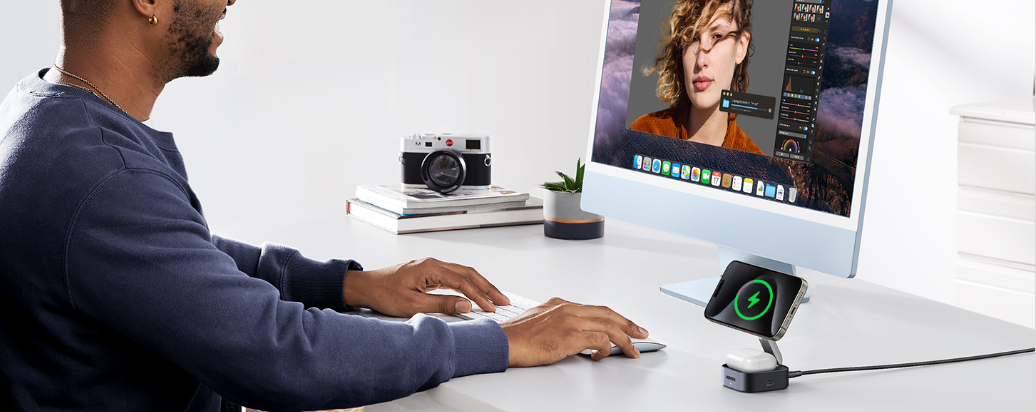
Placing your phone on a wireless pad throughout the day provides small, frequent top-ups with manageable temperatures, particularly with a USB C hub setup for multiple devices.
Final Verdict
Wireless charging does not inherently damage batteries, but repeated exposure to high heat during charging is what accelerates long-term battery degradation. By using quality devices like a magnetic power bank, a Qi wireless charger, and a USB C hub, and by managing alignment, cases, and heat, you can safely integrate wireless charging into daily routines without compromising battery longevity.