You don’t notice a well-run estate. That’s the point. The lights turn on when they should, the air stays cool without noise, the grounds look sharp even after a storm. When something slips—a gate that sticks, a leak that spreads quietly behind a wall—it becomes obvious fast. I’ve seen small issues turn into expensive repairs simply because no one was paying steady attention.
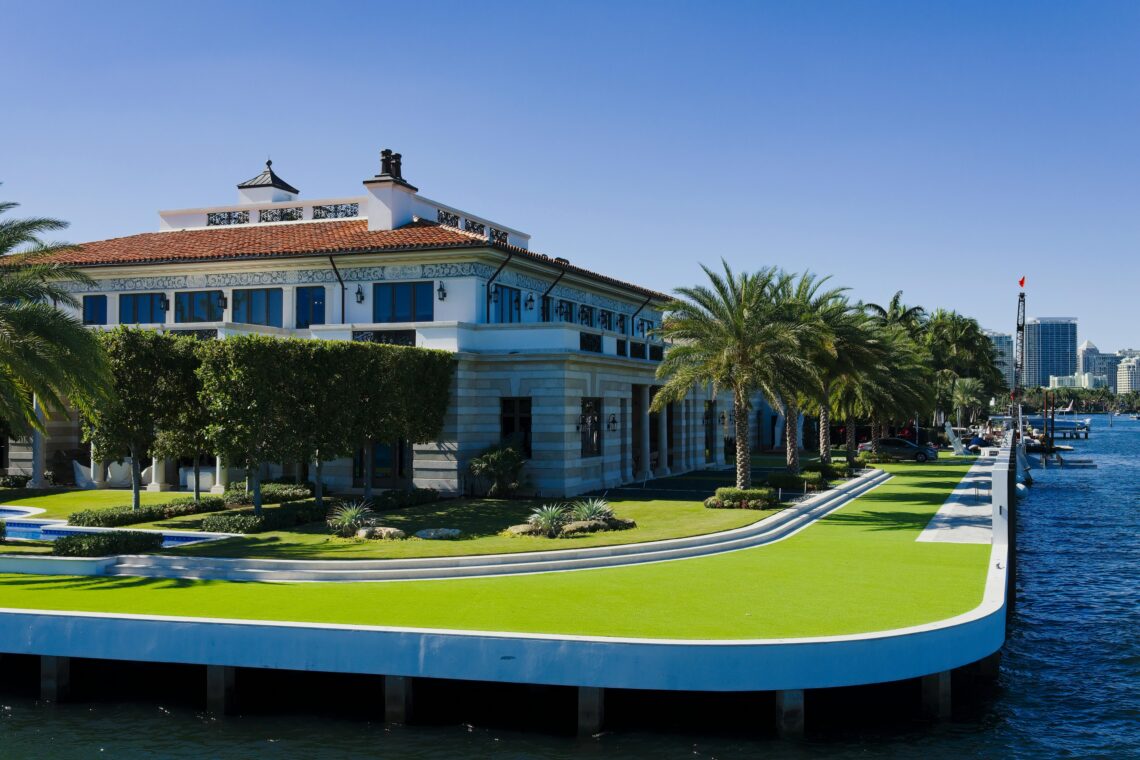
In South Florida, where luxury properties can carry price tags that rival small resorts, that steady attention matters even more. Salt air, humidity, heavy rains, and long periods of vacancy can work against even the most well-built homes. When high-value estates are not maintained properly, costs multiply quickly. Finishes deteriorate. Systems fail. And what should have been routine upkeep becomes a major restoration.
The Structure Behind Property Management
Large estates are complex machines. Beneath the polished floors and landscaped grounds, there are layers of systems working at once, including electrical panels, climate control, water filtration, security networks, irrigation controls. Each part depends on the others. When one is neglected, strain spreads quietly.
Ongoing oversight is not about reacting to breakdowns. It’s about preventing them. Scheduled inspections, vendor coordination, and documentation of maintenance history create a pattern of care. Without that pattern, tasks are handled inconsistently. One contractor may adjust a setting without noting it. Another may replace parts without updating records. Over time, confusion grows.
This is where luxury home property management in South Florida becomes less of a luxury and more of a structured approach to oversight. Property management service providers like Island Home & Estate Management typically focus on system checks, emergency response coordination, and vendor management to ensure the properties are maintained in their best shape. The goal isn’t display. It’s reliability.
Preventive Maintenance, Not Crisis Response
Many homeowners wait for something to fail before calling for service. In standard homes, that may be manageable. In estates with custom finishes and integrated systems, failure can ripple outward.
Take climate control. High-end homes often rely on advanced HVAC setups designed to regulate humidity as well as temperature. If filters are not replaced on schedule or drainage lines clog, moisture can build inside walls. By the time staining appears, damage has already spread.
Routine checks cost far less than restoration. Preventive maintenance programs schedule inspections for roofing, plumbing, electrical systems, and exterior features before visible signs appear. It’s steady, sometimes unremarkable work. But it keeps the estate stable.
Vendor Coordination and Accountability
Luxury estates rely on specialists. Landscapers, pool technicians, electricians, security providers, cleaning crews. Each performs a piece of the larger operation.
Without coordination, overlaps and gaps develop. A landscaping crew may trim around outdoor lighting without noticing a wiring issue. A pool technician may adjust chemical levels but not report early signs of equipment wear. When there is no central oversight, responsibility becomes blurred.
Effective estate management creates clear lines of communication. Work orders are documented. Vendors are vetted and scheduled with intention. Accountability is established. It may sound procedural, and it is. But procedure prevents missteps.
Protecting High-End Materials
Luxury estates often feature materials that require specific care. Natural stone surfaces can stain if cleaned improperly. Hardwood floors may react to humidity swings. Imported fixtures may require specialty parts.
Improper maintenance doesn’t always show immediately. It can take months for damage to surface. By then, replacement costs are significant.
Care protocols need to match materials. That means using the right cleaning agents, monitoring environmental conditions, and ensuring that maintenance teams understand the value of what they are handling. It’s detailed work. And it’s easy to overlook when turnover among staff is high.
Security Beyond Cameras
Security systems in large estates are often extensive. Cameras, controlled access gates, motion sensors, alarm networks. Yet technology alone does not guarantee protection.
Systems must be tested regularly. Software updates must be applied. Access codes need to be managed carefully, especially when staff changes occur. An outdated system is only partially effective.
Physical security also includes perimeter checks and lighting inspections. Overgrown landscaping can create blind spots. Burned-out bulbs reduce visibility. Small adjustments maintain deterrence.
Managing Seasonal Occupancy
Many high-end estates are not occupied year-round. Seasonal ownership introduces unique challenges. When a home sits vacant for months, small leaks can go unnoticed. Pest issues can escalate. Storm damage may linger until the owner returns.
Property checks during absence reduce risk. Walkthroughs verify system function. Utilities are monitored. Storm preparation is handled in advance, and post-storm assessments are completed promptly.
Vacant properties deteriorate faster than lived-in ones. Movement and routine use often reveal issues early. Without that presence, oversight must be intentional.
Financial Oversight and Documentation
Estate management is not only physical. Financial tracking plays a role. Maintenance budgets, vendor invoices, insurance documentation—all require organization.
When records are scattered, patterns are missed. A system that needs frequent repairs may signal a deeper issue. Repeated service calls without review create unnecessary expense. Clear documentation allows homeowners to see trends. It supports insurance claims if damage occurs. It also helps maintain property value when future buyers request maintenance history.
Communication with Owners
High-value estate owners often travel frequently or manage multiple properties. Regular updates are essential. That doesn’t mean overwhelming reports. It means concise summaries of completed tasks, upcoming needs, and potential concerns.
Transparency builds trust. If an issue arises, early communication prevents surprise costs. Even minor developments, when reported consistently, reinforce stability. Owners may not want daily detail. But they want assurance that someone is paying attention.
The Cost of Neglect
Neglect rarely announces itself loudly. It creeps. A minor roof issue becomes interior water damage. A malfunctioning irrigation system weakens landscaping. Electrical strain shortens the lifespan of appliances.
Repairs at that stage are more invasive. They interrupt routines. They draw attention to problems that could have been avoided. Luxury estates represent significant financial investment. Protecting that investment requires steady oversight, not occasional attention. Maintenance should feel routine, almost boring. That’s a sign it’s working.
Quiet Systems, Consistent Results
What keeps a luxury estate running smoothly is not one dramatic solution. It’s repetition. Scheduled inspections. Clear vendor communication. Detailed records. Thoughtful preparation before storms or extended absences.
The outcome is subtle. Doors close without sticking. Air circulates evenly. Grounds remain balanced. Security systems function without fuss. When managed properly, the estate feels effortless. But that ease is constructed. It comes from structure, documentation, and proactive care. Without those elements, even the most impressive property begins to show strain.