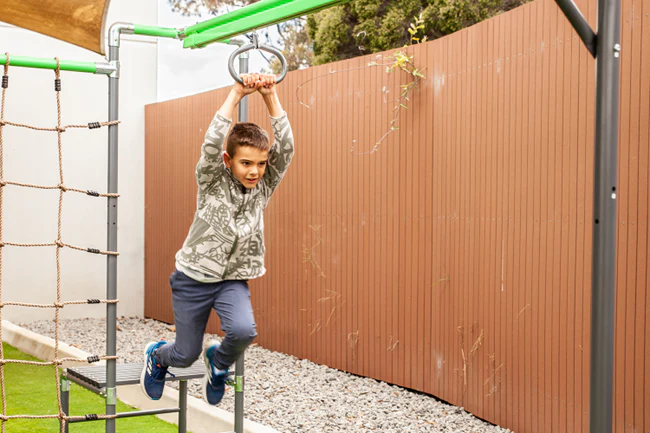
Installing flying fox playground equipment has become increasingly common in Australian parks, schools, and recreational facilities as evidence mounts regarding its developmental benefits for children. Studies from the University of Sydney’s Active Living Research program show that playgrounds featuring zipline-style equipment see 47% higher usage rates compared to those with only static climbing structures. The combination of speed, height, and user control creates an experience that appeals across age groups while delivering measurable improvements in upper body strength, grip endurance, and spatial awareness. Beyond physical benefits, flying fox equipment encourages risk assessment, turn-taking behavior, and confidence building in ways that more controlled play structures cannot replicate. Understanding these impacts helps explain why councils and schools prioritize this equipment despite higher installation costs.
Physical Development Through Dynamic Movement
Flying fox equipment demands continuous engagement of multiple muscle groups simultaneously. Kids need to grip the handle, support their body weight, and maintain core stability while moving through space at varying speeds.
Research published in the Journal of Physical Activity and Health tracked 200 children over six months and found those with regular access to flying fox equipment showed 23% improvement in grip strength and 18% better core stability compared to control groups using traditional playground equipment.
The movement pattern differs significantly from climbing or swinging. Instead of repetitive motions, users experience variable resistance and changing momentum throughout the ride. This creates proprioceptive feedback that helps develop better body awareness and coordination.
Upper body strength develops naturally through repeated use without the structured repetition of traditional exercise. Kids don’t think of it as strength training but rather as fun, which means they’re more likely to use the equipment repeatedly across multiple visits.
Risk Assessment and Decision Making
Here’s what I find interesting about flying fox equipment compared to other playground features. Kids have to make real-time decisions about when to launch, how tightly to grip, and when to prepare for landing. These aren’t automatic processes but rather conscious choices that improve with practice.
This kind of calculated risk-taking appears to support cognitive development in meaningful ways. A 2023 study from Deakin University examined risk assessment behaviors in children and found those with regular access to dynamic equipment like flying foxes demonstrated better hazard recognition and decision-making skills in novel situations.
The equipment provides natural consequences for poor decisions without serious injury risk when properly designed. If you don’t grip firmly enough, you might slip off at the start. If you don’t lift your legs, you might drag your feet. These immediate feedback loops teach cause and effect more effectively than adult instruction alone.
Social Interaction and Queue Management
Flying fox equipment naturally creates situations requiring social negotiation. There’s typically only one rider at a time, so children must develop turn-taking skills and patience while waiting.
I’ve watched kids at playgrounds organize themselves into informal queue systems, establish rules about how long each turn should last, and resolve disputes about cutting in line. These social skills develop organically through repeated interactions rather than through adult-imposed structure.
Playground observation studies note that flying fox areas generate more verbal communication between children than most other equipment types. Kids discuss strategy, offer encouragement, and share tips about technique. This creates social learning opportunities alongside physical development.
Sensory Experience and Thrill Seeking
The sensory input from flying fox equipment differs substantially from other playground features. Users experience wind resistance, changing visual perspectives, and vestibular stimulation from rapid movement through space.
Occupational therapy research indicates this type of vestibular input supports sensory integration and can be particularly beneficial for children who seek intense sensory experiences. The equipment provides a controlled outlet for thrill-seeking behavior within a safe environment.
Speed perception studies show children experience flying fox rides as significantly faster than their actual velocity due to proximity to the ground and rapid visual changes. This perception creates the excitement and challenge kids seek while maintaining reasonable safety parameters.
Inclusivity Across Age and Ability
Well-designed flying fox equipment can accommodate a wider age range than many playground features. Younger children can use it with assistance, while older kids find it challenging enough to remain engaging.
Some modern designs incorporate accessibility features allowing children with mobility limitations to participate. Seated flying fox variants and transfer platforms make the equipment usable for kids who cannot grip traditional handles or support their full body weight.