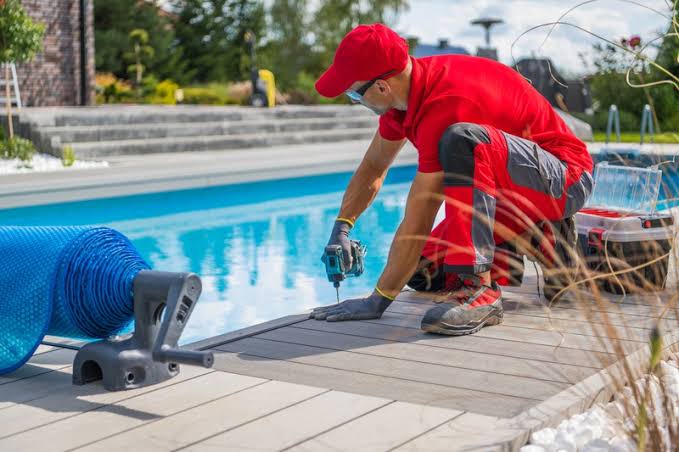
Pool ownership brings a responsibility that extends beyond the summer months, even in climates where swimming season seems short-lived. Water chemistry doesn’t pause when temperatures drop, and neglecting off-season care creates problems that cost far more than preventative maintenance. Learning to maintain with swimming pool water treatment throughout every season prevents algae blooms, equipment damage, and costly repairs that stem from chemical imbalances or frozen pipes. According to the Association of Pool and Spa Professionals, proper year-round maintenance extends pool lifespan by 40% compared to seasonal-only care. The key lies in understanding how water chemistry shifts with temperature changes and adjusting your approach accordingly.
Establishing a consistent testing schedule
Water testing isn’t something you do when the pool looks weird. By then, you’re fixing problems instead of preventing them. I test my pool twice weekly during swim season and weekly during winter months. Takes maybe five minutes with a decent test kit.
You’re checking pH, chlorine levels, alkalinity, calcium hardness, and cyanuric acid. Digital testers give more accurate readings than paper strips, though they cost $50-100 more upfront. The investment pays off because precise measurements prevent overcorrection, which wastes chemicals and creates new imbalances.
Keep a log. Sounds tedious but patterns emerge that help you predict issues. If pH always drifts up on Thursdays, you know when to add acid before it becomes a problem. I use a simple notebook, nothing fancy.
Adjusting chemical treatments by season
Summer treatment focuses on sanitation because warm water breeds bacteria fast. You’re maintaining 2-4 ppm free chlorine, pH between 7.4-7.6, and alkalinity around 80-120 ppm. Heavy use means more organic material entering the water through sunscreen, sweat, and leaves, so shock treatments happen weekly.
Fall brings different challenges. Leaves decompose quickly in water, consuming chlorine and lowering pH. I increase my chlorine baseline slightly and test more often during leaf drop season. Cooler temperatures slow bacterial growth but don’t stop it.
Winter in mild climates requires less chlorine since metabolism of bacteria and algae slows dramatically below 60°F. In freezing climates, winterization means different chemistry altogether. You’re preventing ice damage rather than maintaining swimmable water. Antifreeze-grade winterizing chemicals protect against freeze damage to pipes and equipment.
Spring reactivation takes planning. Three weeks before you want to swim, start bringing chemistry back to summer levels gradually. Shocking the pool hard after months of dormancy stresses the system and wastes money.
Managing alkalinity and pH drift
Total alkalinity acts as a buffer for pH. When alkalinity sits in the right range (80-120 ppm), pH stays stable. Too low and pH swings wildly with every chemical addition. Too high and pH creeps upward constantly, no matter how much acid you add.
I’ve found that maintaining alkalinity prevents 80% of pH problems. Sodium bicarbonate (baking soda) raises alkalinity cheaply. A 50-pound bag costs $30 and lasts most pools an entire season. Add it in small doses over several days rather than dumping it all at once.
pH naturally drifts upward over time due to carbon dioxide loss and chlorine addition. Muriatic acid corrects this efficiently. The trick is adding small amounts regularly instead of massive corrections monthly. I add a cup or two weekly rather than a gallon monthly. Easier on equipment and more stable chemistry.
Dealing with calcium and hardness issues
Calcium hardness gets ignored until scale appears on tiles or the water feels slippery. Ideal range is 200-400 ppm. Below 200, water becomes aggressive and etches plaster or corrodes metal parts. Above 400, you get cloudy water and crusty deposits.
Raising calcium is easy with calcium chloride. Lowering it is much harder. You’re basically diluting with fresh water or using special chemicals that don’t work great. Prevention matters here. If your fill water is naturally hard (over 300 ppm), you’ll fight high calcium forever.
I drain and refill about 25% of my pool volume every two years specifically to control calcium buildup. Costs maybe $100 in water but prevents thousands in tile cleaning and equipment replacement.
Winterization for cold climates
Freezing temperatures require draining water below skimmer level and blowing out plumbing lines. Any water left in pipes expands when frozen and cracks equipment. A $50 shop vacuum works for blowing lines if you don’t want to rent a compressor.
Add winterizing chemicals that prevent algae growth in stagnant water. These are different from regular chlorine because they’re designed to work slowly over months. Pool covers reduce debris and light penetration, which limits algae even further.
Check on the pool monthly even when covered. Heavy snow or ice on covers can cause damage. Remove standing water from cover tops to prevent sagging.